How Will CBD Show Up on a Drug Test? 2025 Update Completely Changed My CBD Routine (Honest Review)
Hey, it’s me again – your friend who’s always exploring the world of CBD and its impact on my life (and my anxiety levels about, well, everything!). Today, I’m tackling a question that’s plagued me since I first started using CBD: “Will CBD Show Up on a Drug Test? 2025 Update”. No sugarcoating, just the facts and my personal experience navigating this tricky situation.
Table of Contents
- Why I Even Started Worrying About “Will CBD Show Up on a Drug Test? 2025 Update”
- The CBD Landscape & Why It Matters
- Types of CBD and Their Potential Drug Test Impact
- My Personal Experience with CBD and Drug Tests
- CBD Isolate
- Broad-Spectrum CBD
- Full-Spectrum CBD
- Tips for Minimizing Your Risk
- The Downsides of Worrying (and How I Combat Them)
- Final Verdict: My Peace of Mind Strategy
- Related Posts You’ll Probably Like
Why I Even Started Worrying About “Will CBD Show Up on a Drug Test? 2025 Update”
Okay, so picture this: I finally found a CBD routine that chills me out without making me feel like a zombie. Work stress? Manageable. Sleep? Actually happening. But then the annual company drug test announcement landed in my inbox. Panic. Started looking at “Will CBD Show Up on a Drug Test? 2025 Update” like it was the bible.
The CBD Landscape & Why It Matters
First, let’s clear something up: CBD itself *shouldn’t* show up on a drug test. Most drug tests screen for THC, the psychoactive compound in cannabis. However, the issue lies in the type of CBD product you’re using.
Types of CBD and Their Potential Drug Test Impact
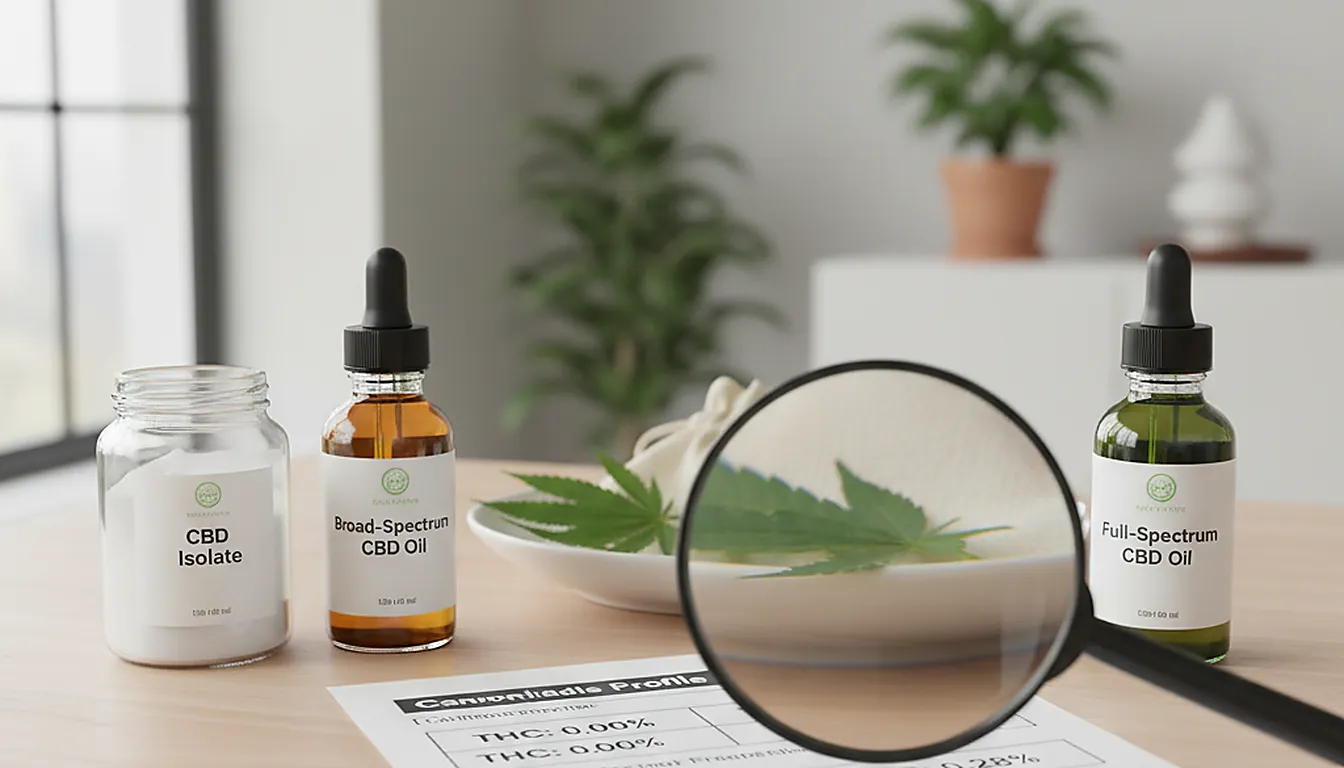
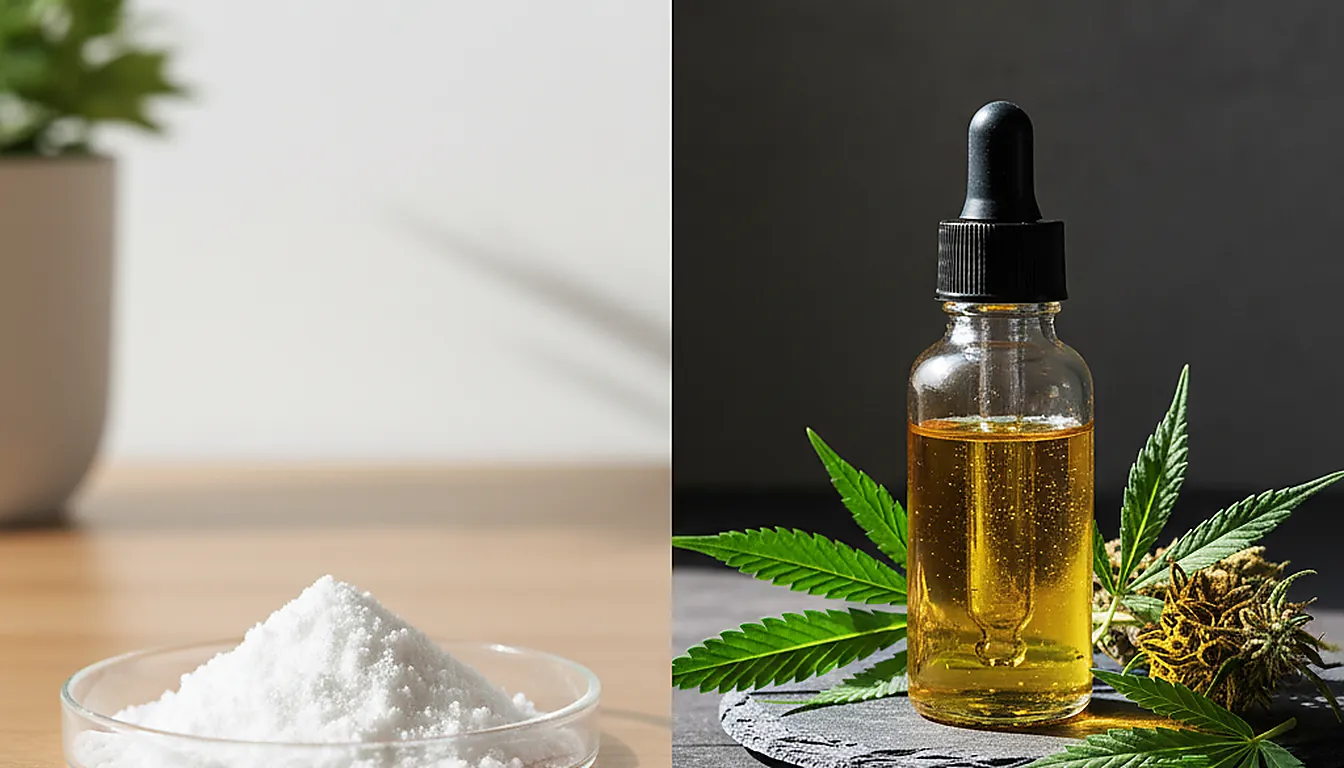
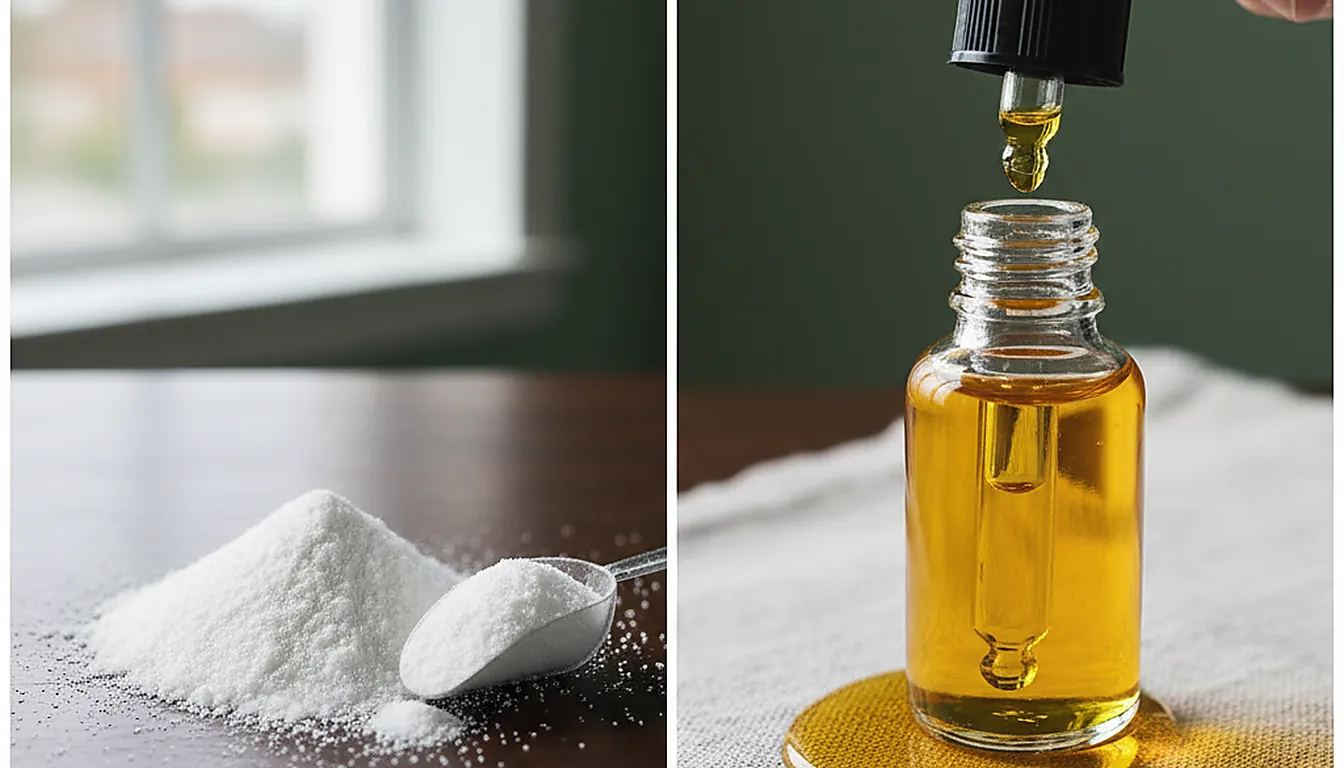
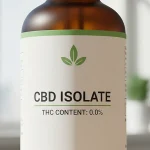
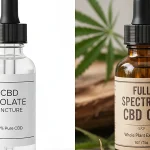
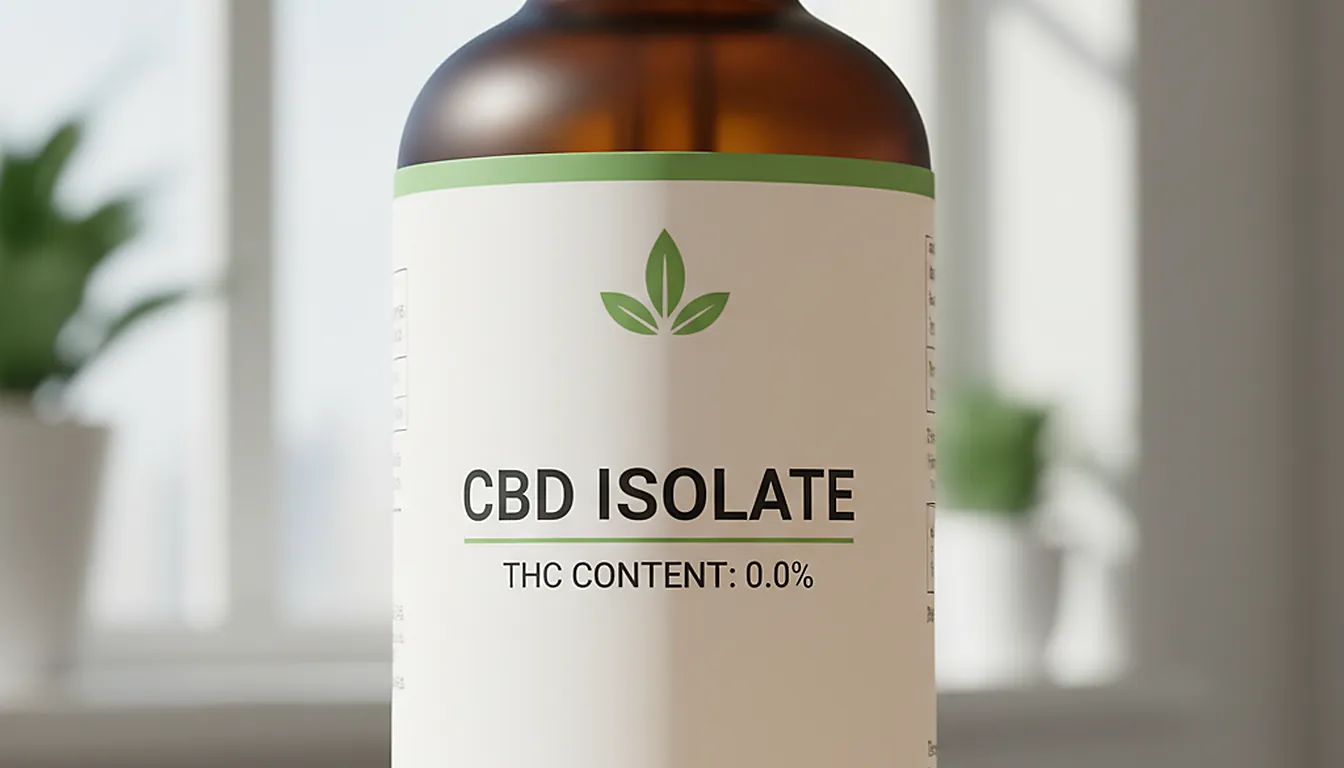
- CBD Isolate: This is the purest form of CBD, containing *only* CBD. If you’re using a reputable CBD isolate product, the risk of failing a drug test is extremely low.
- Broad-Spectrum CBD: This type contains CBD and other cannabinoids and terpenes but *should* be THC-free. However, trace amounts of THC can sometimes be present.
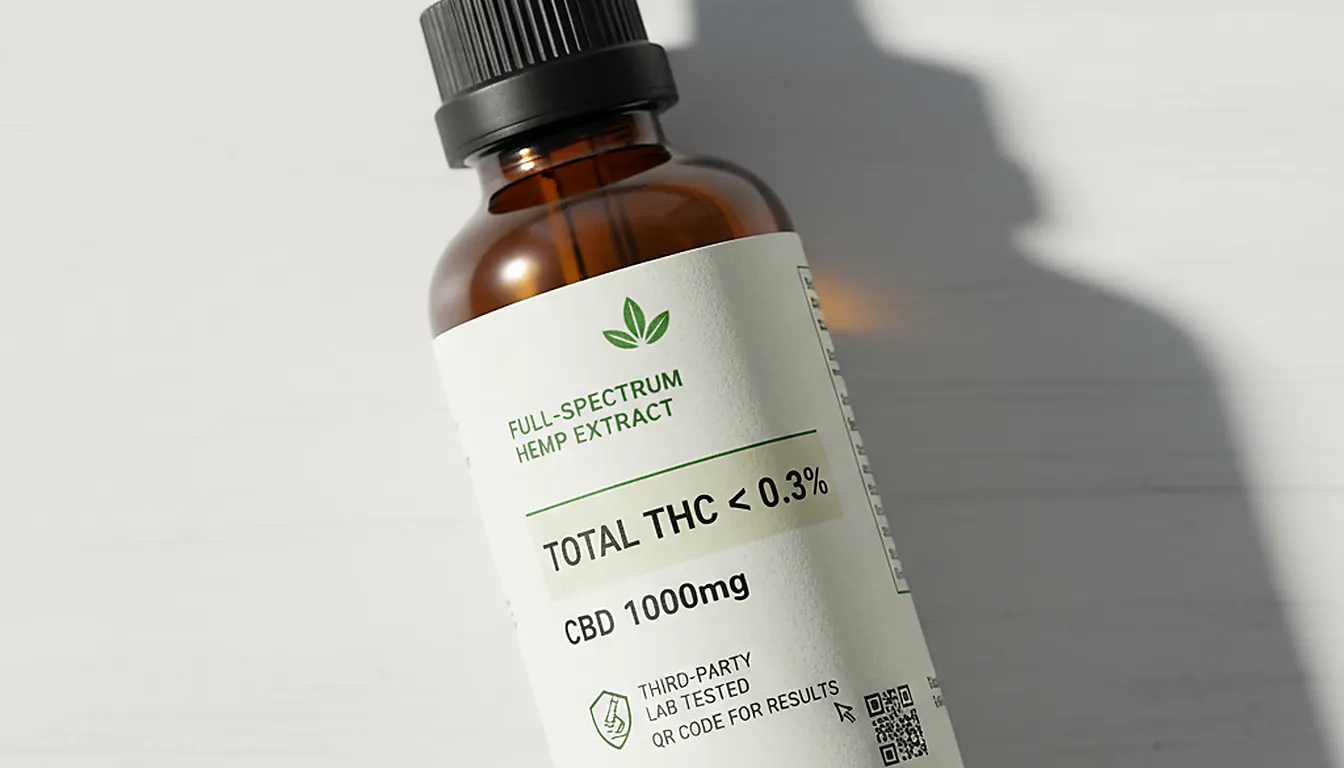
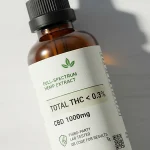
- Full-Spectrum CBD: This contains all the naturally occurring compounds in the cannabis plant, including a small amount of THC (legally, less than 0.3% in the US). This is where the risk comes in.
My Personal Experience with CBD and Drug Tests
I’ve used all three types of CBD at different times. Here’s my breakdown:
CBD Isolate
I felt very safe using CBD isolate. I’ve taken several drug tests while using isolate products and have never had a problem. This is my go-to when testing looms. I personally recommend Lazarus Naturals CBD Isolate Tincture.
Broad-Spectrum CBD
I’ve been a bit more cautious with broad-spectrum, but I haven’t had any issues. I always check the lab reports to make sure the THC content is truly undetectable. I’ve used products from Joy Organics with confidence.
Full-Spectrum CBD
This is where I’ve been the most careful. While the THC percentage is low, it’s still there. I’ve used full-spectrum products from Cornbread Hemp because of their commitment to quality and transparency with lab results, but I always stop a few weeks before any anticipated drug test.
Tips for Minimizing Your Risk
This small shift made a visible difference.
- Choose Reputable Brands: This is crucial. Look for brands that provide third-party lab reports (Certificates of Analysis or COAs) that verify the CBD and THC content.
- Read the Labels Carefully: Make sure you understand what type of CBD you’re using.
- Check the Lab Reports: Don’t just rely on the label. Verify the THC content in the lab reports.
- Consider CBD Isolate: If you’re very concerned about drug tests, stick with CBD isolate products.
- Be Mindful of Dosage: Higher doses of full-spectrum CBD could increase your THC exposure.
- Stop Before a Test: If you’re using full-spectrum CBD, consider stopping a few weeks before a drug test to allow any THC to clear your system.
The Downsides of Worrying (and How I Combat Them)
- Stress: The anxiety surrounding drug tests can negate the calming effects of CBD!
- Limited Choices: Focusing only on CBD isolate can limit your access to the potential benefits of the other cannabinoids and terpenes found in full-spectrum and broad-spectrum products.
To combat these, I focus on education and being proactive. Knowing the facts and taking precautions helps me relax and enjoy the benefits of CBD without constant fear.
FAQ About “Will CBD Show Up on a Drug Test? 2025 Update”
What is the most important thing to look for on a CBD product label when concerned about drug tests?
The type of CBD (isolate, broad-spectrum, or full-spectrum) and the THC content. Always check for third-party lab reports (COAs) to verify the information on the label.
How long before a drug test should I stop taking full-spectrum CBD?
It depends on factors like dosage, frequency of use, and your metabolism. A general guideline is to stop at least 2-3 weeks before the test.
Are there any CBD brands that are guaranteed to be THC-free?
No brand can *guarantee* a 0.00% THC content, but reputable brands selling CBD isolate come very close. Always check lab reports.
Can second-hand exposure to cannabis smoke cause me to fail a drug test?
While possible, it’s extremely unlikely with casual exposure. The levels of THC absorbed through secondhand smoke are usually not high enough to trigger a positive result.
Does the method of consumption (tincture, edible, etc.) affect the likelihood of testing positive?
No, the method of consumption doesn’t directly impact the likelihood. The key factor is the type of CBD (isolate, broad-spectrum, full-spectrum) and the THC content in the product.
Final Verdict: My Peace of Mind Strategy
The “Will CBD Show Up on a Drug Test? 2025 Update” question is definitely something to take seriously. However, with education, careful product selection, and a proactive approach, you can minimize your risk and enjoy the benefits of CBD without constant worry. For me, sticking to CBD isolate when tests are looming, and thoroughly researching brands, is key to a less stressful CBD experience.
What are your experiences with CBD and drug tests? Share your thoughts in the comments below!