How Does Boiling Water Destroy CBD? (Tea Brewing Tips) Completely Changed My Relaxation Routine (Honest Review)
Hey, it’s me again – your friend who’s always on the hunt for a better way to unwind. I’ve been experimenting with different relaxation techniques, and recently, I’ve been diving deep into the world of CBD. Specifically, I was curious: Does boiling water destroy CBD when making tea? That question led me down a rabbit hole of brewing methods, temperature controls, and a whole lot of trial and error. Today, I’m sharing my honest review of how understanding the impact of boiling water on CBD has completely changed my approach to incorporating it into my relaxation routine.
Table of Contents
- Why I Was So Concerned About Boiling Water and CBD
- My Research Process: Temperature is Key!
- The Ideal Temperature Range
- My Experiment: Brewing CBD Tea the Right Way
- Week-by-Week Breakdown – The Real Tea
- Week 1: Subtle Changes
- Week 2-3: Noticable difference
- Week 4+: Routine
- The Downsides (Because They Exist)
- Who This Brewing Method Is Actually For
- Final Verdict: Would I Recommend Brewing CBD Tea This Way?
- Related Posts You’ll Probably Like
Why I Was So Concerned About Boiling Water and CBD
For me, winding down at the end of the day usually involves a warm cup of herbal tea. When I started exploring CBD for its potential calming effects, I naturally wanted to combine the two. But I kept reading conflicting information about whether or not boiling water could degrade the CBD molecules, rendering them ineffective. The thought of wasting precious CBD (and ruining a perfectly good cup of tea) was enough to send me on a research mission!
My Research Process: Temperature is Key!
My initial research confirmed my fears: yes, high temperatures can degrade CBD. CBD, like other cannabinoids, is sensitive to heat. When exposed to temperatures that are too high for too long, it can break down, reducing its potency and potentially altering its effects. This process is called decarboxylation, and while it’s necessary to activate CBD in some contexts (like making edibles), it’s not what you want when you’re trying to preserve the CBD in your tea.
The Ideal Temperature Range
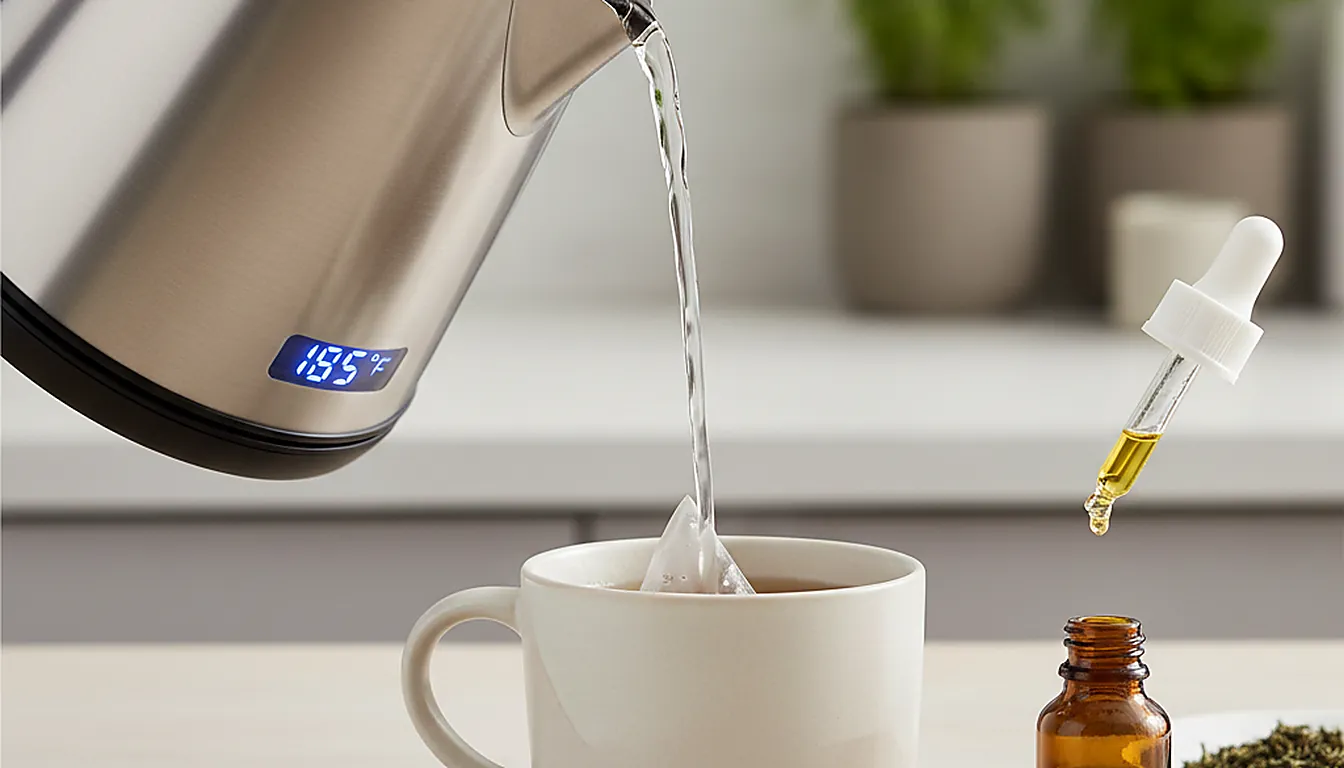
So, what’s the magic number? Most sources recommend keeping the water temperature below boiling (212°F or 100°C) to preserve the integrity of CBD. A temperature range of 160-180°F (71-82°C) seems to be the sweet spot. This allows the CBD to infuse into the tea without significant degradation.
My Experiment: Brewing CBD Tea the Right Way
Armed with this knowledge, I set out to perfect my CBD tea brewing method. Here’s what I did:
- Invested in a Temperature-Controlled Kettle: This was a game-changer! Being able to set the precise water temperature took the guesswork out of the equation.
- Used High-Quality CBD Oil: I opted for a reputable brand with third-party lab testing to ensure I was getting a consistent and reliable dose of CBD. I currently use CBDfx’s Calming Tincture when I need to wind down.
- Brewed My Tea with Slightly Cooled Water: I brought the water to a boil, then let it cool for a few minutes before adding my tea bag and CBD oil.
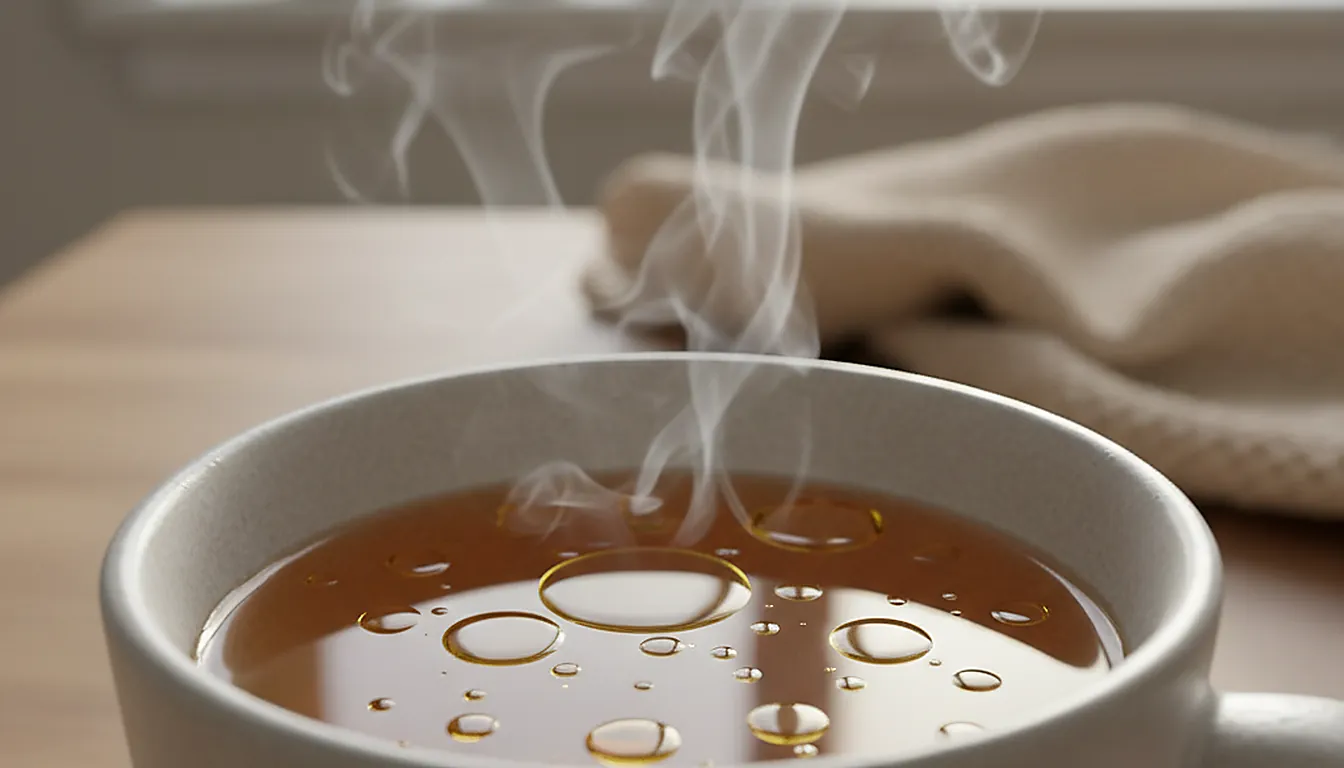
- Added CBD Oil After Brewing: Instead of adding the CBD oil directly to the hot water, I added it to the brewed tea after steeping. This minimized its exposure to high temperatures.
Week-by-Week Breakdown – The Real Tea
Week 1: Subtle Changes
The first week was more about observation. I was meticulously brewing my tea, paying close attention to the temperature. While I didn’t notice any dramatic changes in my relaxation levels, I did feel a sense of calm that I attributed to the ritual itself.
Week 2-3: Noticable difference
I found myself falling asleep easier and waking up feeling more refreshed. The combination of the warm tea and the CBD created a synergistic effect that helped me unwind after a long day.
Week 4+: Routine
Brewing CBD tea has become an essential part of my wind-down routine. I find it effective for managing stress, promoting relaxation, and improving my overall sleep quality.
The Downsides (Because They Exist)
- Requires a bit more effort than simply throwing a tea bag into boiling water.
- Investing in a temperature-controlled kettle can be an added expense.
Who This Brewing Method Is Actually For
This method is perfect if you:
- Are looking for a natural and relaxing way to unwind.
- Want to combine the benefits of CBD with the soothing ritual of tea.
- Are concerned about preserving the potency of your CBD.
Probably skip if you:
- Are looking for an immediate and intense effect from CBD.
- Don’t have the time or patience to follow a specific brewing method.
Back to the flow—this is the practical bit.
FAQ About Brewing CBD Tea
Can I use any type of CBD oil in my tea?
While you can technically use any type of CBD oil, I recommend using a high-quality, full-spectrum or broad-spectrum oil for the best results. These types of oils contain a range of beneficial compounds that can enhance the overall effects of the CBD.
How much CBD oil should I add to my tea?
The ideal dosage of CBD oil will vary depending on your individual needs and tolerance. I recommend starting with a low dose (5-10mg) and gradually increasing it until you find the amount that works best for you. Be sure to check Cornbread Hemp for more information.
Can I use CBD-infused tea bags instead of adding CBD oil?
Yes, CBD-infused tea bags are a convenient option. However, it’s important to choose a reputable brand and ensure that the tea bags contain a sufficient amount of CBD to provide the desired effects. Consider Joy Organics for these products.
Does the type of tea I use affect the absorption of CBD?
While there’s no definitive research on this topic, some believe that certain types of tea, such as those containing fats, may enhance the absorption of CBD. However, more research is needed to confirm this.
What other ingredients can I add to my CBD tea for extra relaxation?
Consider adding ingredients like chamomile, lavender, lemon balm, or passionflower for their calming properties. You can also add a touch of honey or maple syrup for sweetness.
Final Verdict: Would I Recommend Brewing CBD Tea This Way?
Absolutely! Taking the extra steps to control the water temperature and adding the CBD oil after brewing has made a noticeable difference in the effectiveness of my CBD tea. If you’re serious about incorporating CBD into your relaxation routine, I highly recommend giving this method a try. It may seem like a small change, but it can make a big difference in preserving the potency of your CBD and maximizing its benefits.
If you try it, come back and tell me if you felt the same shift – I’m obsessed with hearing your stories.
Related Posts You’ll Probably Like
Frequently Asked Questions
Can I use any type of CBD oil in my tea?
While you can technically use any type of CBD oil, it’s generally recommended to use a high-quality, full-spectrum or broad-spectrum oil for the best results, as these contain a range of beneficial compounds.
How much CBD oil should I add to my tea?
The ideal dosage of CBD oil will vary depending on your individual needs and tolerance. It’s best to start with a low dose (5-10mg) and gradually increase until you find the amount that works best for you.
What water temperature is best to prevent CBD degradation in tea?
Most sources recommend keeping the water temperature below boiling (212°F or 100°C) to preserve the integrity of CBD. A temperature range of 160-180°F (71-82°C) is often suggested.
Can I use CBD-infused tea bags instead of adding CBD oil?
Yes, CBD-infused tea bags are a convenient option. Just be sure to choose a reputable brand and ensure that the tea bags contain a sufficient amount of CBD to provide the desired effects.
Should I add CBD oil before or after brewing my tea?
Adding the CBD oil after brewing minimizes its exposure to high temperatures, helping to preserve its potency.