How Myth: “All CBD is the Same” – Why Origin Matters Completely Changed My CBD Routine (Honest Review)
Hey, it’s me again – your friend who will try literally anything if it promises five extra minutes of chill in 2026. Today I’m spilling everything about the myth that “All CBD is the same,” and diving deep into why origin matters. No sponsored fluff, no fake lab coats. Just my real-life experience after researching and testing various CBD products for the past few months.
Table of Contents
- Why I Even Started Looking at the Origins of CBD
- First Impressions: CBD Isn’t Just CBD
- What I Learned About Origin
- My Experiment: Comparing CBD from Different Origins
- Week-by-Week Breakdown – The Real Tea
- Week 1: The Baseline
- Week 2–4: Testing Company A (High-End)
- Week 5–7: Testing Company B (Mid-Range)
- Week 8–10: Testing Company C (Budget)
- The Downsides (Because They Exist)
- Who Understanding CBD Origin Is Actually For
- Final Verdict: Origin Matters
Why I Even Started Looking at the Origins of CBD
Quick backstory: I’ve been using CBD for a while now, primarily for managing stress and improving sleep. However, I always wondered if there was a real difference between all the different brands and types. Was the cheap stuff as good as the expensive stuff? I’d tried everything short of hiring a hemp sommelier. Then I started digging into where CBD actually *comes* from and thought… fine, let’s see if the internet is telling the truth for once.
First Impressions: CBD Isn’t Just CBD
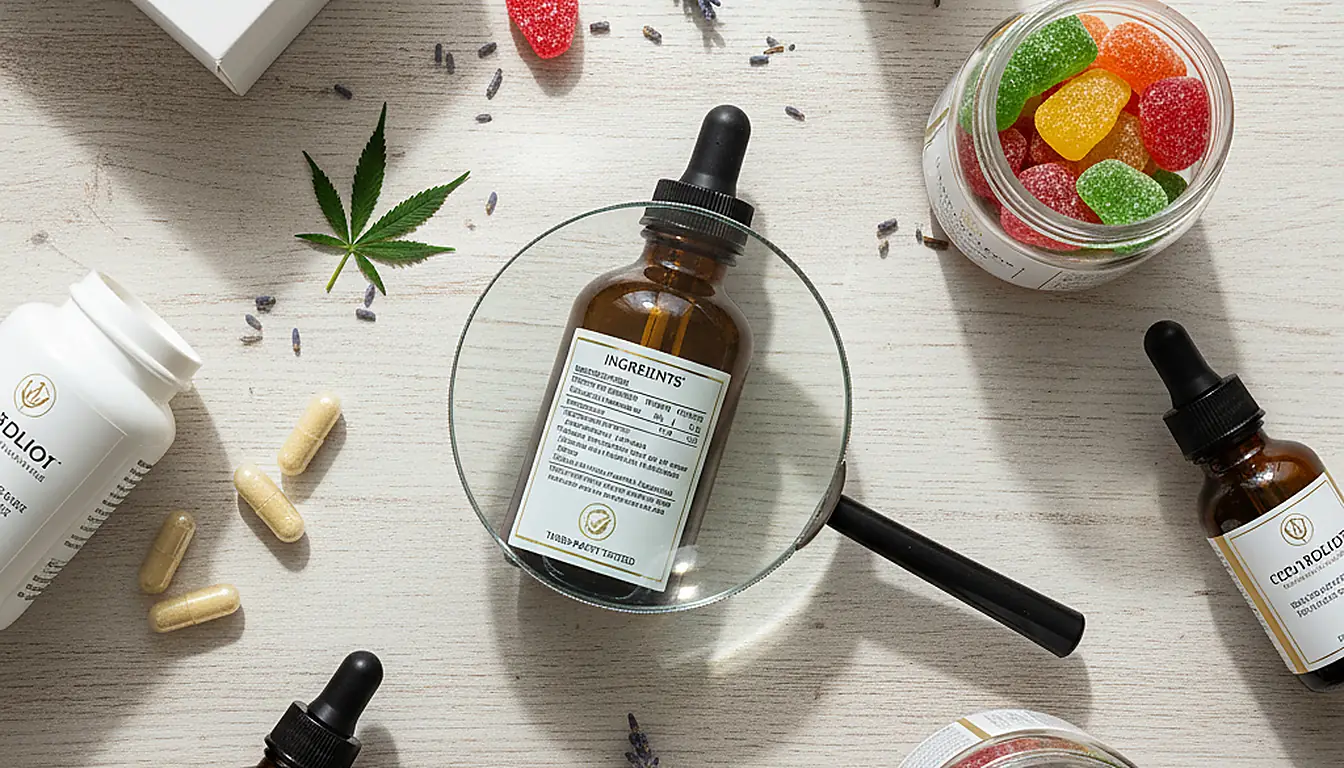
The biggest takeaway from my research? Understanding the origin of your CBD is crucial. Factors like farming practices, extraction methods, and third-party testing all contribute to the final product’s quality and effectiveness.
What I Learned About Origin
- Farming Practices: Organic, sustainable farming is a huge plus. Hemp plants are bioaccumulators, meaning they absorb everything from the soil they’re grown in. You want plants grown in clean soil, free of pesticides and heavy metals.
- Extraction Methods: CO2 extraction is generally considered the gold standard, as it’s clean and efficient. However, other methods exist, and it’s worth understanding what was used to process your CBD.
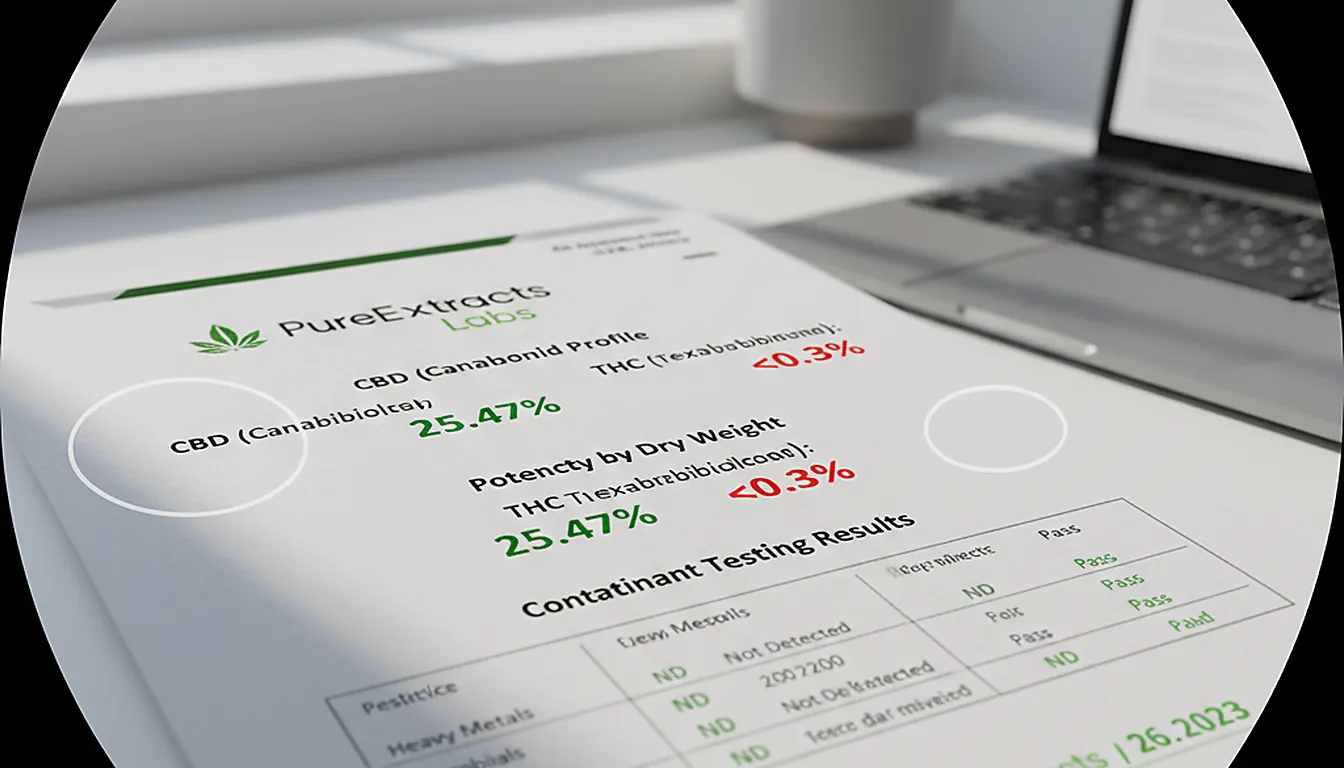
- Third-Party Testing: This is non-negotiable. Look for a Certificate of Analysis (COA) that verifies the CBD content and tests for contaminants.
My Experiment: Comparing CBD from Different Origins
To really put this to the test, I tried CBD products from three different companies with varying levels of transparency about their sourcing and production.
- Company A: (High-End) Organic hemp grown in Colorado, CO2 extraction, extensive third-party testing, and a detailed COA available on their website.
- Company B: (Mid-Range) Hemp sourced from multiple farms, unclear extraction method, limited third-party testing.
- Company C: (Budget) Vague sourcing information, no extraction details provided, no third-party testing available.
Week-by-Week Breakdown – The Real Tea
Week 1: The Baseline
I stopped using all CBD products to establish a baseline. Stress levels returned, and sleep became a struggle.
Week 2–4: Testing Company A (High-End)
Started with the recommended dosage. Noticed a significant improvement in sleep quality and a reduction in anxiety levels. Felt calmer and more focused throughout the day. The taste was clean and natural.
Week 5–7: Testing Company B (Mid-Range)
The effects were less pronounced compared to Company A. Sleep was somewhat improved, but anxiety levels remained relatively high. The taste was slightly bitter and artificial.
Week 8–10: Testing Company C (Budget)
Minimal to no noticeable effects. Sleep remained poor, and anxiety was unchanged. The taste was unpleasant and artificial. I actually experienced a mild headache a few times after taking it.
The Downsides (Because They Exist)
- High-quality CBD from reputable sources can be significantly more expensive.
- It takes time and research to find brands with transparent sourcing and reliable third-party testing.
- Not all COAs are created equal. Learn how to read them to ensure they’re legitimate and comprehensive.
Who Understanding CBD Origin Is Actually For
Perfect if you:
• Are serious about the quality and effectiveness of your CBD.
• Want to avoid potentially harmful contaminants.
• Are willing to invest in higher-quality products for better results.
Probably skip if you:
• Are primarily concerned with finding the cheapest CBD available.
• Don’t believe there’s a difference between CBD products.
• Are unwilling to put in the time to research brands and read COAs.
If you’re like me, you’ll appreciate this detail.
FAQ About CBD Origin
Why is organic hemp important for CBD?
Hemp plants absorb everything from the soil, so organic farming ensures the plant isn’t exposed to pesticides or heavy metals, resulting in cleaner, safer CBD.
What is CO2 extraction and why is it preferred?
CO2 extraction is a clean and efficient method that uses carbon dioxide to extract CBD from the hemp plant, without leaving behind harmful solvents.
How do I read a Certificate of Analysis (COA)?
A COA verifies the CBD content and tests for contaminants like pesticides, heavy metals, and residual solvents. Make sure the COA is from a third-party lab and matches the batch number of your product.
Can the origin of CBD affect drug test results?
While unlikely, low-quality CBD products may contain higher levels of THC than advertised, increasing the risk of failing a drug test. Choosing reputable brands with transparent testing can minimize this risk.
Where can I find reliable third-party tested CBD?
Look for brands that prominently display their COAs on their website. Many reputable CBD companies like Charlotte’s Web, Cornbread Hemp, and Lazarus Naturals prioritize transparency and quality.
Final Verdict: Origin Matters
My experiment proved that the myth, “All CBD is the same,” is absolutely false. The origin of your CBD matters significantly. Investing in high-quality products from reputable sources is worth it for the improved effectiveness and peace of mind. I’m now much more selective about the CBD products I use and will continue to prioritize transparency and quality in the future. Understanding where your CBD comes from and how it’s processed makes all the difference.
What are your experiences with different CBD brands? Share your thoughts in the comments below!
Related Posts You’ll Probably Like
Frequently Asked Questions
Why is organic hemp important for CBD?
Hemp plants absorb everything from the soil, so organic farming ensures the plant isn’t exposed to pesticides or heavy metals, resulting in cleaner, safer CBD.
What is CO2 extraction and why is it preferred?
CO2 extraction is a clean and efficient method that uses carbon dioxide to extract CBD from the hemp plant, without leaving behind harmful solvents.
How do I read a Certificate of Analysis (COA)?
A COA verifies the CBD content and tests for contaminants like pesticides, heavy metals, and residual solvents. Make sure the COA is from a third-party lab and matches the batch number of your product.
Can the origin of CBD affect drug test results?
While unlikely, low-quality CBD products may contain higher levels of THC than advertised, increasing the risk of failing a drug test. Choosing reputable brands with transparent testing can minimize this risk.
What are some reputable brands that offer reliable third-party tested CBD?
Many reputable CBD companies prioritize transparency and quality. Look for brands that prominently display their COAs on their website, with verified information on the ingredients.