
Product Comparison
| Product | Price | Coupon | Learn More |
|---|---|---|---|
 PURE CBD GUMMIES PURE CBD GUMMIES |
34.99 | TIONS | Shop Now |
 CBD SLEEP GUMMIES CBD SLEEP GUMMIES |
34.99 | TIONS | Shop Now |
| CBD ENERGY GUMMIES |
34.99 | TIONS | Shop Now |
CBD ENERGY GUMMIES
- Brand: CBD For Life
- Price: 34.99
- Coupon: TIONS
CBD SLEEP GUMMIES
- Brand: CBD For Life
- Price: 34.99
- Coupon: TIONS
PURE CBD GUMMIES
- Brand: CBD For Life
- Price: 34.99
- Coupon: TIONS
How The Dark Side of the CBD Industry: Lead and Pesticides Completely Changed My cbd Routine (Honest Review)
Hey, it’s me again – your friend who dives deep into the not-so-glamorous side of wellness. Today I’m tackling The Dark Side of the CBD Industry: Lead and Pesticides. No sponsored fluff, just hard truths and how to navigate them. I’ve spent weeks researching this, so you don’t have to.
Table of Contents
- Product Comparison
- CBD ENERGY GUMMIES
- CBD SLEEP GUMMIES
- PURE CBD GUMMIES
- Why I Even Started Looking at The Dark Side of the CBD Industry: Lead and Pesticides
- The Ugly Truth: What’s Actually In Some CBD Products
- Lead: The Silent Threat
- Pesticides: A Chemical Cocktail
- How to Protect Yourself: My Action Plan
- 1. Demand Third-Party Lab Reports
- 2. Learn to Read Lab Reports (It’s Easier Than You Think!)
- 3. Choose Organic and US-Grown Hemp
Why I Even Started Looking at The Dark Side of the CBD Industry: Lead and Pesticides
Quick backstory: I’m a huge CBD advocate. But recently, I started seeing whispers about potential contamination. Lead? Pesticides? In something I’m putting in my body daily? That’s a hard no. I needed to know if the internet was lying, exaggerating, or if I was potentially poisoning myself.
The Ugly Truth: What’s Actually In Some CBD Products
Here’s the deal. Hemp, like any plant, can absorb heavy metals and pesticides from the soil it’s grown in. If not properly tested and regulated, these contaminants can end up in your CBD product. It’s not *every* product, but it’s prevalent enough to warrant serious concern.
Lead: The Silent Threat
Lead is a neurotoxin. Even small amounts can cause health problems over time. Sadly, some studies have found detectable levels of lead in certain CBD products. The source? Contaminated soil, poor manufacturing processes, or both.
Pesticides: A Chemical Cocktail
Hemp is susceptible to pests. Some growers use pesticides, and if those pesticides aren’t removed during extraction, they’ll end up in the final product. These chemicals can have a range of negative health effects.
How to Protect Yourself: My Action Plan
Okay, so now you’re probably freaked out. Good. Now let’s do something about it. Here’s my approach to ensuring I’m using safe, clean CBD:
1. Demand Third-Party Lab Reports
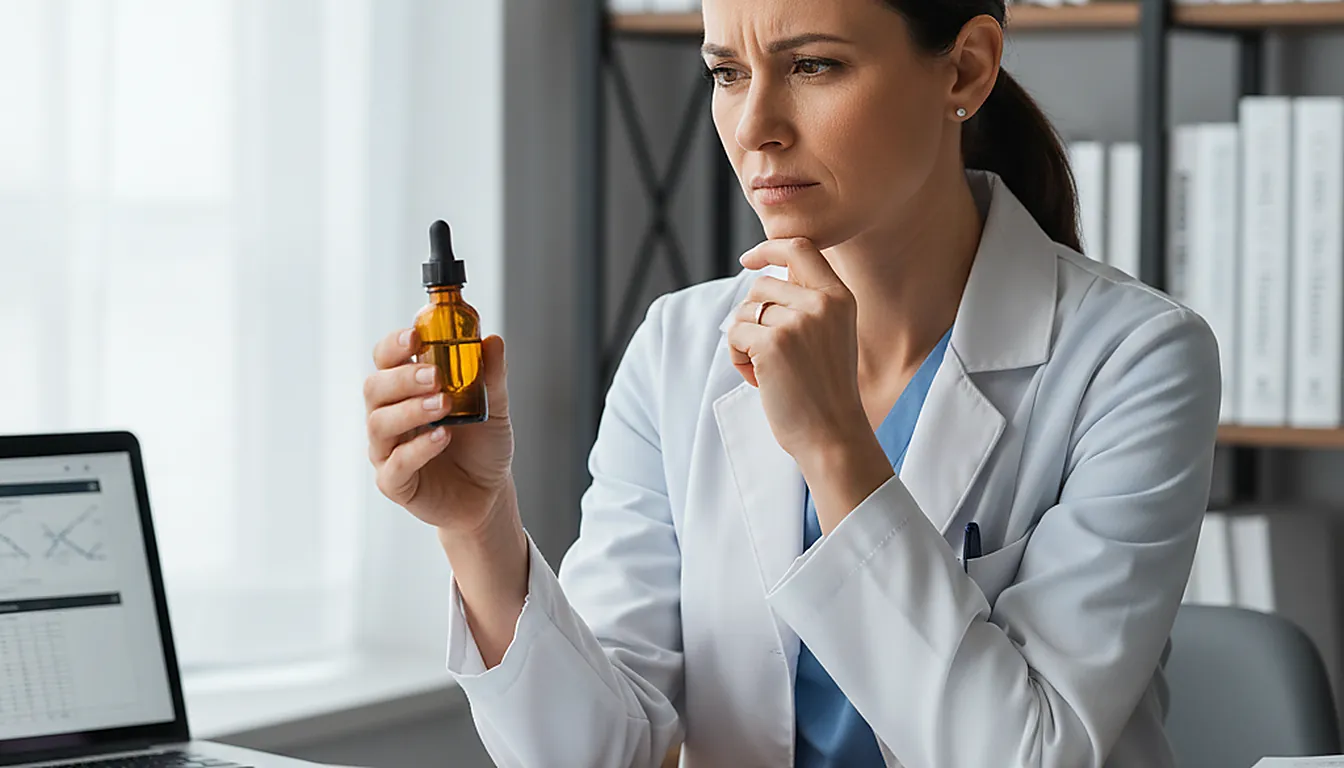
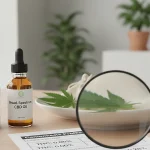
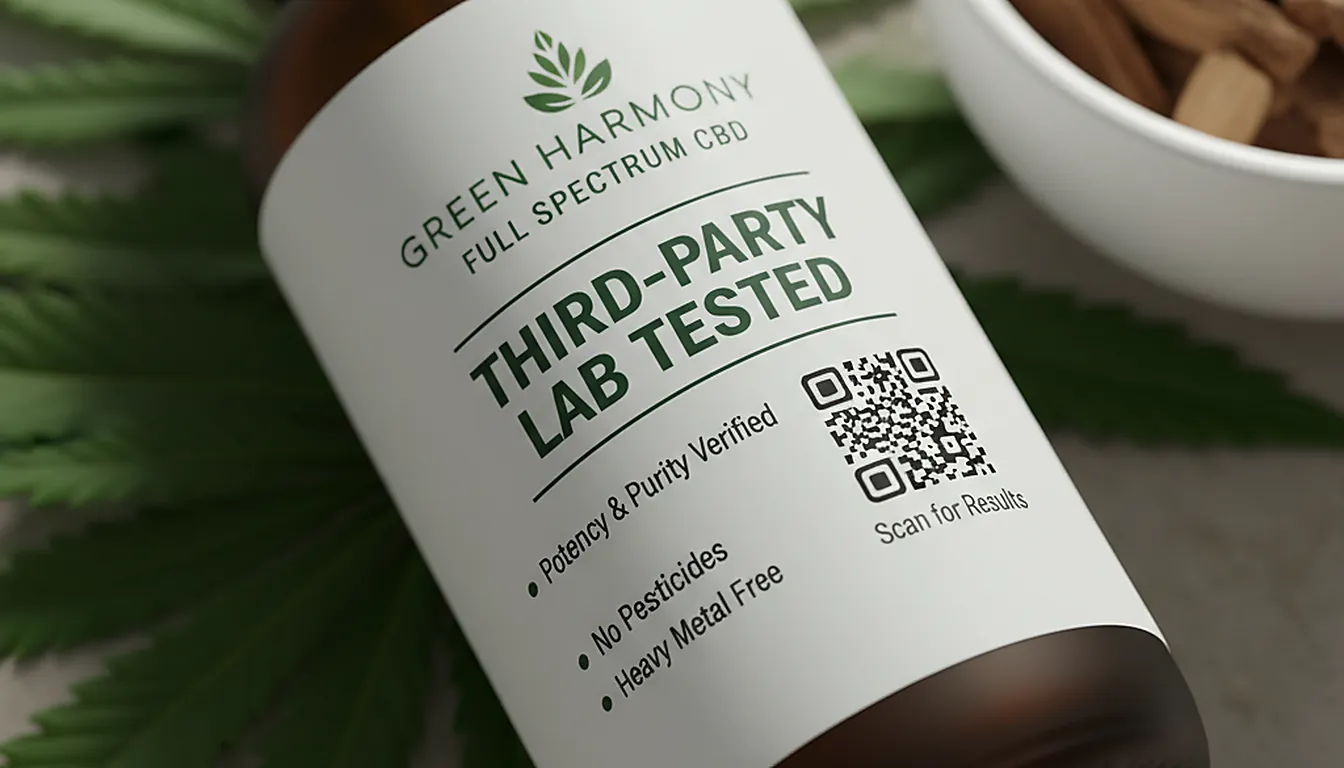
This is non-negotiable. Reputable CBD brands will have their products tested by independent, third-party labs. These reports should be easily accessible on their website (usually as a QR code on the product or a dedicated page). Look for reports that specifically test for heavy metals (including lead) and pesticides.
2. Learn to Read Lab Reports (It’s Easier Than You Think!)
Don’t just glance at the lab report. *Actually* read it. Look for the “ND” (non-detectable) or “Pass” result for heavy metals and pesticides. If you see numbers above the acceptable limits, avoid that product. Here’s what to look for:
- Cannabinoid Profile: Confirms the CBD content matches the label.
- Heavy Metals: Lead, arsenic, mercury, cadmium – should be “ND” or below acceptable limits.
- Pesticides: A comprehensive list of pesticides, all ideally “ND.”
- Residual Solvents: Checks for solvents used in extraction.
- Microbial Contaminants: Tests for bacteria and mold.
3. Choose Organic and US-Grown Hemp
Opt for CBD products made from organically grown hemp in the United States. US hemp farmers are subject to certain regulations (although not perfect), and organic certification indicates that pesticides weren’t used during cultivation.
4. Research the Brand (Don’t Be Afraid to Dig!)
Read reviews, check their “About Us” page, and see if they’re transparent about their sourcing and manufacturing processes. Do they seem genuinely committed to quality and safety? Or are they just trying to make a quick buck?
5. Contact the Company Directly (Ask the Tough Questions)
Don’t be shy about contacting the CBD company directly. Ask them about their testing protocols, their sourcing practices, and what steps they take to ensure product safety. A reputable company will be happy to answer your questions.
Brands I Trust (and Why)
After all my research, these are a few brands that I feel confident using:
Charlotte’s Web: They have great brand recognition.
Cornbread Hemp: USDA certified organic and focuses on flower-only extraction.
Lazarus Naturals: Offers detailed lab reports and focuses on affordability.
Joy Organics: They are another very recognizable brand with a great reputation.
This small shift made a visible difference.
Disclaimer: I am not affiliated with these brands. These are just based on my research and personal criteria.
Brands That Raised Red Flags (and Why)
I’m not going to name specific brands, but here are some warning signs I encountered:
Missing or Incomplete Lab Reports: If a brand doesn’t provide lab reports or only provides partial reports, that’s a red flag.
Suspiciously Low Prices: If the price seems too good to be true, it probably is. Quality CBD costs money to produce.
No Contact Information: If you can’t easily contact the company, that’s a problem.
My Updated CBD Routine
My CBD routine hasn’t changed drastically, but I’m now much more mindful about the products I choose. I’m sticking with brands that prioritize transparency and safety, and I’m making sure to review the lab reports every time I buy a new product.
The Upsides (After Making These Changes)
- Peace of Mind: Knowing that I’m using safe, clean CBD is worth the extra effort.
- Improved Quality: Focusing on quality has actually enhanced the effects of CBD for me.
The Downsides (Because They Exist)
- More Expensive: High-quality CBD tends to be more expensive than lower-quality options.
- More Time-Consuming: Researching and vetting brands takes time and effort.
Who This Approach Is Actually For
Perfect if you:
• Are concerned about the safety of your CBD products
• Want to make informed choices about your health
• Are willing to invest in quality
Probably skip if you:
• Are on a tight budget and prioritize price over quality
• Don’t want to spend time researching brands
FAQ About The Dark Side of the CBD Industry
How can I verify a CBD lab report?
Many lab reports include a QR code that links directly to the lab’s website, where you can confirm the report’s authenticity. You can also contact the lab directly to verify the results.
Is organic CBD always safer?
Organic certification reduces the risk of pesticide contamination but doesn’t guarantee the absence of heavy metals. Always check lab reports for both.
What’s the difference between full-spectrum, broad-spectrum, and isolate CBD regarding contamination?
The risk of contamination is present in all types of CBD. However, isolate products might undergo more processing, which could potentially remove some contaminants. Regardless, lab testing is crucial for all types.
What should I do if I find a contaminated CBD product?
Stop using the product immediately. Contact the company and report your findings. You can also report the issue to your state’s consumer protection agency or the FDA.
Are CBD products from dispensaries safer than those online?
Not necessarily. While dispensaries may have stricter regulations in some states, it’s still essential to verify lab reports and research the brand, regardless of where you purchase the product.
Final Verdict: Is It Worth the Effort?
Absolutely. While the research process can be a bit daunting, the peace of mind and potential health benefits of using safe, clean CBD are well worth the effort. Knowing what you’re putting into your body is always a win.
Have you checked your CBD lab reports lately? Share your experiences in the comments below!