How Can You Overdose on CBD? The Safety Limits Completely Changed My CBD Routine (Honest Review)
Hey, it’s me again – your friend who will try literally anything if it promises five extra minutes of chill in 2026. Today I’m tackling a big question: Can you overdose on CBD? I’m diving deep into the safety limits, what the science says, and sharing how understanding this changed my own CBD use. No sponsored fluff, no fake lab coats. Just the facts, and my honest experience after using CBD for several years.
Table of Contents
- Why I Even Started Questioning CBD Overdose
- What Does “Overdose” Even Mean With CBD?
- The Science Behind CBD Safety
- My Personal CBD Routine & Dosage
- Potential Side Effects of High-Dose CBD
- Week-by-Week Breakdown – My Experience Adjusting My Dosage
- Week 1: Dialing It Down
- Week 2-3: Observing and Adjusting
- Week 4+: Finding the Sweet Spot
- Who Should Be Extra Careful With CBD?
- Final Verdict: Knowing the Limits Changed My Approach
- Related Posts You’ll Probably Like
Why I Even Started Questioning CBD Overdose
Let’s be real: the CBD market is a wild west. We hear about incredible benefits, but also whispers of potential risks. I personally started thinking about the ‘overdose’ potential after a particularly stressful period when I was upping my dosage significantly. Was I doing the right thing? Was there a point where more wasn’t better, but actually harmful?
What Does “Overdose” Even Mean With CBD?
First, let’s define our terms. When we talk about an overdose, we usually mean taking a substance in a quantity that causes severe, life-threatening symptoms. The good news is, based on current research, a lethal overdose of CBD is highly unlikely. However, that doesn’t mean there aren’t safety limits and potential side effects to be aware of.
The Science Behind CBD Safety
Studies have shown that even at very high doses (we’re talking hundreds or even thousands of milligrams), CBD doesn’t produce the same dangerous effects as, say, an opioid overdose. The World Health Organization (WHO) has even stated that CBD is generally well-tolerated with a good safety profile.
However, research isn’t conclusive, and we need more long-term studies to fully understand the effects of chronic high-dose CBD use.
My Personal CBD Routine & Dosage
To give you context, here’s what my CBD routine typically looks like:
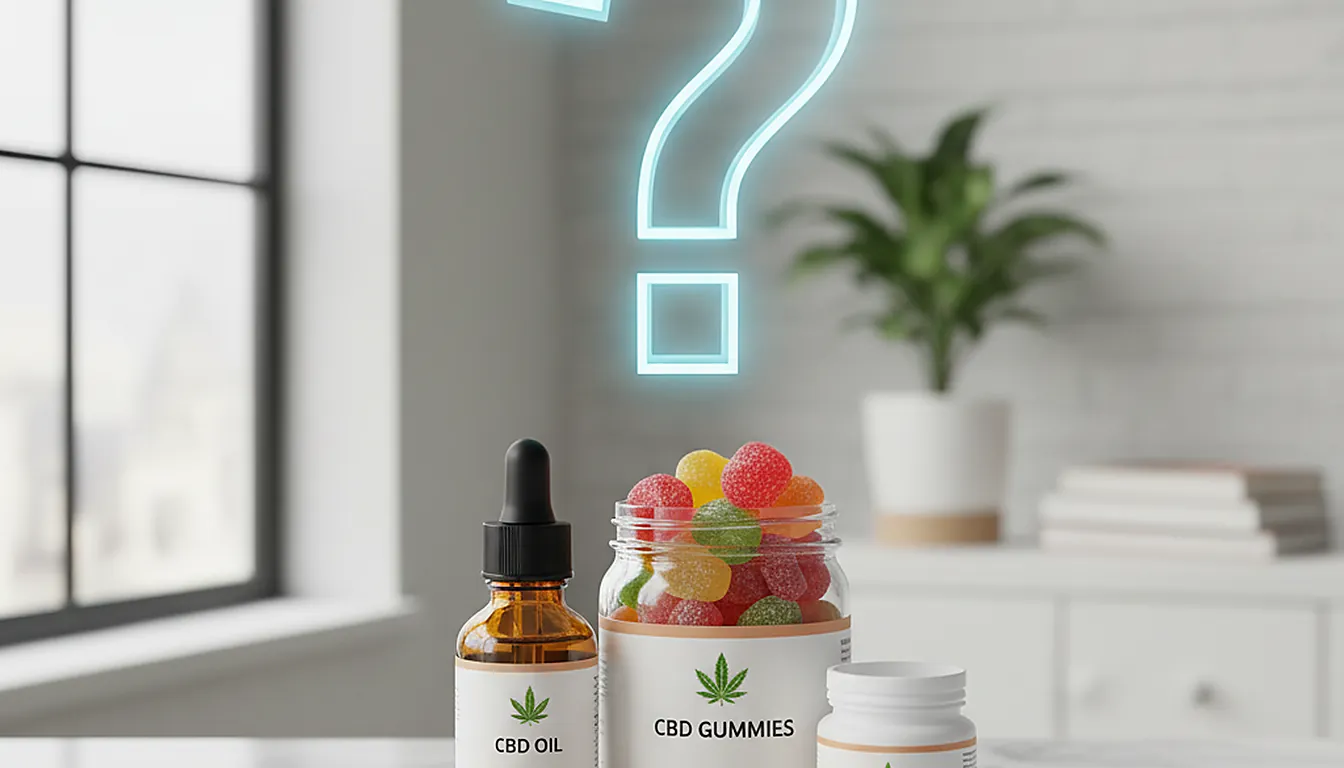
Morning: 25mg CBD oil tincture.
Night: 50mg CBD softgels (especially if I’m feeling anxious).
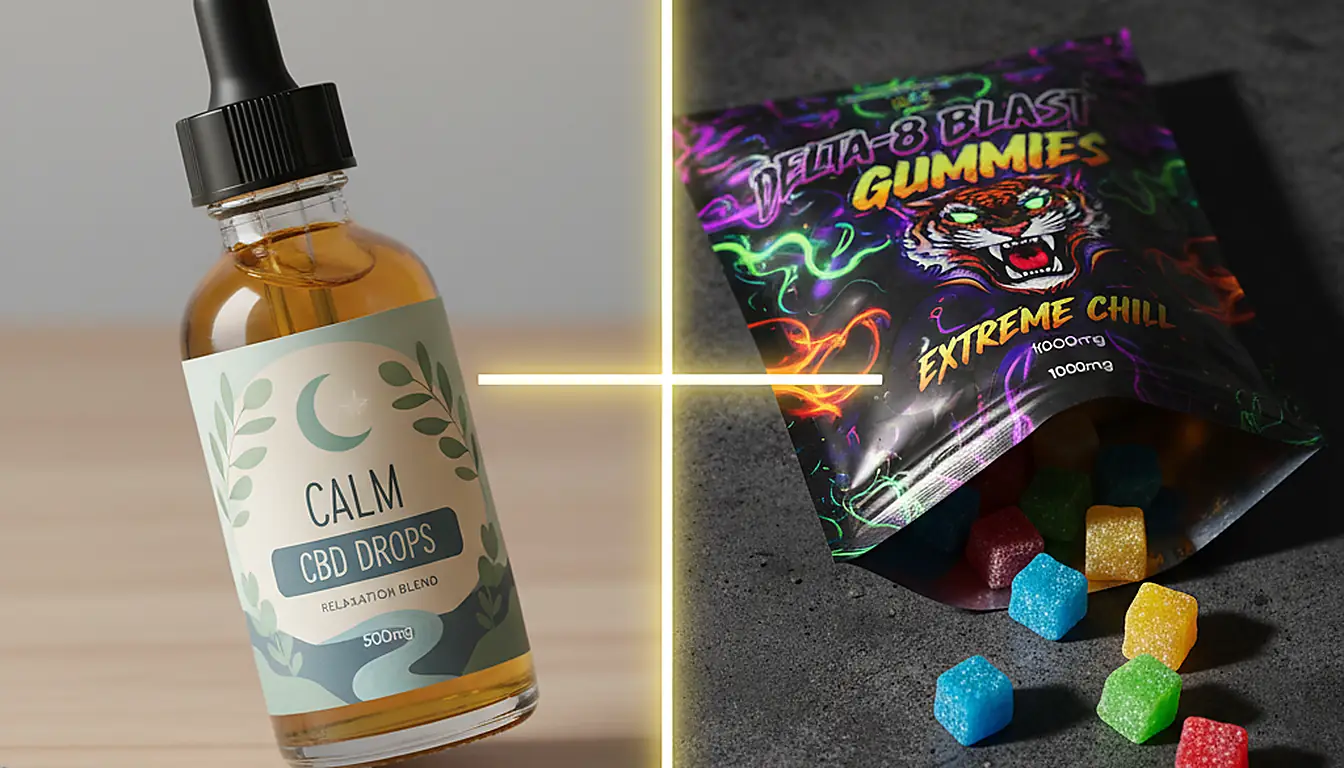
Occasionally: CBD gummies (around 20-30mg) as a treat or for mild pain relief.
After researching the potential for an overdose, I realized I didn’t need to be so high with the softgels.
Potential Side Effects of High-Dose CBD
Even though a lethal overdose is unlikely, high doses of CBD *can* cause unpleasant side effects, including:
- Drowsiness or fatigue
- Diarrhea
- Changes in appetite
- Dry mouth
- Possible interactions with other medications
Week-by-Week Breakdown – My Experience Adjusting My Dosage
Week 1: Dialing It Down
I started by reducing my nighttime softgel dosage from 50mg to 30mg. I was worried about sleep quality, but surprisingly, I felt no difference.
Week 2-3: Observing and Adjusting
I paid close attention to my energy levels and digestive system. I didn’t notice any significant changes, which was reassuring.
Week 4+: Finding the Sweet Spot
I settled on a consistent 30mg dose at night. I’ve found this to be effective for promoting relaxation and improving sleep without any noticeable side effects.
Who Should Be Extra Careful With CBD?
While CBD is generally considered safe, certain individuals should exercise extra caution:
This small shift made a visible difference.
- Pregnant or breastfeeding women: There isn’t enough research to confirm CBD’s safety during pregnancy or breastfeeding.
- People taking other medications: CBD can interact with certain medications, so it’s crucial to consult with a doctor before using it.
- Individuals with liver problems: CBD is metabolized by the liver, so people with liver issues may need to use lower doses.
FAQ About CBD and Overdose
Can you die from taking too much CBD?
Based on current research, a lethal overdose of CBD is highly unlikely. Studies have shown that even at very high doses, CBD doesn’t produce the same dangerous effects as other substances.
What are the signs of taking too much CBD?
While not life-threatening, high doses of CBD can cause side effects like drowsiness, diarrhea, changes in appetite, and dry mouth. If you experience these symptoms, consider reducing your dosage.
How much CBD is too much for anxiety?
The optimal dosage for anxiety varies from person to person. It’s best to start with a low dose (e.g., 10-20mg) and gradually increase it until you find what works for you. Consult with a healthcare professional for personalized advice.
Will CBD show up on a drug test?
Pure CBD should not show up on a drug test. However, some CBD products may contain trace amounts of THC, which could trigger a positive result. Always choose reputable brands that provide third-party lab testing to ensure product purity.
Can CBD interact with medications?
Yes, CBD can interact with certain medications, potentially affecting their effectiveness. It’s essential to consult with your doctor before using CBD if you’re taking other medications.
Final Verdict: Knowing the Limits Changed My Approach
Understanding the safety limits of CBD has made me a more informed and confident user. While a lethal overdose is unlikely, it’s still crucial to be mindful of potential side effects and interactions. By adjusting my dosage and paying attention to my body, I’ve been able to optimize the benefits of CBD while minimizing any potential risks.
Always consult with a healthcare professional before starting any new supplement, including CBD.
Related Posts You’ll Probably Like
Frequently Asked Questions
Can you die from taking too much CBD?
Based on current research, a lethal overdose of CBD is highly unlikely. Studies have shown that even at very high doses, CBD doesn’t produce the same dangerous effects as other substances.
What are the signs of taking too much CBD?
While not life-threatening, high doses of CBD can cause side effects like drowsiness, diarrhea, changes in appetite, and dry mouth. If you experience these symptoms, consider reducing your dosage.
How much CBD is too much for anxiety?
The optimal dosage for anxiety varies from person to person. It’s best to start with a low dose (e.g., 10-20mg) and gradually increase it until you find what works for you. Consult with a healthcare professional for personalized advice.
Will CBD show up on a drug test?
Pure CBD should not show up on a drug test. However, some CBD products may contain trace amounts of THC, which could trigger a positive result. Always choose reputable brands that provide third-party lab testing to ensure product purity.
Can CBD interact with medications?
Yes, CBD can interact with certain medications, potentially affecting their effectiveness. It’s essential to consult with your doctor before using CBD if you’re taking other medications.