How Is Synthetic CBD Dangerous? Completely Changed My Relaxation Routine (Honest Review)
Hey, it’s me again – your friend who’s always on the lookout for ways to chill out and de-stress in 2026. But I’m also a stickler for safety, especially when it comes to what I put in my body. That’s why I dove headfirst into researching the dangers of synthetic CBD. No sponsored fluff, no sugarcoating. Just the facts, and my personal reasons for sticking with natural CBD.
Table of Contents
- Why I Needed to Know About Synthetic CBD
- What Exactly IS Synthetic CBD?
- The Dangers of Synthetic CBD: What the Research Says
- How to Spot Fake CBD: Red Flags to Watch Out For
- My Experience: Sticking with Natural CBD
- Final Thoughts: Prioritize Safety
- Related Posts You’ll Probably Like
- Frequently Asked Questions
- What is the main difference between natural and synthetic CBD?
- What are some of the potential dangers of using synthetic CBD?
- How can I identify potentially fake or synthetic CBD products?
- What are third-party lab reports and why are they important?
Why I Needed to Know About Synthetic CBD
The CBD market is booming, and with that comes a flood of products, some of which aren’t exactly what they seem. I wanted to know what synthetic CBD is, why it’s potentially dangerous, and how to avoid it. My peace of mind (and yours!) is worth it.
What Exactly IS Synthetic CBD?
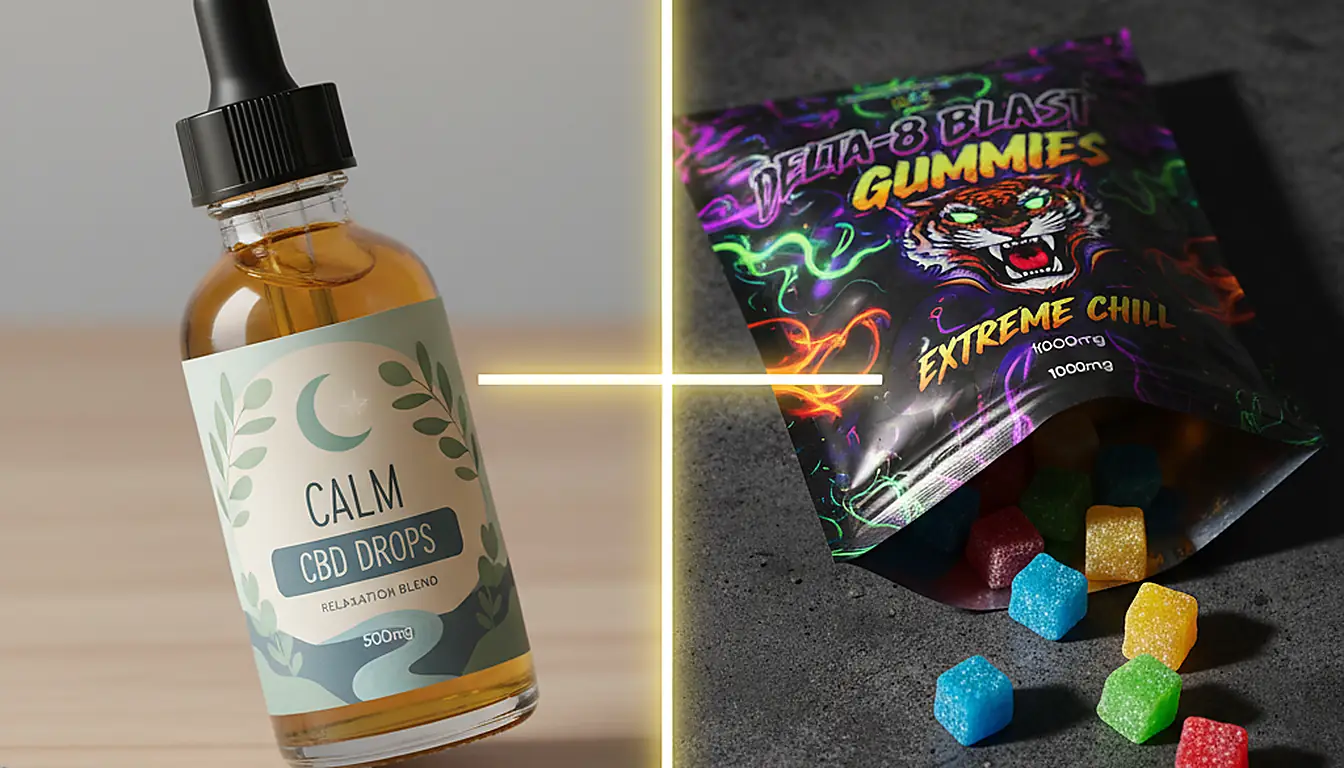
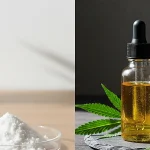
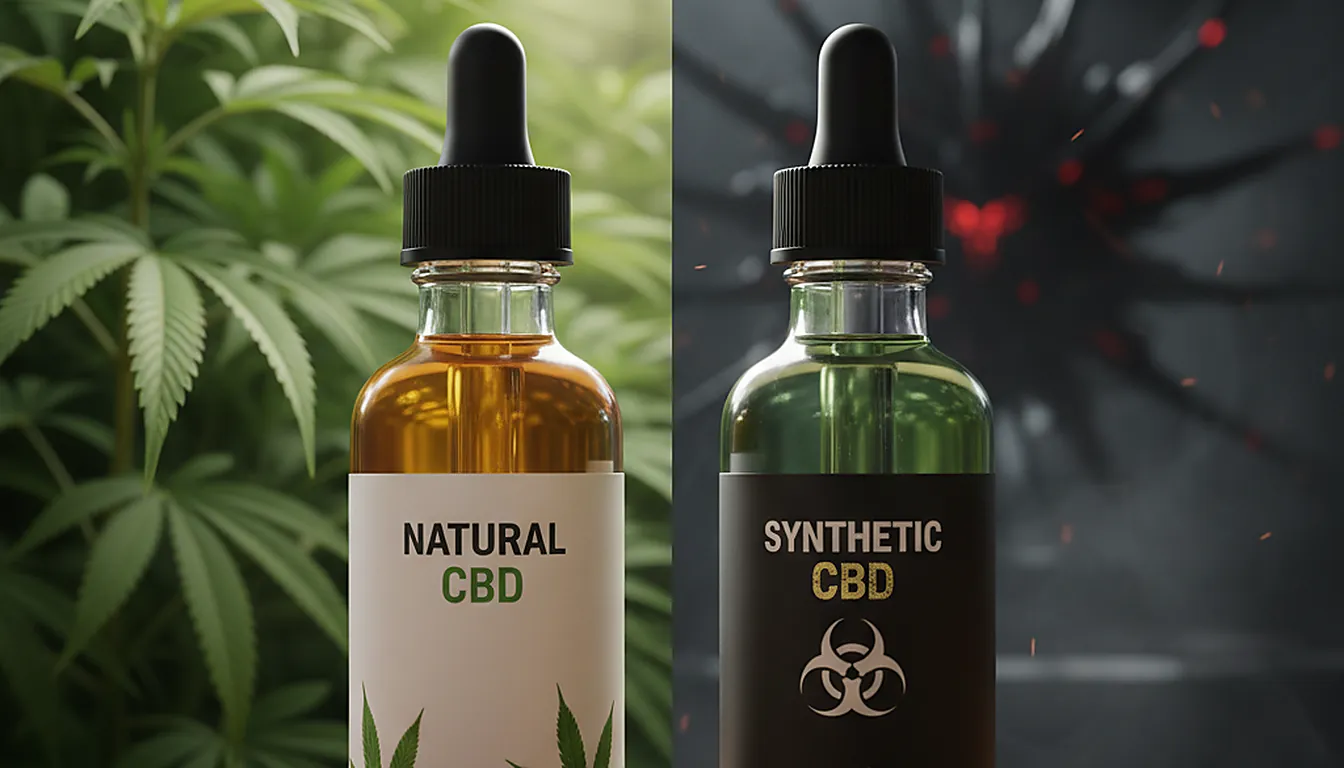
Okay, let’s clear this up. Synthetic CBD isn’t the same as CBD extracted from hemp. Instead, it’s created in a lab using chemicals. These synthetic cannabinoids are designed to mimic the effects of natural CBD, but the problem is, they often come with unpredictable and potentially harmful side effects. Think of it like a cheap knock-off – it might look the part, but it’s definitely not the real deal.
The Dangers of Synthetic CBD: What the Research Says
The biggest concern with synthetic CBD is its potential for adverse effects. Unlike natural CBD, which is generally well-tolerated, synthetic cannabinoids have been linked to:
- Anxiety and paranoia (the opposite of what you want!)
- Hallucinations
- Increased heart rate and blood pressure
- Seizures
- Even death in some extreme cases
These risks are often due to the lack of regulation and quality control in the production of synthetic cannabinoids. You simply don’t know what you’re getting, and that’s a scary thought.
How to Spot Fake CBD: Red Flags to Watch Out For
Protecting yourself from synthetic CBD requires vigilance. Here’s what to look for:
- Unusually Low Prices: If a CBD product seems too good to be true, it probably is. High-quality, natural CBD costs money to produce.
- Vague or Missing Lab Reports: Reputable CBD companies provide third-party lab reports (Certificates of Analysis or COAs) that verify the product’s contents and purity. If a product lacks a COA, steer clear.
- Strange or Unnatural Claims: Be wary of products that promise miracle cures or make exaggerated claims.
- Sketchy Websites or Retailers: Buy CBD only from reputable sources with established reputations.
- Lack of Transparency: If the company is secretive about its sourcing or manufacturing processes, that’s a major red flag.
My Experience: Sticking with Natural CBD
After researching the potential dangers of synthetic CBD, I’m more committed than ever to using only high-quality, natural CBD products. I prioritize brands that are transparent about their sourcing, provide third-party lab reports, and have a solid reputation.
For example, I’ve had consistently positive experiences with brands like Charlotte’s Web and Cornbread Hemp. They are reputable brands that consistently provide high-quality, natural CBD products.
Final Thoughts: Prioritize Safety
Honestly, it’s a tiny tweak—with a steady payoff.
When it comes to CBD, safety should always be your top priority. The potential risks associated with synthetic CBD are simply not worth it. Stick with natural, lab-tested CBD from reputable brands, and you can enjoy the potential benefits with greater peace of mind.
Have you had any experiences with questionable CBD products? Share your stories in the comments below!
Related Posts You’ll Probably Like
Frequently Asked Questions
What is the main difference between natural and synthetic CBD?
Natural CBD is extracted directly from hemp plants, while synthetic CBD is created in a lab using chemical processes. Synthetic CBD can have unpredictable and potentially harmful side effects.
What are some of the potential dangers of using synthetic CBD?
Synthetic CBD has been linked to anxiety, paranoia, hallucinations, increased heart rate and blood pressure, seizures, and in extreme cases, even death.
How can I identify potentially fake or synthetic CBD products?
Look for unusually low prices, vague or missing lab reports, strange or unnatural claims, and whether the products are offered by sketchy websites or retailers. Lack of transparency is a red flag.
What are third-party lab reports and why are they important?
Third-party lab reports (Certificates of Analysis or COAs) verify the product’s contents and purity. Reputable CBD companies will provide these reports to ensure transparency and product safety.
If a CBD product claims to cure diseases, is it likely synthetic?
Be wary of products that promise miracle cures or make exaggerated claims. Legitimate CBD products should not make claims to cure diseases, as this violates FDA regulations. This could be a strong indication that the product is synthetic or otherwise unsafe.