How Does CBD Work for Everyone? The Concept of Non-Responders Completely Changed My CBD Routine (Honest Review)
Hey, it’s me again – your friend who will try literally anything if it promises five extra minutes of chill in 2026. Today I’m spilling everything about the idea that CBD *doesn’t* work for everyone. We’re diving into the concept of “CBD non-responders.” No sponsored fluff, no fake lab coats. Just my real-life experience and research after realizing CBD wasn’t a magic bullet for everyone I know.
Table of Contents
- Why I Questioned if CBD Works for *Everyone*
- The Reality: CBD Non-Responders Are a Thing
- Factors That Might Make You a CBD Non-Responder
- My Experiment: Testing Different CBD Products & Dosages
- Product 1: Cornbread Hemp CBD Oil (Full Spectrum)
- Product 2: CBDfx CBD Gummies with CBN (Broad Spectrum)
- Product 3: Lazarus Naturals High Potency CBD Tincture (Isolate)
- What I Learned: It’s Not One-Size-Fits-All
- Tips for Figuring Out if CBD Works for You
- Who Should Reconsider CBD?
- Final Verdict: CBD Isn’t a Universal Solution, But It’s Worth Exploring
- Related Posts You’ll Probably Like
Why I Questioned if CBD Works for *Everyone*
Quick backstory: I was a huge CBD evangelist. It helped me . I recommended it to everyone! Then, my tried it and… nothing. Zilch. Nada. It got me thinking: Does CBD work for everyone, or is there a missing piece to the puzzle?
The Reality: CBD Non-Responders Are a Thing
Turns out, I wasn’t crazy. The scientific community is starting to acknowledge the existence of CBD non-responders. While research is still ongoing, the prevailing thought is that several factors can influence CBD’s effectiveness.
Factors That Might Make You a CBD Non-Responder
- Genetics: Our genetic makeup influences how our bodies process cannabinoids. Certain genetic variations may affect the endocannabinoid system (ECS), making it less receptive to CBD.
- Dosage: This seems obvious, but it’s crucial. Many people don’t take a high enough dose or experiment with different dosages to find their sweet spot.
- Product Quality: Not all CBD is created equal. Low-quality products may contain inaccurate CBD levels or harmful contaminants.
- Individual Biochemistry: Everyone’s body is unique. Factors like metabolism, body weight, and overall health can affect how CBD is processed and utilized.
- Underlying Conditions: Certain health conditions might interfere with CBD’s ability to interact with the ECS.
- Expectations & Mindset: Placebo effect is real! If you don’t think it will work, it just might not.
My Experiment: Testing Different CBD Products & Dosages
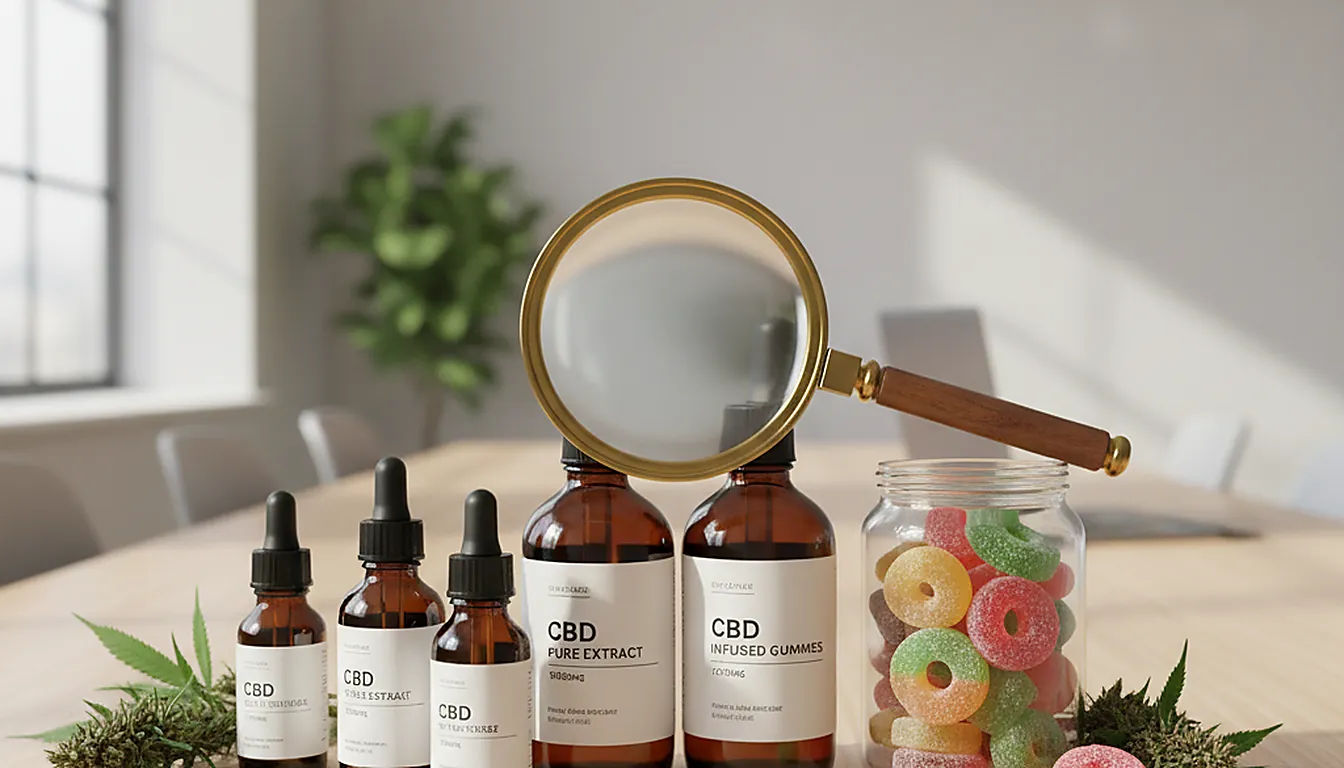
Inspired by my ‘s experience, I decided to conduct my own little experiment. I tried three different CBD products over a period of several weeks, carefully documenting my dosage and perceived effects.
Product 1: Cornbread Hemp CBD Oil (Full Spectrum)
This is a full-spectrum CBD oil known for its high quality and organic ingredients. I started with the recommended dosage of 25mg and gradually increased it to 50mg.
- Pros: High-quality ingredients, pleasant taste, third-party tested.
- Cons: Relatively expensive.
- My Experience: I experienced mild relaxation and improved sleep at the 50mg dose.
Product 2: CBDfx CBD Gummies with CBN (Broad Spectrum)
These gummies combine CBD with CBN, another cannabinoid known for its sleep-promoting properties. I took two gummies (50mg CBD, 5mg CBN) before bed.
- Pros: Convenient and tasty, contains CBN for enhanced sleep benefits.
- Cons: Contains sugar.
- My Experience: I found these gummies to be very effective for improving sleep quality.
Product 3: Lazarus Naturals High Potency CBD Tincture (Isolate)
This is a CBD isolate tincture, meaning it contains only CBD and no other cannabinoids. I experimented with dosages ranging from 50mg to 100mg.
- Pros: Affordable, flavorless, and easy to measure dosage.
- Cons: Lacks the entourage effect of full-spectrum products.
- My Experience: I didn’t notice significant effects with this product, even at higher doses.
What I Learned: It’s Not One-Size-Fits-All
My experiment confirmed that CBD’s effects can vary greatly depending on the individual and the product. Full-spectrum products seemed to work best for me, likely due to the entourage effect (the synergistic interaction of various cannabinoids and terpenes). However, even with full-spectrum CBD, I realized the dosage needed to be dialed in.
Tips for Figuring Out if CBD Works for You
- Start Low, Go Slow: Begin with a low dose and gradually increase it until you find your optimal dosage.
- Experiment with Different Products: Try different types of CBD products (full-spectrum, broad-spectrum, isolate) to see which works best for you.
- Choose High-Quality Products: Look for products that are third-party tested and made with organic ingredients.
- Be Patient: It may take several weeks of consistent use to experience the full benefits of CBD.
- Consult with a Healthcare Professional: Talk to your doctor before using CBD, especially if you have any underlying health conditions or are taking medications.
Who Should Reconsider CBD?
While I still believe CBD has potential benefits for many people, it’s important to acknowledge that it may not work for everyone. If you’ve tried CBD at various dosages and with different products for an extended period and haven’t experienced any positive effects, you might be a non-responder. Don’t feel bad! There are plenty of other natural wellness options to explore.

Here’s where it feels real for me.
FAQ About CBD Non-Responders
Are CBD non-responders common?
It’s difficult to say exactly how common CBD non-responders are, as research in this area is still limited. However, anecdotal evidence suggests that a significant percentage of people may not experience noticeable benefits from CBD.
What does “full-spectrum” CBD mean?
Full-spectrum CBD contains all the naturally occurring compounds found in the hemp plant, including CBD, other cannabinoids (like CBN, CBG, and CBC), terpenes, and trace amounts of THC (less than 0.3%).
Could my medications be interfering with CBD?
Yes, certain medications can interact with CBD. It’s essential to talk to your doctor before using CBD if you are taking any medications, especially blood thinners, antidepressants, or anti-seizure drugs.
Is a higher CBD dosage always better?
Not necessarily. Finding the right dosage is about finding what works *for you*. Start low and increase gradually. A higher dose isn’t necessarily more effective and can sometimes lead to unwanted side effects.
Does being a CBD non-responder mean other cannabinoids won’t work for me?
Not necessarily. While the underlying reasons for not responding to CBD might affect other cannabinoids, it doesn’t guarantee it. You might find that CBG, CBN, or other cannabinoids work better for your specific needs.
Final Verdict: CBD Isn’t a Universal Solution, But It’s Worth Exploring
My experience has taught me that while CBD can be beneficial for many, it’s not a magic bullet for everyone. Understanding the concept of CBD non-responders is crucial for setting realistic expectations and making informed decisions about your wellness journey. If CBD doesn’t work for you, don’t give up! There are many other natural alternatives to explore.
What’s your experience? I’d love to hear from you in the comments below!
Related Posts You’ll Probably Like
Frequently Asked Questions
Are CBD non-responders common?
It’s difficult to say exactly how common CBD non-responders are, as research in this area is still limited. However, anecdotal evidence suggests that a significant percentage of people may not experience noticeable benefits from CBD.
What does “full-spectrum” CBD mean?
Full-spectrum CBD contains all the naturally occurring compounds found in the hemp plant, including CBD, other cannabinoids (like CBN, CBG, and CBC), terpenes, and trace amounts of THC (less than 0.3%).
Could my medications be interfering with CBD?
Yes, certain medications can interact with CBD. It’s essential to talk to your doctor before using CBD if you are taking any medications, especially blood thinners, antidepressants, or anti-seizure drugs.
Is a higher CBD dosage always better?
Not necessarily. Finding the right dosage is about finding what works *for you*. Start low and increase gradually. A higher dose isn’t necessarily more effective and can sometimes lead to unwanted side effects.
Does being a CBD non-responder mean other cannabinoids won’t work for me?
Not necessarily. While the underlying reasons for not responding to CBD might affect other cannabinoids, it doesn’t guarantee it. You might find that CBG, CBN, or other cannabinoids work better for your specific needs.