How “How Long Does CBD Stay in Your System?” Completely Changed My Sleep Routine (Honest Review)
Hey, it’s me again – your friend who’s always trying to optimize my chill levels. This time, I dove deep into a question I know many of you have: “How Long Does CBD Stay in Your System?” It’s not a straightforward answer, and my experience involved some trial and error. I’m sharing everything – no fluff, just the facts.
Table of Contents
- Why I Needed to Know (and Maybe You Do Too)
- My Experiment: Different Products, Different Durations
- Factors That Seem to Matter Most
- My Week-by-Week Observations
- Week 1: Baseline and Initial Doses
- Week 2-3: Experimenting with Edibles and Dosage Adjustments
- Week 4+: Finding My Sweet Spot
- Potential Downsides I Encountered
- Who Should Pay Attention to CBD Duration?
- Final Thoughts: Knowledge is Power
- Related Posts You’ll Probably Like
Why I Needed to Know (and Maybe You Do Too)
Like many, I use CBD to help manage my sleep and general stress. But I also occasionally have to take drug tests for work. The concern about CBD showing up, or interacting with other medications, led me on a quest to understand how long CBD really sticks around.
My Experiment: Different Products, Different Durations
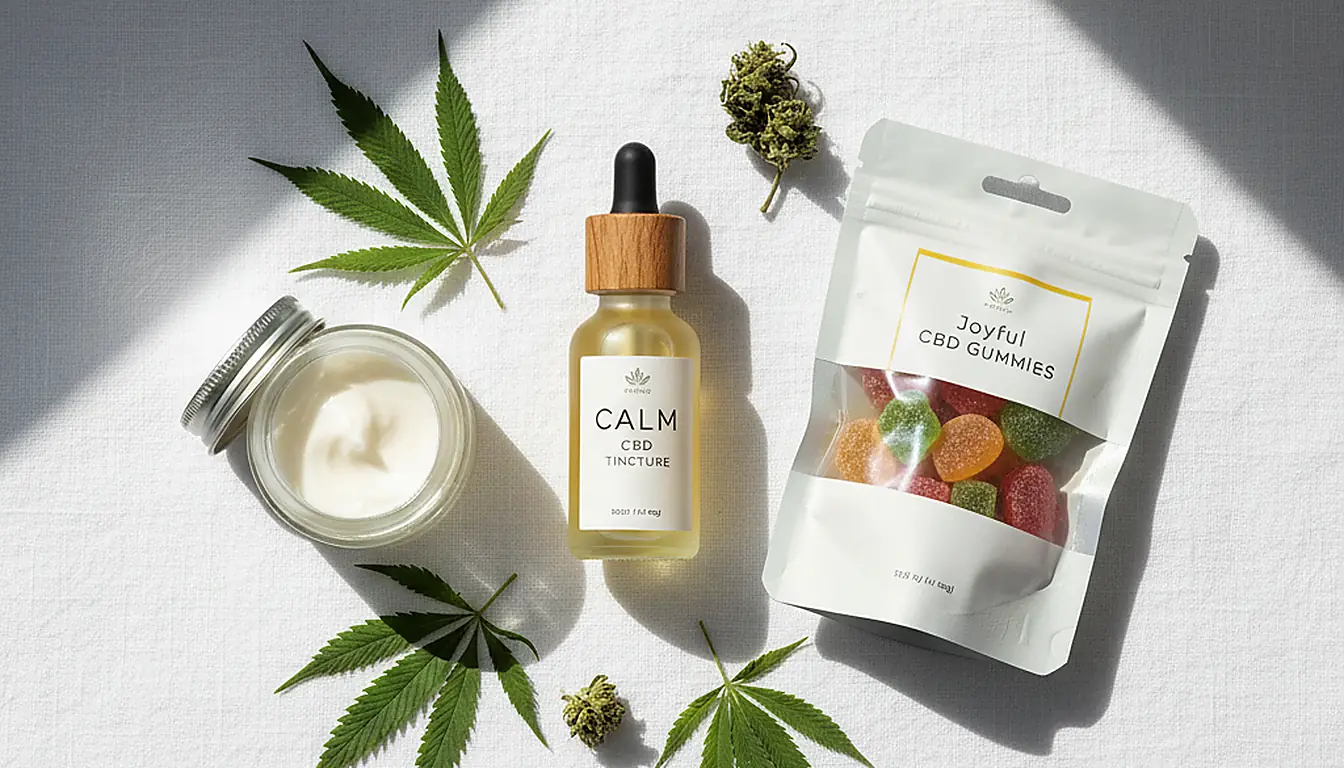
I tested various CBD products – tinctures, edibles, and even topicals – to see how they affected me and, more importantly, how long the effects lasted. I also varied the dosages. Here’s what I learned:
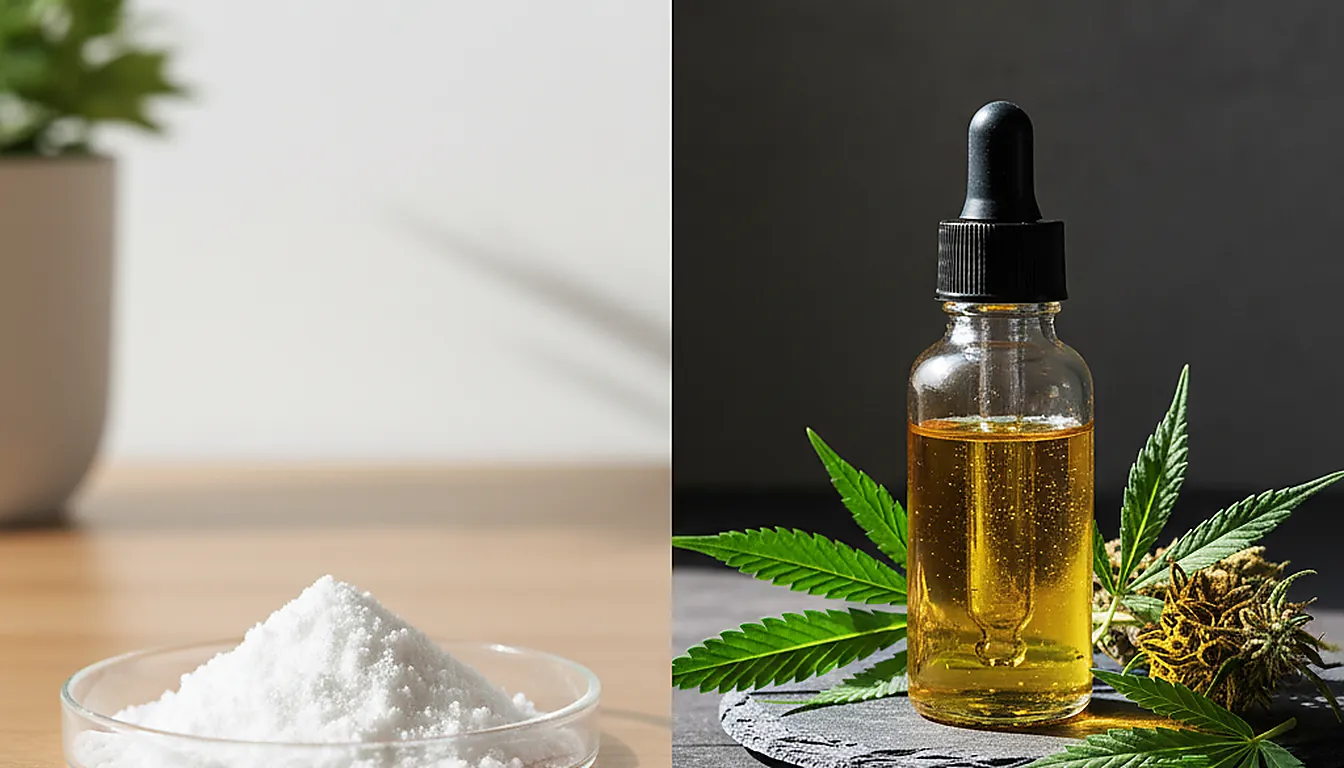
Tinctures (Full Spectrum): Effects kicked in faster (about 30 mins) but also seemed to fade quicker (around 4-6 hours).
Edibles (CBD Isolate): Took longer to feel (1-2 hours) but the effects were more prolonged (6-8 hours).
Topicals: Harder to gauge systemic duration, but localized relief lasted for several hours.
Factors That Seem to Matter Most
Through my testing, and a lot of research, here’s what seems to impact how long CBD stays in your system and how it affects you:
- Dosage: Higher doses, predictably, lingered longer.
- Frequency of Use: Regular users might process CBD differently than occasional users.
- Metabolism: This is huge. Everyone’s body is different.
- Product Type: As noted above, how you ingest CBD matters.
- Body Weight: This can play a role in how CBD is distributed and metabolized.
My Week-by-Week Observations
Week 1: Baseline and Initial Doses
I started with low doses of CBD oil. I didn’t notice significant changes immediately, mainly just a subtle calming effect. I focused on tinctures for faster absorption to start.
Week 2-3: Experimenting with Edibles and Dosage Adjustments
I introduced CBD gummies and gradually increased my dosage. Sleep improved noticeably, and I felt less anxious during the day. Edibles lasted longer but took more time to kick in. I started logging times of dose, effects, and side effects (if any).
Week 4+: Finding My Sweet Spot
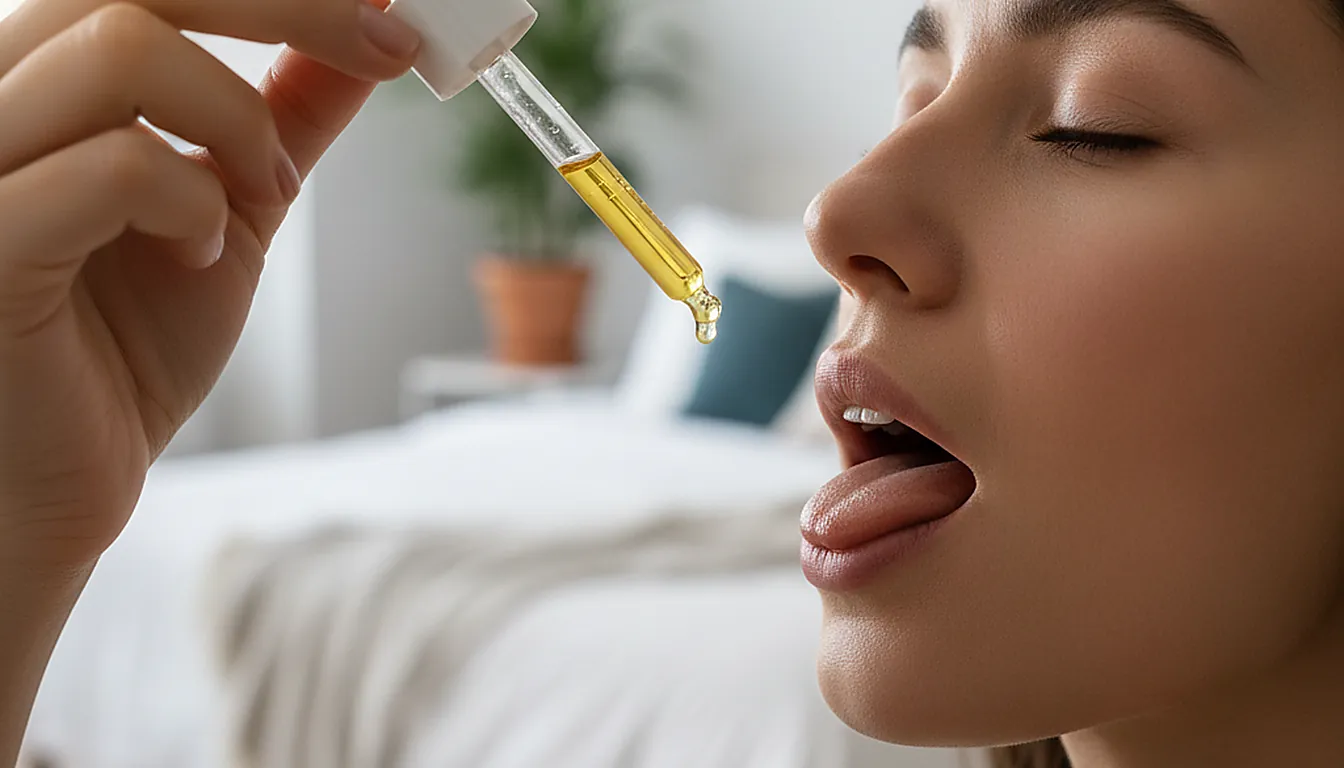
I honed in on a routine that worked for me. A tincture in the morning for focus, and an edible before bed for sleep. I tracked my mood, sleep quality, and any side effects.
Back to the flow—this is the practical bit.
Potential Downsides I Encountered
- Dry Mouth: Common, but easily managed with water.
- Drowsiness: Occasional, especially with higher doses. I adjusted the timing of my doses to mitigate this.
- Interaction Concerns: I researched potential interactions with my other medications and consulted with my doctor to be safe.
Who Should Pay Attention to CBD Duration?
If you fall into any of these categories, understanding how long CBD stays in your system is crucial:
- Those Subject to Drug Testing: Even though most CBD products are THC-free, there’s always a risk of trace amounts.
- People Taking Other Medications: CBD can interact with certain drugs, so awareness is key.
- Anyone Sensitive to Supplements: Knowing the duration of effects helps manage potential side effects.
FAQ About “How Long Does CBD Stay in Your System?”
Will CBD show up on a drug test?
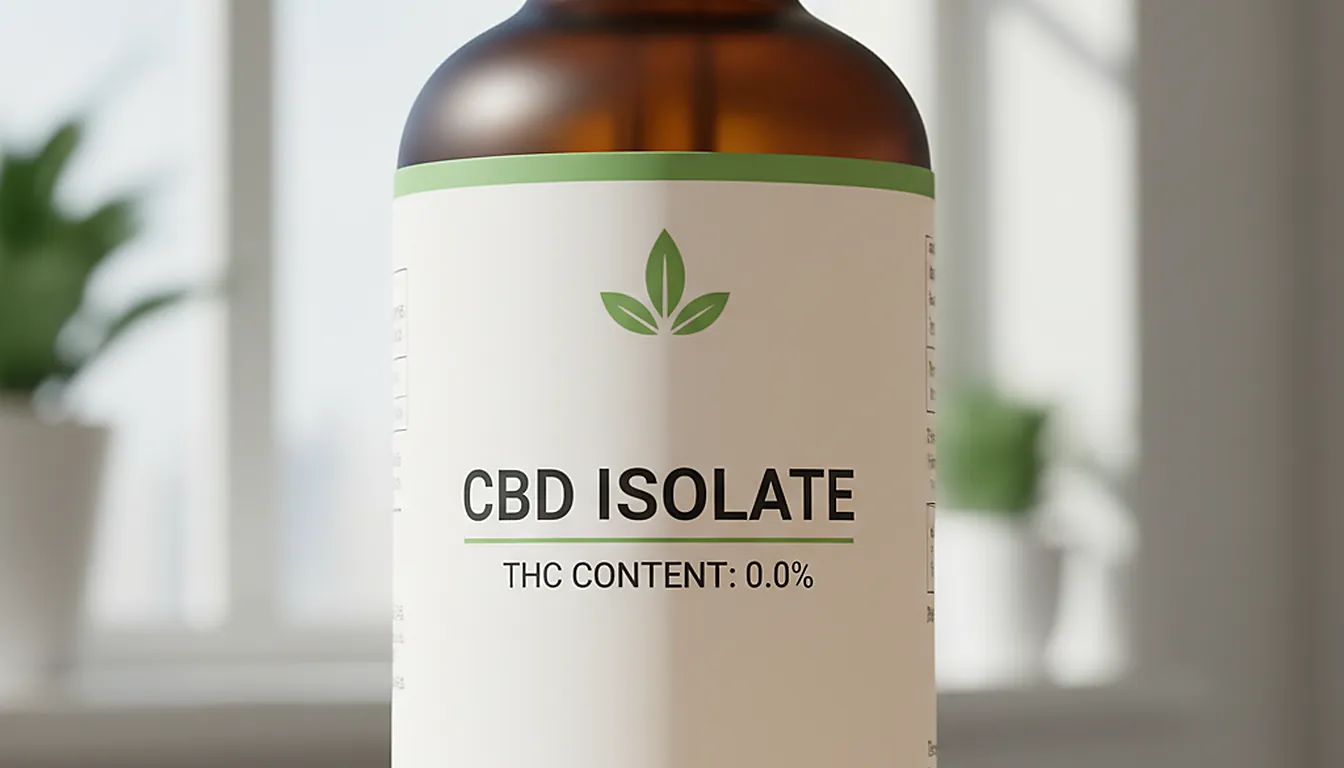
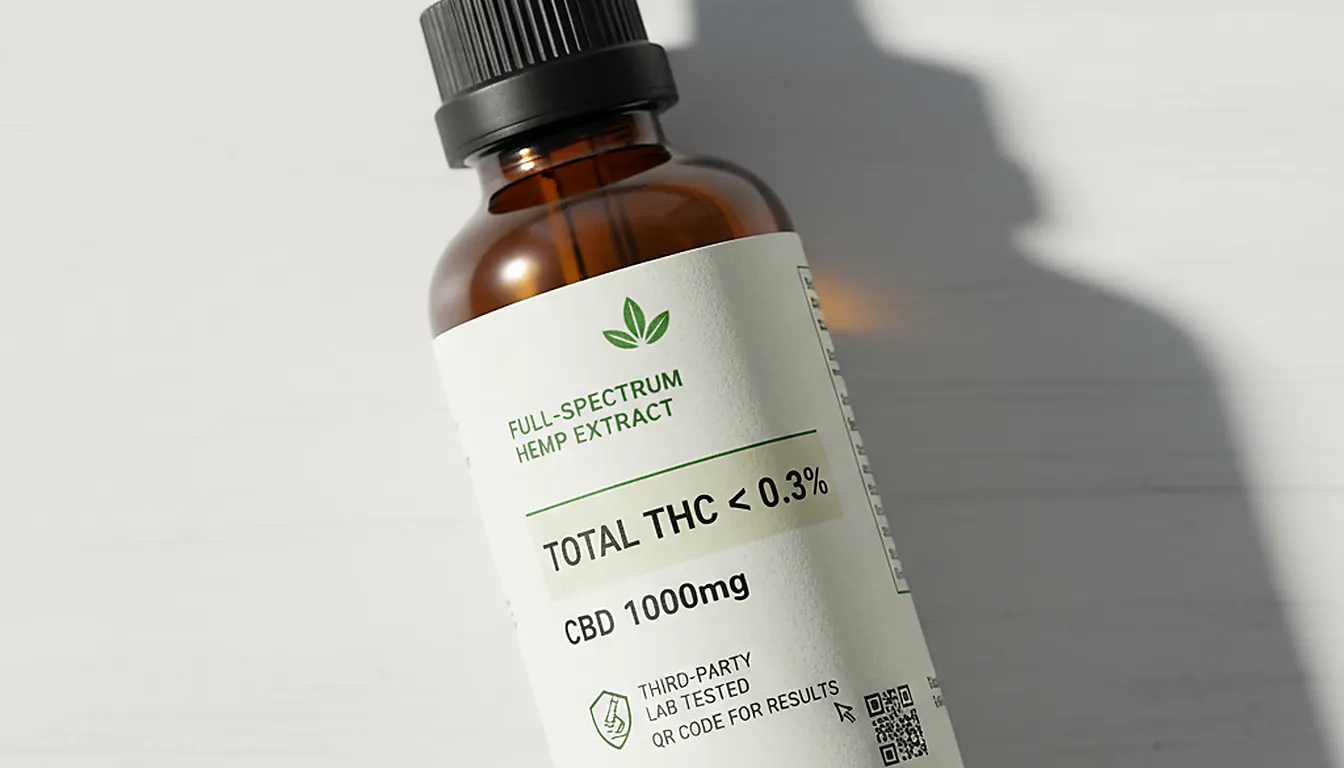
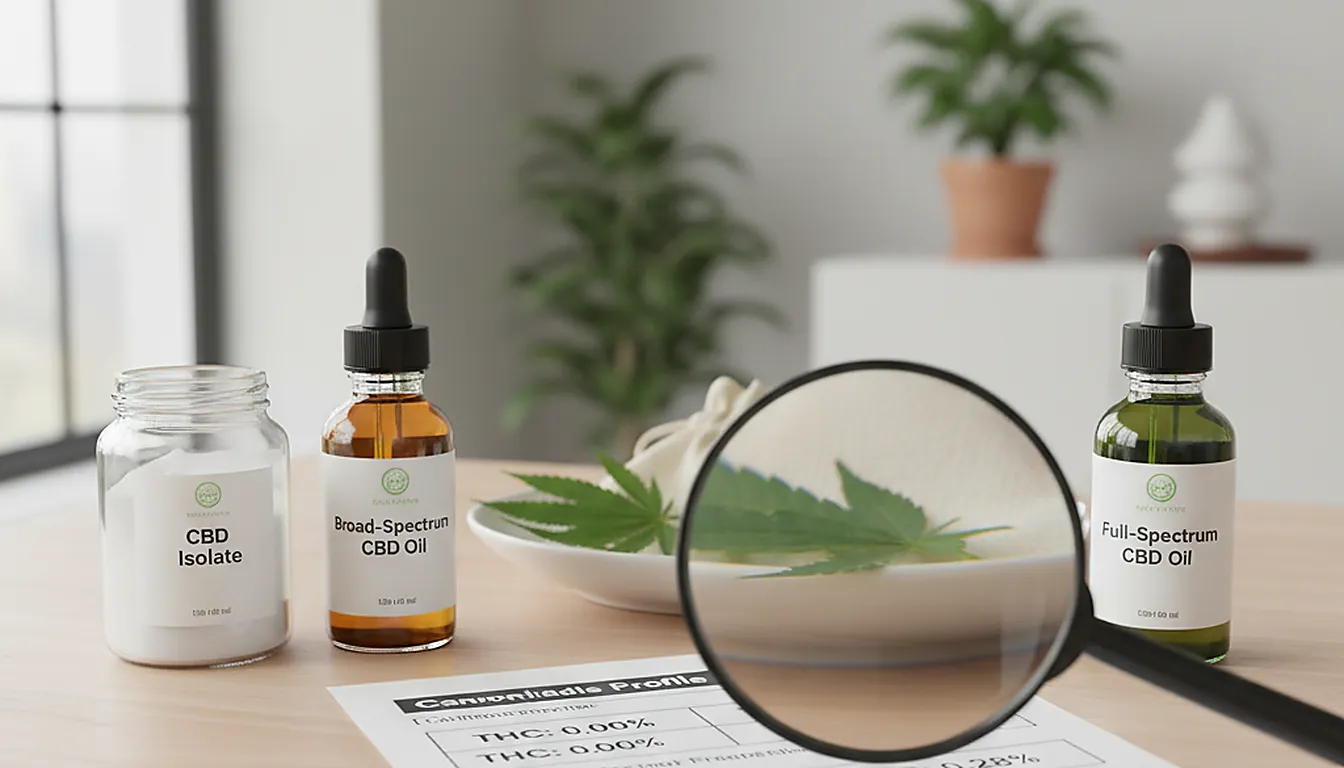
It depends. Most CBD products are derived from hemp and contain less than 0.3% THC, which is the legal limit. However, some drug tests can detect even trace amounts of THC. Full-spectrum CBD products contain trace amounts of THC, while broad-spectrum and CBD isolate products should not. Always check the product’s lab report.
How long does CBD stay in your urine?
CBD itself is usually not tested for in standard drug tests. If THC is a concern due to full-spectrum products, it can potentially be detected in urine for up to 30 days, depending on usage frequency and metabolism.
Can CBD interact with other medications?
Yes, CBD can interact with certain medications, particularly those metabolized by the liver’s cytochrome P450 enzyme system. Consult your doctor or pharmacist to check for potential interactions.
What factors affect how long CBD stays in my system?
Factors include dosage, frequency of use, metabolism, body weight, and the specific CBD product (e.g., tincture, edible, topical).
Does CBD build up in your system?
With regular use, CBD can accumulate in your system. This may lead to more consistent effects over time, but it also means it will take longer to clear from your body if you decide to stop using it.
Final Thoughts: Knowledge is Power
Understanding how long CBD stays in your system is empowering. It allows you to make informed choices about product selection, dosage, and timing, ensuring a safe and effective CBD experience. While it’s not a simple answer, being aware of the factors involved is key to maximizing the benefits of CBD while minimizing potential risks.
Have you experimented with CBD and noticed variations in how long the effects last? Share your experiences in the comments!