Product Comparison
| Product | Price | Coupon | Learn More |
|---|---|---|---|
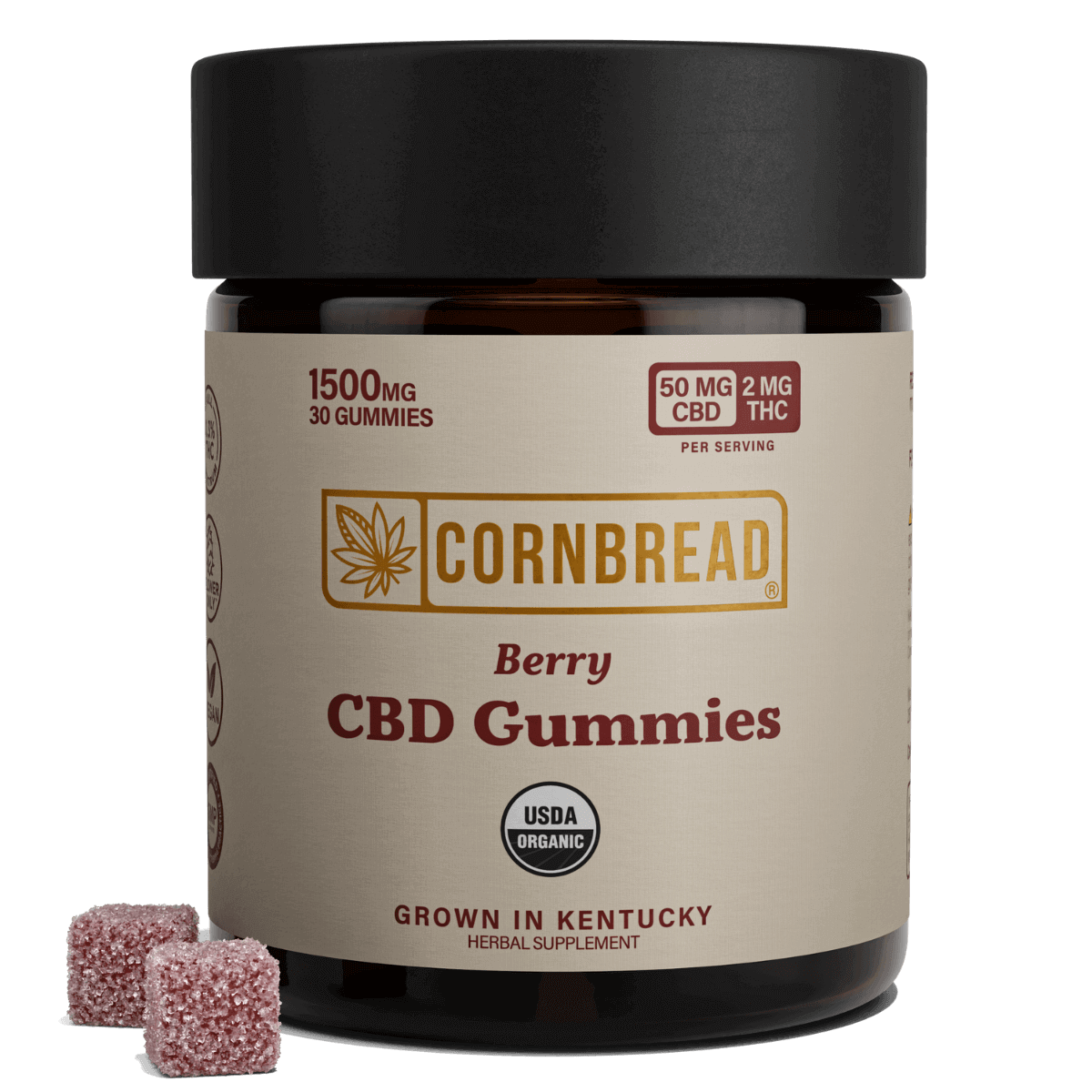 Full Spectrum CBD Gummies Full Spectrum CBD Gummies |
$49.99 | Shop Now | |
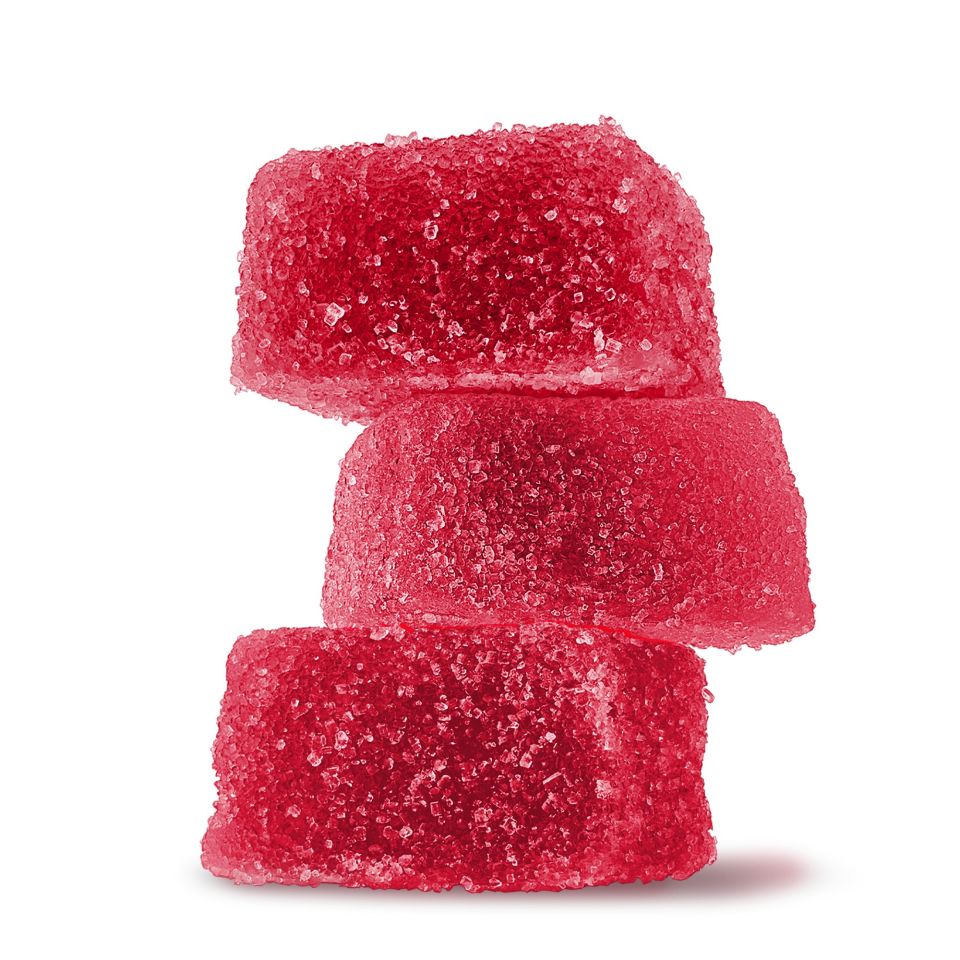 Instant Feeling Nano Gummies – D9, CBC, CBN, CBG Nano – 21mg – Sweet and Sour – D9 THC Instant Feeling Nano Gummies – D9, CBC, CBN, CBG Nano – 21mg – Sweet and Sour – D9 THC |
24.99 | BFCM45 | Shop Now |
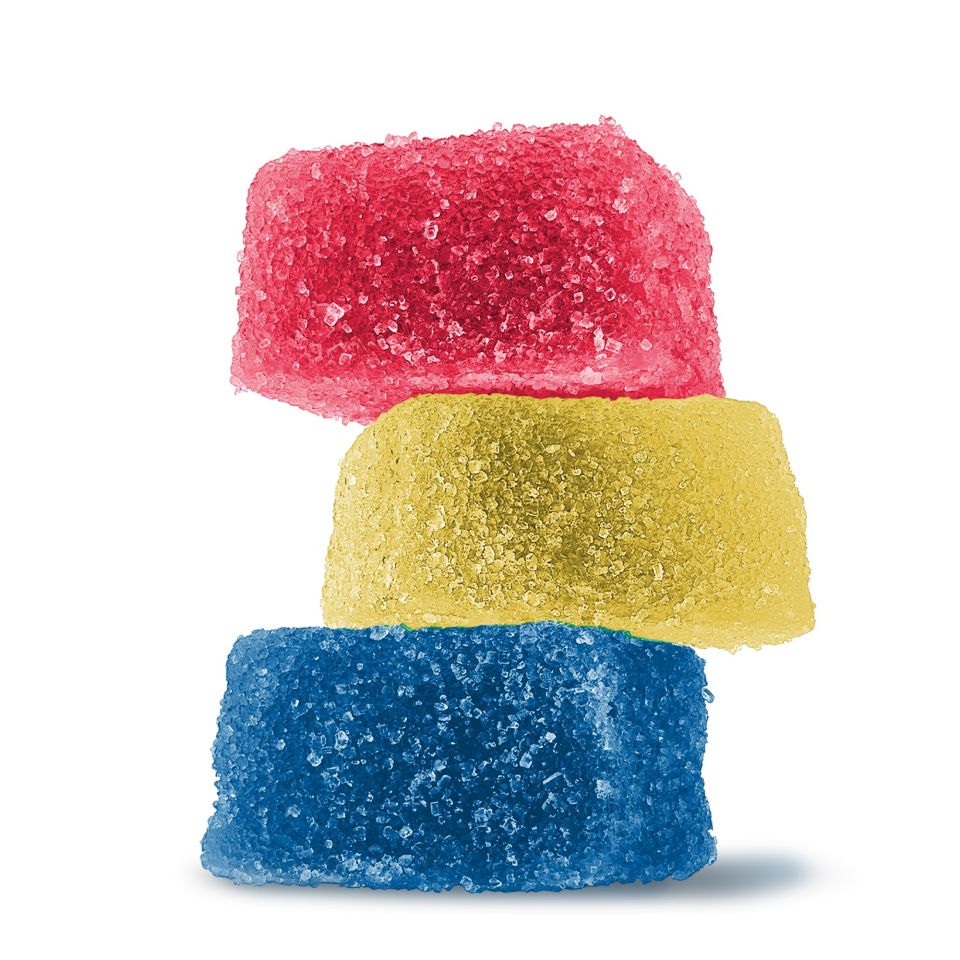 Delta 8 Gummies – 75mg – Tropical Mix – Chill Extreme Delta 8 Gummies – 75mg – Tropical Mix – Chill Extreme |
29.24 | BFCM45 | Shop Now |
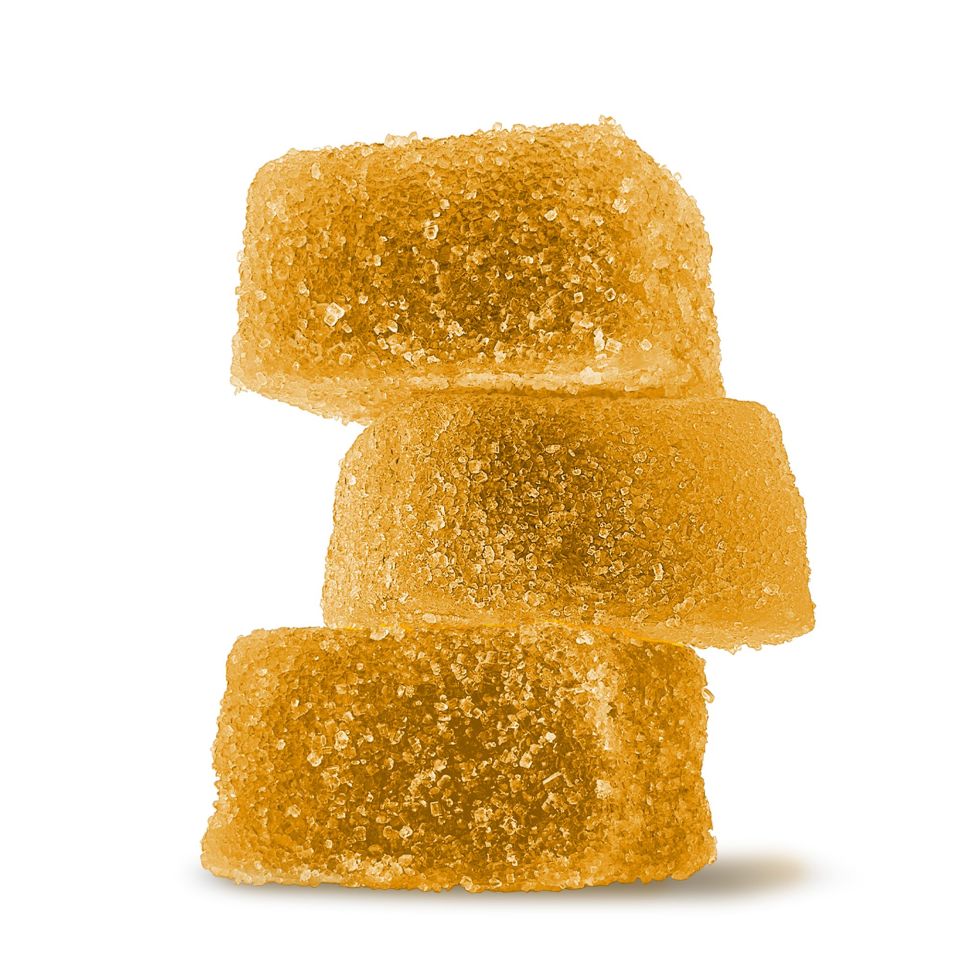 Delta 9 Gummies – 5mg – Mango – Chill Plus Delta 9 Gummies – 5mg – Mango – Chill Plus |
27.49 | BFCM45 | Shop Now |
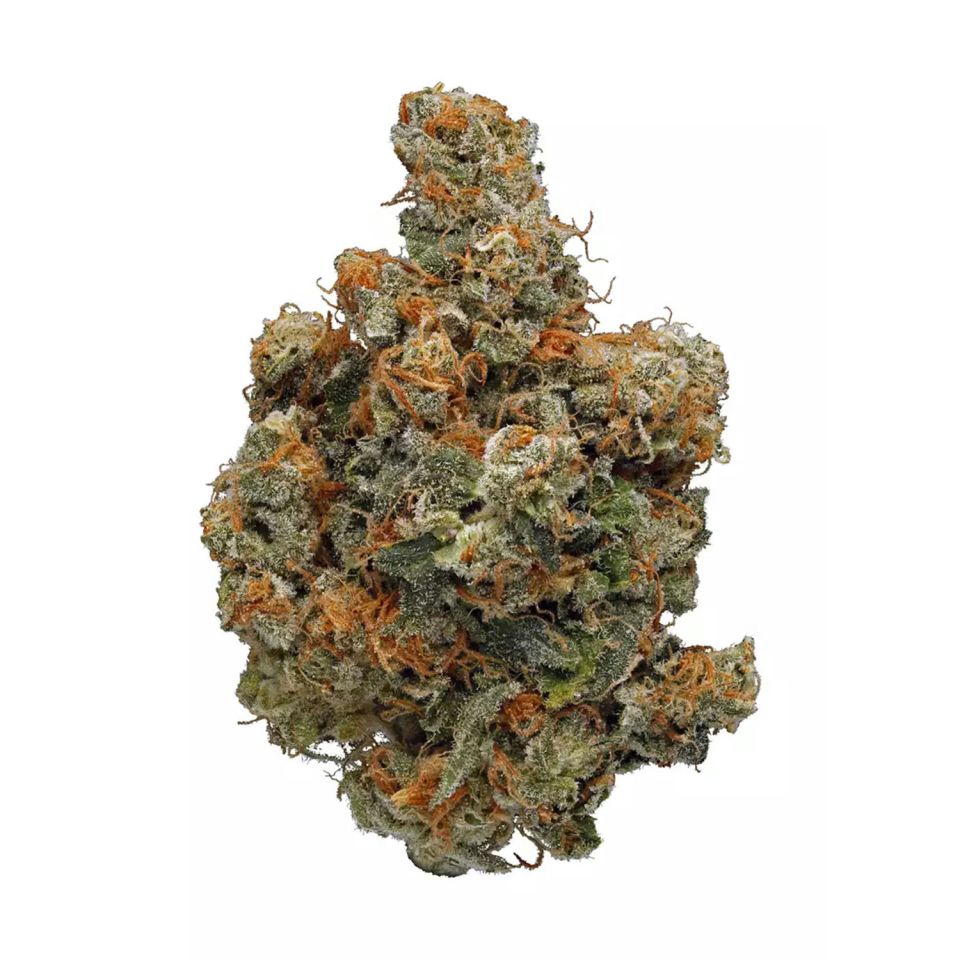
| Corleone Kush Flower – Indica – THCA |
32.98 | BFCM45 | Shop Now |
Corleone Kush Flower – Indica – THCA
- Brand: CBD Mall
- Price: 32.98
- Coupon: BFCM45
Delta 9 Gummies – 5mg – Mango – Chill Plus
- Brand: CBD Mall
- Price: 27.49
- Coupon: BFCM45
Delta 8 Gummies – 75mg – Tropical Mix – Chill Extreme
- Brand: CBD Mall
- Price: 29.24
- Coupon: BFCM45
Instant Feeling Nano Gummies – D9, CBC, CBN, CBG Nano – 21mg – Sweet and Sour – D9 THC
- Brand: CBD Mall
- Price: 24.99
- Coupon: BFCM45
Full Spectrum CBD Gummies
- Brand: Cornbread Hemp®
- Price: $49.99
How CBD Isolate vs. Full Spectrum: The Simple Guide for Beginners Completely Changed My CBD Routine (Honest Review)
Hey, it’s me again – your friend who will try (almost) literally anything if it promises five extra minutes of chill in 2026. Today I’m spilling everything about my journey exploring the world of CBD isolate versus full-spectrum CBD. No sponsored fluff, no fake lab coats. Just my real-life experience after using both for 6 months.
Table of Contents
- Product Comparison
- Corleone Kush Flower – Indica – THCA
- Delta 9 Gummies – 5mg – Mango – Chill Plus
- Delta 8 Gummies – 75mg – Tropical Mix – Chill Extreme
- Instant Feeling Nano Gummies – D9, CBC, CBN, CBG Nano – 21mg – Sweet and Sour – D9 THC
- Full Spectrum CBD Gummies
- Why I Even Started Looking at CBD Isolate vs. Full Spectrum
- First Impressions: The Basics
- My Experiment: Isolate vs. Full-Spectrum
- My Experience with CBD Isolate
- Pros:
- Cons:
Why I Even Started Looking at CBD Isolate vs. Full Spectrum
Quick backstory: My anxiety was through the roof, and my sleep schedule was… well, let’s just say counting sheep wasn’t cutting it. I’d heard about CBD but was totally overwhelmed by all the options. Isolate? Full-spectrum? What did it all mean? I decided to dive in and figure it out.
First Impressions: The Basics
Before I get into my personal experiences, let’s clarify what these terms actually mean:
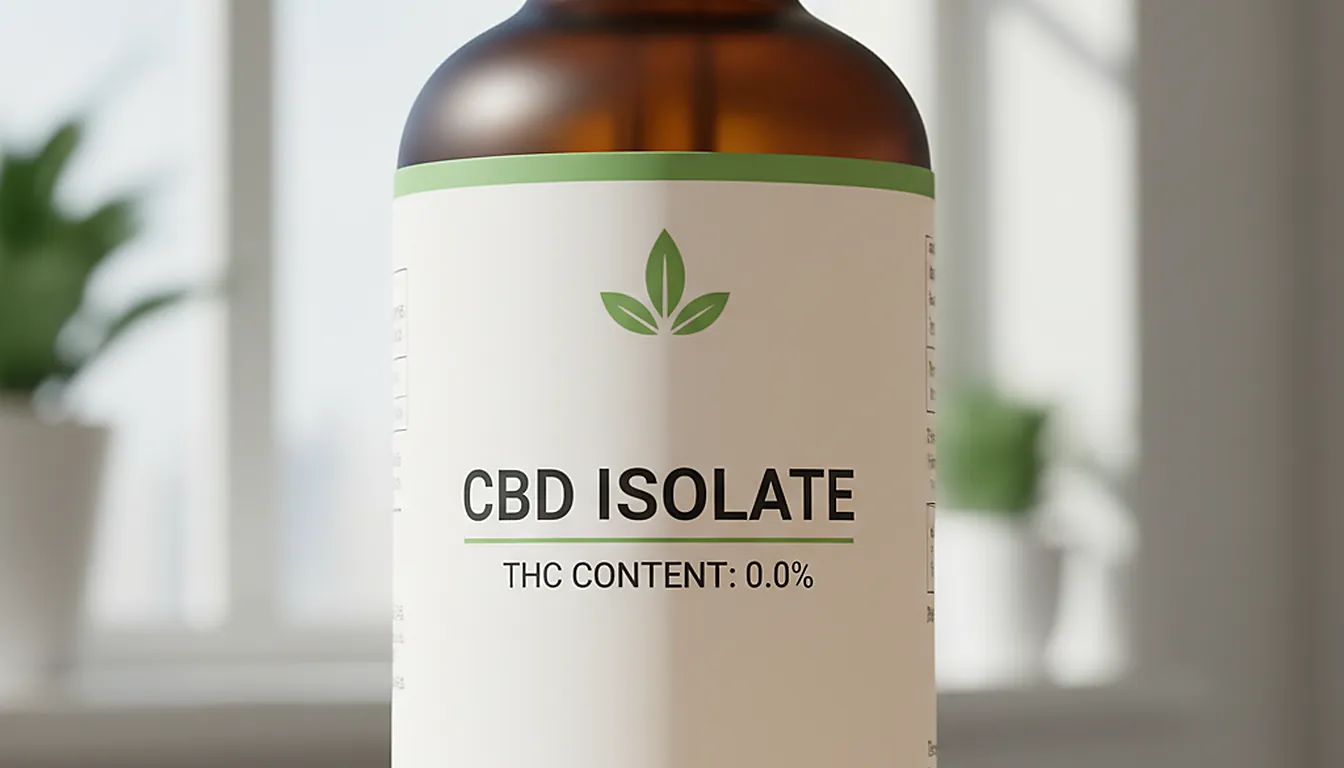
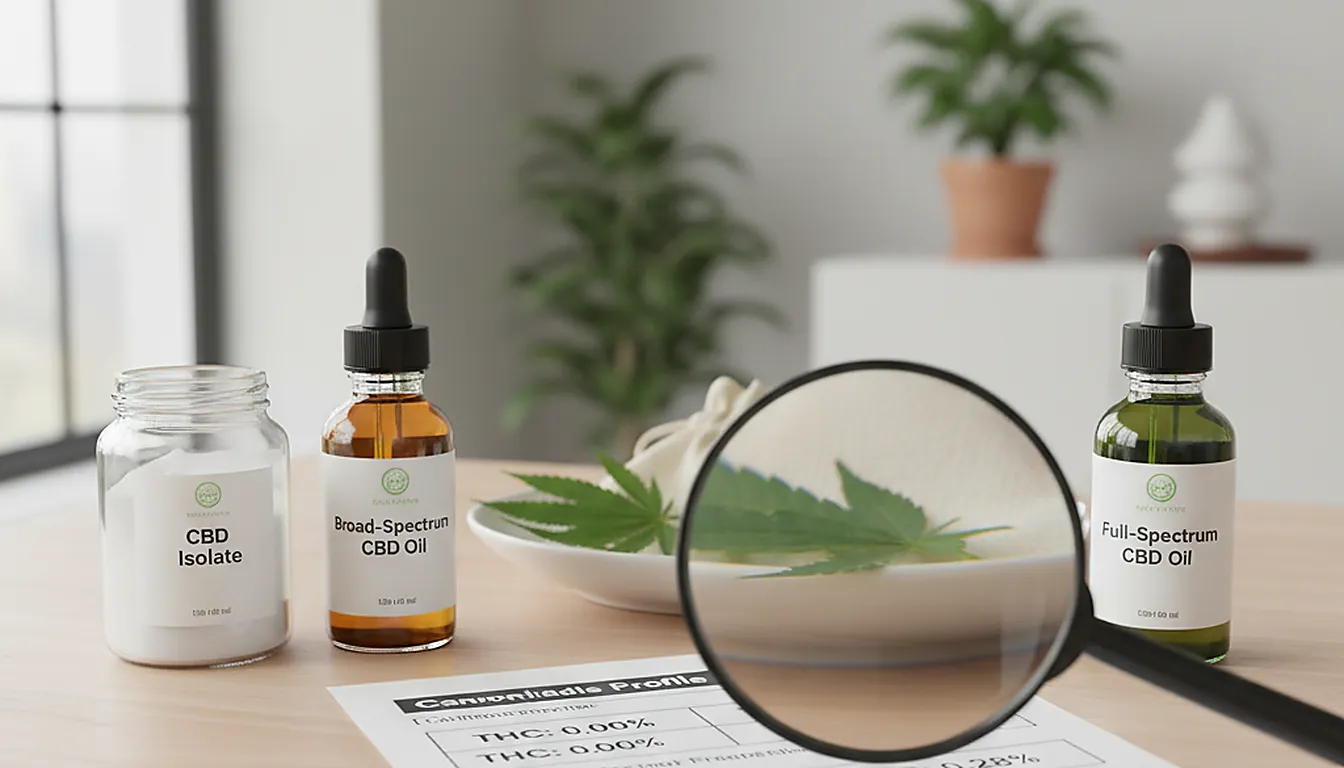
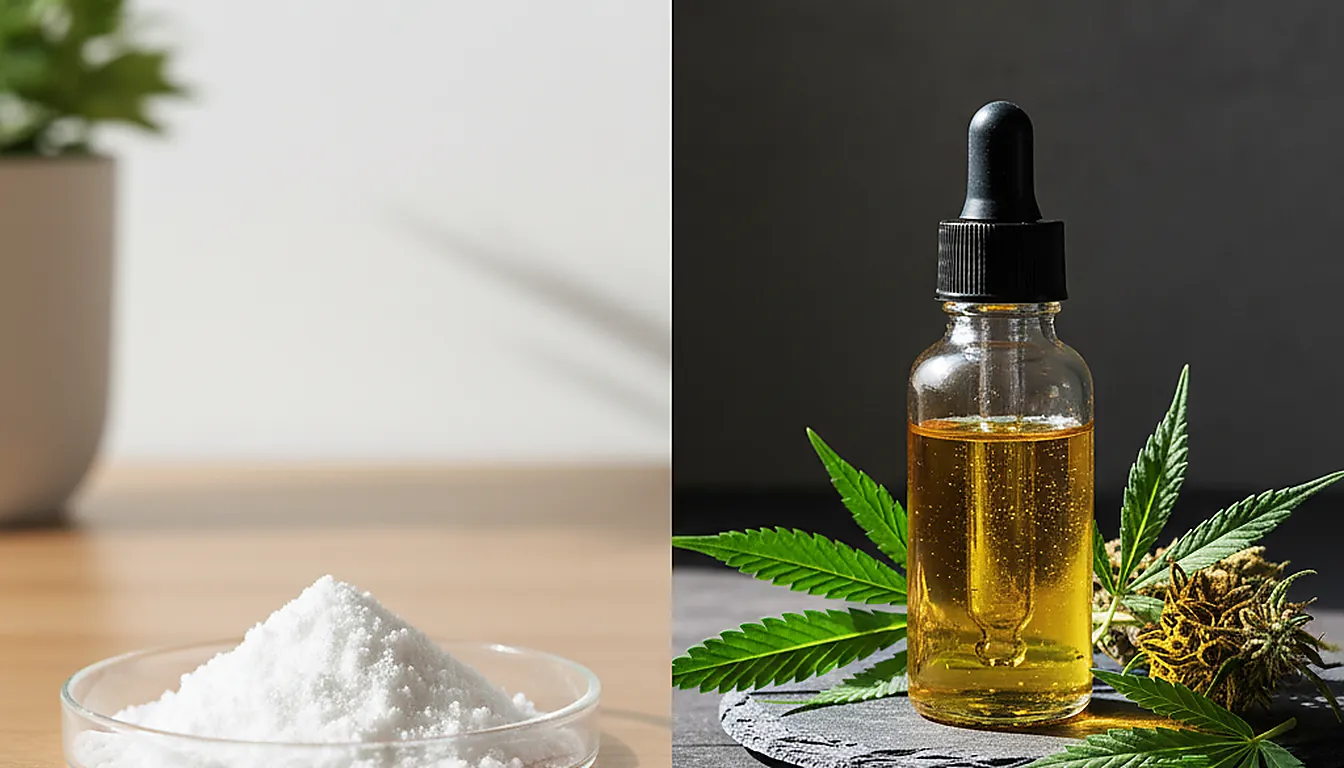
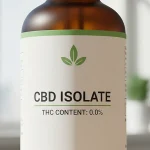
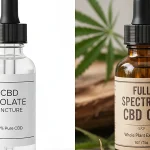
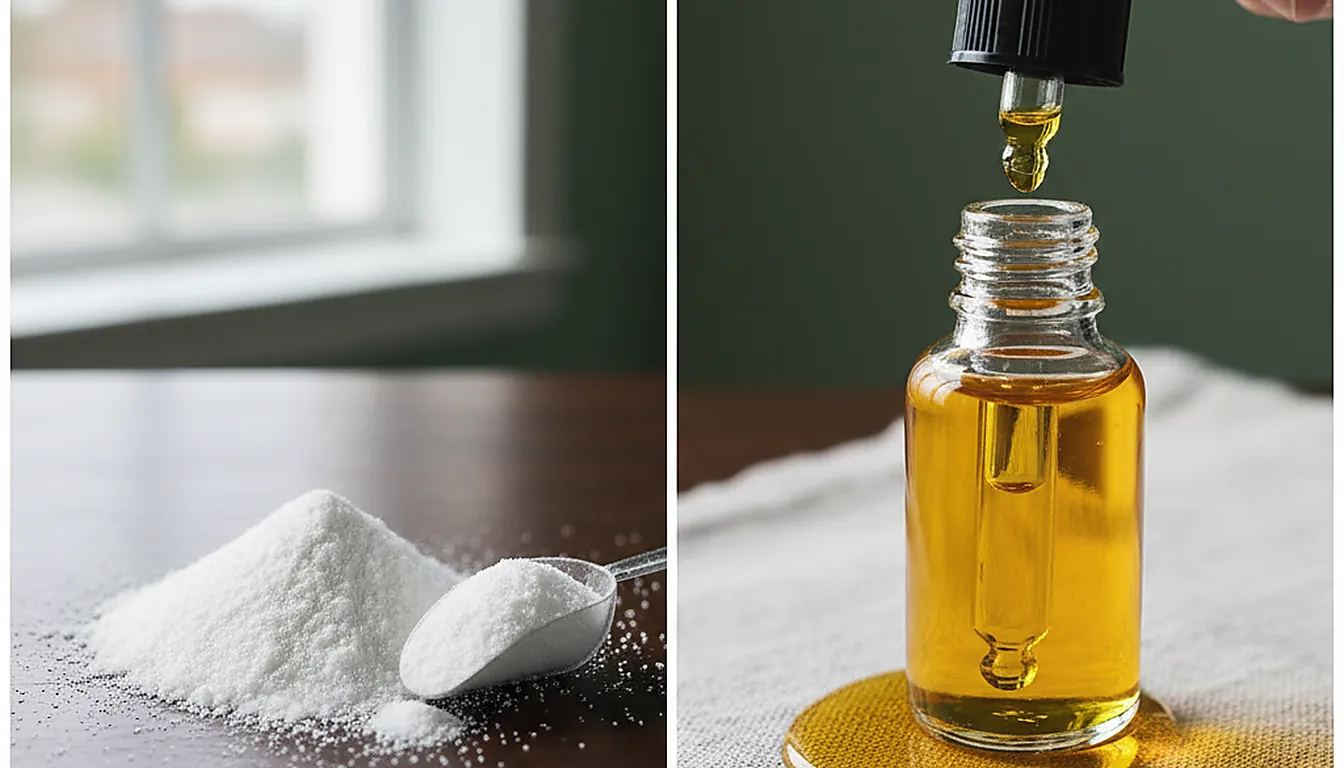
- CBD Isolate: Pure CBD. All other cannabinoids, terpenes, and plant matter have been removed. It’s typically flavorless and odorless.
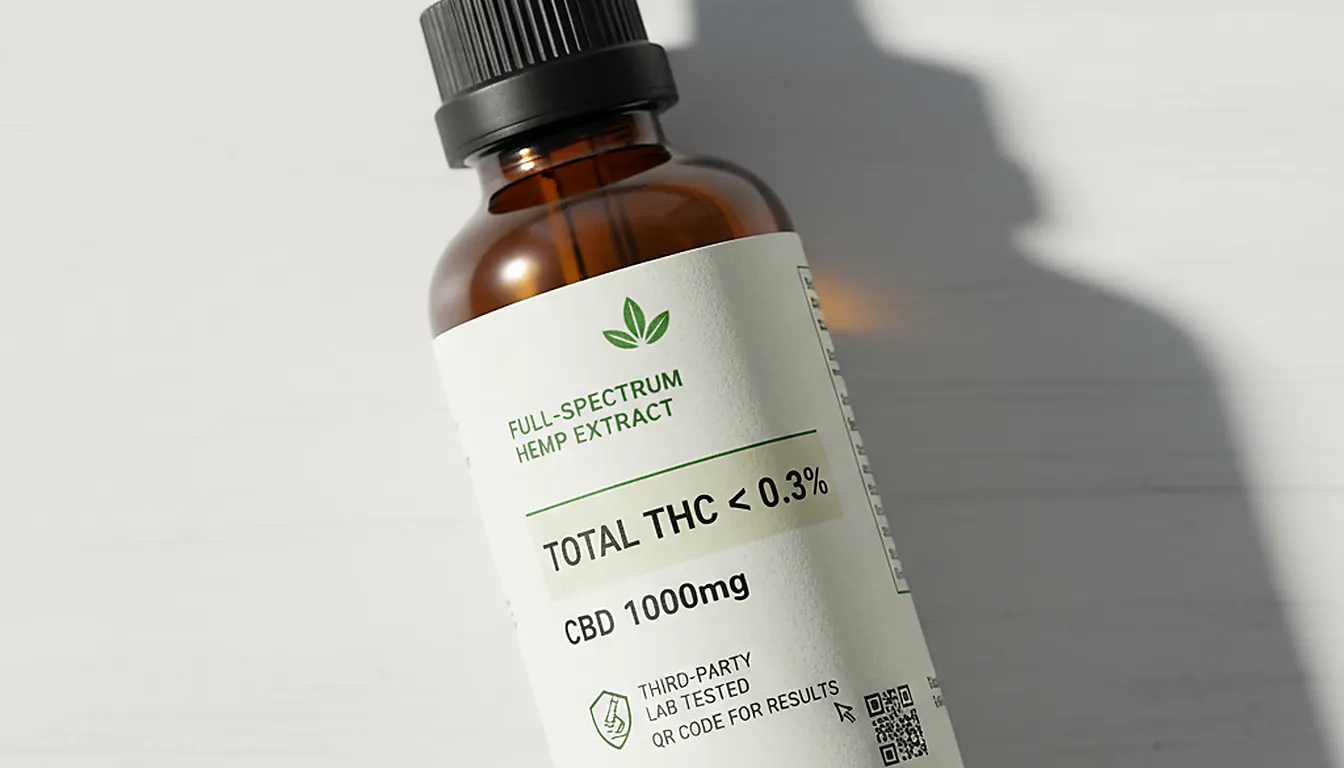
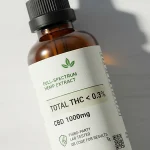
- Full-Spectrum CBD: Contains all the cannabinoids, terpenes, and flavonoids found naturally in the hemp plant, including trace amounts of THC (less than 0.3% as required by law).
My Experiment: Isolate vs. Full-Spectrum
I decided to dedicate 3 months to each type of CBD to really understand the differences. Here’s how I approached it:
- Dosage: Started with a low dose (25mg) and gradually increased until I found what worked for me.
- Delivery Method: Mostly used tinctures for consistent dosing.
- Tracking: Kept a daily journal noting my mood, sleep quality, and any side effects.
My Experience with CBD Isolate
For the first three months, I used CBD isolate. Here’s what I noticed:
Pros:
- Flavorless: Easy to add to drinks or food without altering the taste.
- Consistent Effects: The effects were predictable and reliable.
- Peace of Mind: Knowing there was absolutely no THC was comforting.
Cons:
- Subtle Effects: The effects were less pronounced compared to full-spectrum CBD.
- Less Versatile: Didn’t seem to help with as wide a range of issues.
My Experience with Full-Spectrum CBD
Next up, I switched to full-spectrum CBD. Here’s how it went:
Pros:
- Stronger Effects: I felt a more noticeable reduction in anxiety and better sleep.
- The Entourage Effect: The combination of cannabinoids and terpenes seemed to work synergistically.
- More Benefits: Helped with muscle soreness after workouts.
Cons:
- Earthy Taste: The natural hemp flavor can be off-putting.
- THC Concerns: Even though the THC content is low, some people may be concerned about drug tests.
Comparison Table: CBD Isolate vs. Full-Spectrum
| Feature | CBD Isolate | Full-Spectrum CBD |
|---|---|---|
| Cannabinoids | Pure CBD | CBD, THC (≤0.3%), and other cannabinoids |
| Terpenes | None | Present |
| Flavor | Flavorless | Earthy, hemp-like |
| Effects | Subtle, consistent | Stronger, more versatile |
| THC Content | 0% | ≤0.3% |
| Entourage Effect | No | Yes |
Who Is Each Type Of CBD Best For?
CBD Isolate: Best for those who want to avoid THC completely, are sensitive to flavors, or want predictable effects.
Full-Spectrum CBD: Best for those seeking stronger effects, want the benefits of the entourage effect, and don’t mind the natural hemp flavor.

Back to the flow—this is the practical bit.
My Exact Routine (Adjust to Your Needs)
Now I use both! I use CBD isolate during the day because I like the predictable effects and lack of flavor in my coffee. I use full-spectrum at night to help with sleep.
Morning: 25mg CBD Isolate in coffee
Night: 50mg Full-Spectrum CBD Tincture about an hour before bed
The Downsides (Because They Exist)
- Finding the right dosage takes time and experimentation.
- CBD can be expensive, especially if you need higher doses.
- The effects can vary from person to person.
Who CBD Isolate vs. Full Spectrum Is Actually For
Perfect if you:
• Are curious about CBD and want to explore different options
• Want a natural way to manage stress, anxiety, or sleep issues
• Are looking for an alternative to traditional medications
Probably skip if you:
• Expect instant results without any experimentation
• Are allergic to hemp or have concerns about drug testing
FAQ About CBD Isolate vs. Full Spectrum
Will full-spectrum CBD make me fail a drug test?
It’s unlikely, but possible. Full-spectrum CBD contains trace amounts of THC, which could potentially trigger a positive drug test. If you’re concerned, stick with CBD isolate.
How much CBD should a beginner start with?
Start with a low dose (10-25mg) and gradually increase until you find what works for you. It’s best to start low and go slow.
Does CBD actually help with anxiety and sleep?
In my experience, yes. Both CBD isolate and full-spectrum CBD helped reduce my anxiety and improve my sleep quality. However, individual results may vary.
Are there any side effects of CBD?
Some people may experience mild side effects such as drowsiness, dry mouth, or changes in appetite. However, CBD is generally considered safe.
Where can I buy quality CBD products?
Look for reputable brands that provide third-party lab testing to ensure purity and potency. Some popular brands include Charlotte’s Web and Lazarus Naturals. Always check the lab reports before purchasing.
Final Verdict: Would I Keep Using It?
Absolutely. Both CBD isolate and full-spectrum CBD have become valuable tools in my wellness routine. I use them to manage my anxiety, improve my sleep, and promote overall relaxation. Understanding the differences between them has allowed me to tailor my CBD usage to my specific needs.
If you’re considering trying CBD, I encourage you to explore both isolate and full-spectrum options. Experiment to find what works best for you and your body. Everyone is different!