
Product Comparison
| Product | Price | Coupon | Learn More |
|---|---|---|---|
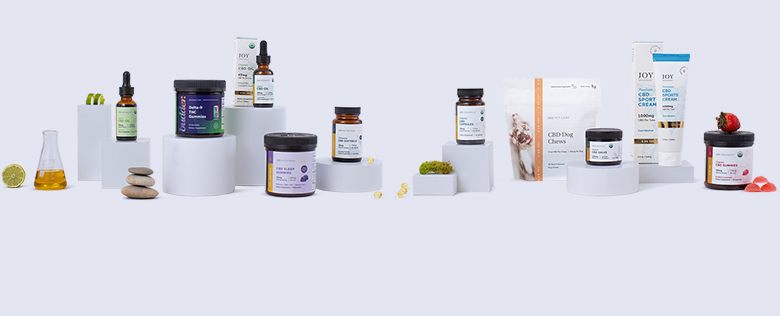 CBD Topicals CBD Topicals |
$49.95 | BFCM2025 | Shop Now |
| Organic CBD Tinctures |
$59.95 | BFCM2025 | Shop Now |
| Shop Premium Organic CBD Gummies |
$39.95 | BFCM2025 | Shop Now |
| CBD Softgels & Capsules |
$39.95 | BFCM2025 | Shop Now |
| Shop Delta 9 Gummies |
$49.95 | BFCM2025 | Shop Now |
Shop Delta 9 Gummies
- Brand: Joy Organics
- Price: $49.95
- Coupon: BFCM2025
CBD Softgels & Capsules
- Brand: Joy Organics
- Price: $39.95
- Coupon: BFCM2025
Shop Premium Organic CBD Gummies
- Brand: Joy Organics
- Price: $39.95
- Coupon: BFCM2025
Organic CBD Tinctures
- Brand: Joy Organics
- Price: $59.95
- Coupon: BFCM2025
CBD Topicals
Brand: Joy Organics
Price: $49.95
Coupon: BFCM2025
How What Does CBD Actually Feel Like? (A Non-Medical Explanation) Completely Changed My Daily Routine (Honest Review)
Let’s be real – the world of CBD can feel overwhelming. From oils and gummies to creams and capsules, it’s hard to know where to start, or even what to expect. I’ve been a regular CBD user for a while, primarily for managing everyday stresses. However, I recently started focusing on understanding “What Does CBD Actually Feel Like? (A Non-Medical Explanation)” to gain a deeper understanding of its effects.
Table of Contents
- Product Comparison
- Shop Delta 9 Gummies
- CBD Softgels & Capsules
- Shop Premium Organic CBD Gummies
- Organic CBD Tinctures
- CBD Topicals
- My CBD Journey: Finding Clarity
- The Experiment: Mindful CBD Consumption
- The Subtle Shifts: More Than Just Relaxation
- Is CBD Right for You?
- Final Thoughts
- Frequently Asked Questions
My CBD Journey: Finding Clarity
For a long time, my experience with CBD was ‘subtle.’ I knew it was *helping* in some way, but I couldn’t pinpoint exactly how. I decided to change my focus and pay close attention to “What Does CBD Actually Feel Like? (A Non-Medical Explanation)”.
The Experiment: Mindful CBD Consumption
Instead of just taking CBD and going about my day, I started journaling. I documented my mood, energy levels, and any physical sensations before and after taking CBD. This is what I discovered…
The Subtle Shifts: More Than Just Relaxation
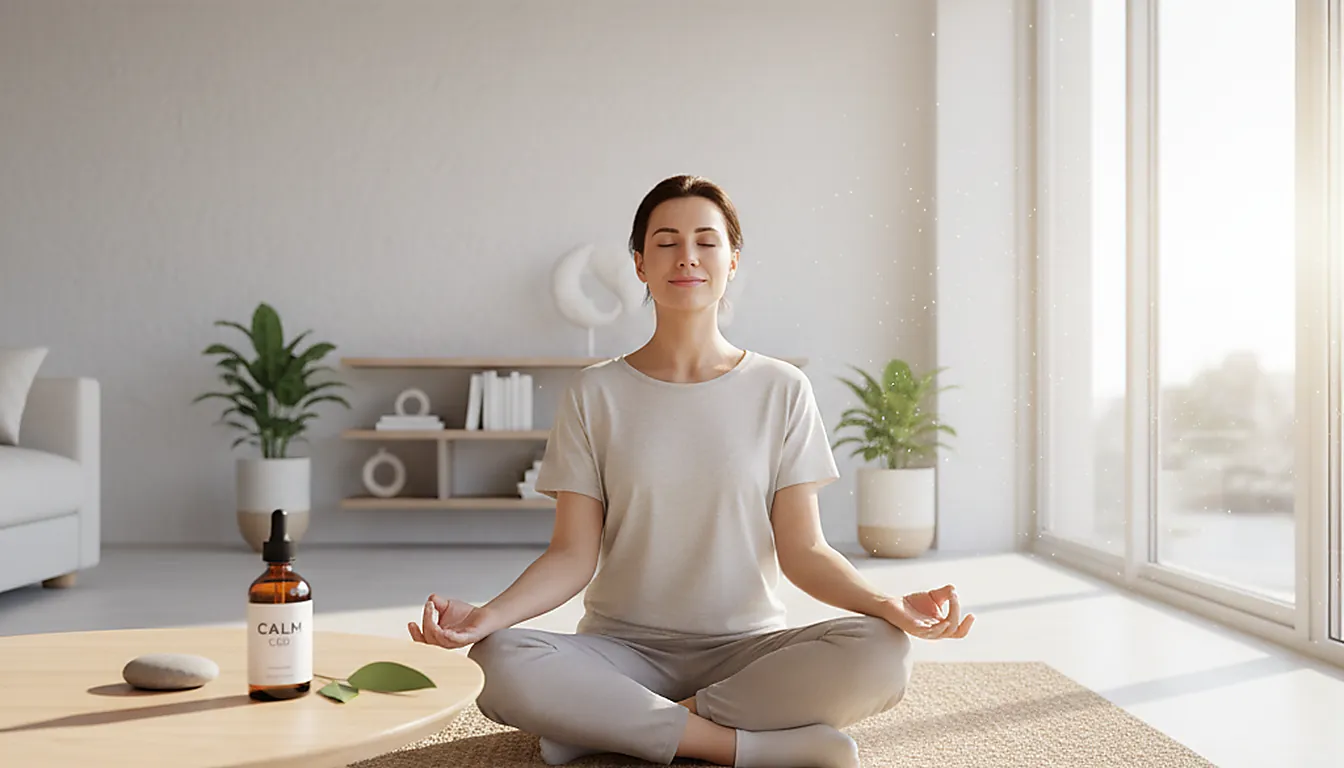
Here’s the honest truth: CBD doesn’t produce a dramatic ‘high’ or a feeling of intense relaxation. It’s more about a gentle easing of tension. Here’s what I noticed:
- Reduced Anxiety: My thoughts were less scattered, and I felt a greater sense of calm, particularly in stressful situations.
- Improved Focus: My focus and concentration were significantly better.
- Better Sleep: I noticed an easier time falling asleep and staying asleep throughout the night.
Is CBD Right for You?
If you’re looking for a natural way to manage stress, improve focus, or support sleep, CBD might be worth exploring. However, it’s crucial to remember that everyone’s experience is different. Start with a low dose, be patient, and listen to your body.
FAQ About What Does CBD Actually Feel Like? (A Non-Medical Explanation)
Can CBD make you feel high?
No, CBD is non-intoxicating and won’t produce a “high” feeling. It interacts with the body’s endocannabinoid system, which regulates various functions, including mood, pain, and sleep.
How long does it take for CBD to work?
The onset of effects can vary depending on the method of consumption. Oils and tinctures taken sublingually (under the tongue) typically work faster than edibles, such as gummies, which need to be digested. Generally, you may start to feel the effects within 30 minutes to an hour.
What’s the right CBD dosage for me?
Dosage is highly individual. It’s best to start with a low dose (e.g., 5-10mg) and gradually increase it until you achieve the desired effect. Factors like body weight, metabolism, and the severity of your symptoms can influence the ideal dosage.
Are there any side effects of CBD?
CBD is generally well-tolerated, but some people may experience mild side effects, such as dry mouth, drowsiness, or changes in appetite. These side effects are usually temporary and can be minimized by adjusting the dosage.
Back to the flow—this is the practical bit.
Will CBD show up on a drug test?
Most standard drug tests screen for THC, the psychoactive compound in cannabis. High-quality CBD products should contain less than 0.3% THC, which is unlikely to trigger a positive result. However, it’s important to choose reputable brands and review the product’s certificate of analysis (COA) to ensure purity and potency.
Final Thoughts
Exploring “What Does CBD Actually Feel Like? (A Non-Medical Explanation)” has deepened my understanding and appreciation for its subtle, yet impactful benefits. It’s not a miracle cure, but it can be a valuable tool for managing stress, improving focus, and promoting overall well-being. Remember to approach CBD with mindfulness and patience, and you may be pleasantly surprised by the results.
Frequently Asked Questions
Can CBD make you feel high?
No, CBD is non-intoxicating and won’t produce a “high” feeling. It interacts with the body’s endocannabinoid system.
How long does it take for CBD to work?
The onset of effects can vary depending on the method of consumption. Generally, you may start to feel the effects within 30 minutes to an hour.
What’s the right CBD dosage for me?
Dosage is highly individual. It’s best to start with a low dose (e.g., 5-10mg) and gradually increase it until you achieve the desired effect.
Are there any side effects of CBD?
CBD is generally well-tolerated, but some people may experience mild side effects, such as dry mouth or drowsiness. These side effects are usually temporary.
Will CBD show up on a drug test?
High-quality CBD products should contain less than 0.3% THC, which is unlikely to trigger a positive result. However, it’s important to choose reputable brands.