How to Read a CBD Lab Report (COA) Like a Pro: Your Comprehensive Guide
So, you’re diving into the world of CBD, which is awesome! But then you stumble upon a “COA” or lab report and suddenly feel like you need a chemistry degree. Don’t worry, friend! This guide will break down how to read a CBD lab report (COA) like a pro, so you can confidently choose safe, high-quality products. No more head-scratching, just straight facts and feel-good CBD.
Table of Contents
- Why Understanding CBD Lab Reports Matters
- Decoding the CBD Lab Report: A Step-by-Step Guide
- Step 1: Find the COA
- Step 2: Verify the Lab
- Step 3: Check the Cannabinoid Profile
- Step 4: Look for Contaminant Testing
- Step 5: Review the Date
- Common Pitfalls and How to Avoid Them
- Checklist for Reading a CBD Lab Report (COA)
- Real World Examples
- Quick Summary
- Related Posts You’ll Probably Like
Why Understanding CBD Lab Reports Matters
Think of a CBD lab report (COA) as a product’s resume. It tells you exactly what’s inside that bottle and whether it’s safe to put into your body. Reputable CBD companies use third-party labs to test their products and provide these reports to consumers. This transparency builds trust and ensures you’re getting what you pay for.
Decoding the CBD Lab Report: A Step-by-Step Guide
Step 1: Find the COA
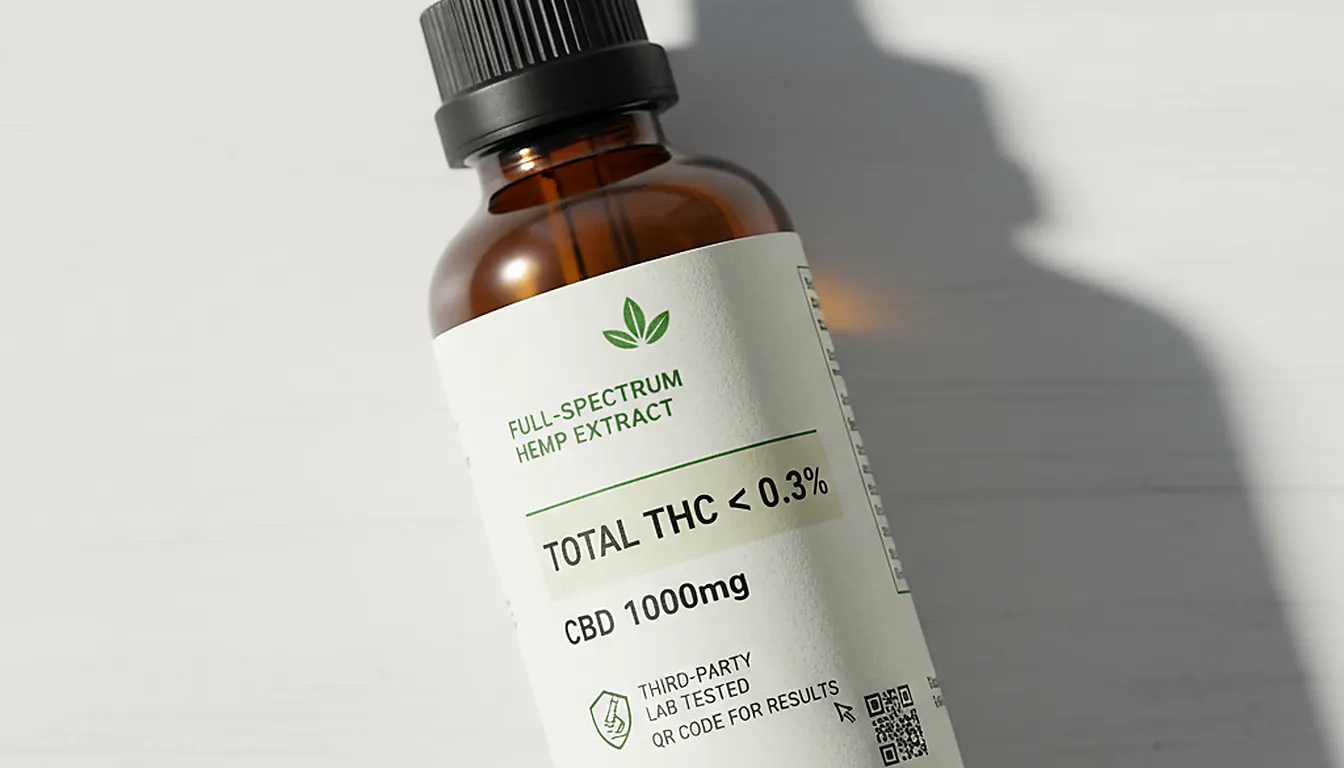
Usually, you can find the COA on the CBD company’s website, often on the product page itself, or in a dedicated “Lab Results” or “Transparency” section. Some companies also include a QR code on the product label that links directly to the COA.
Step 2: Verify the Lab
Make sure the lab that performed the testing is a third-party, ISO-certified lab. This means the lab is independent and meets specific quality standards. Look for the lab’s name and any certifications on the report.
Step 3: Check the Cannabinoid Profile
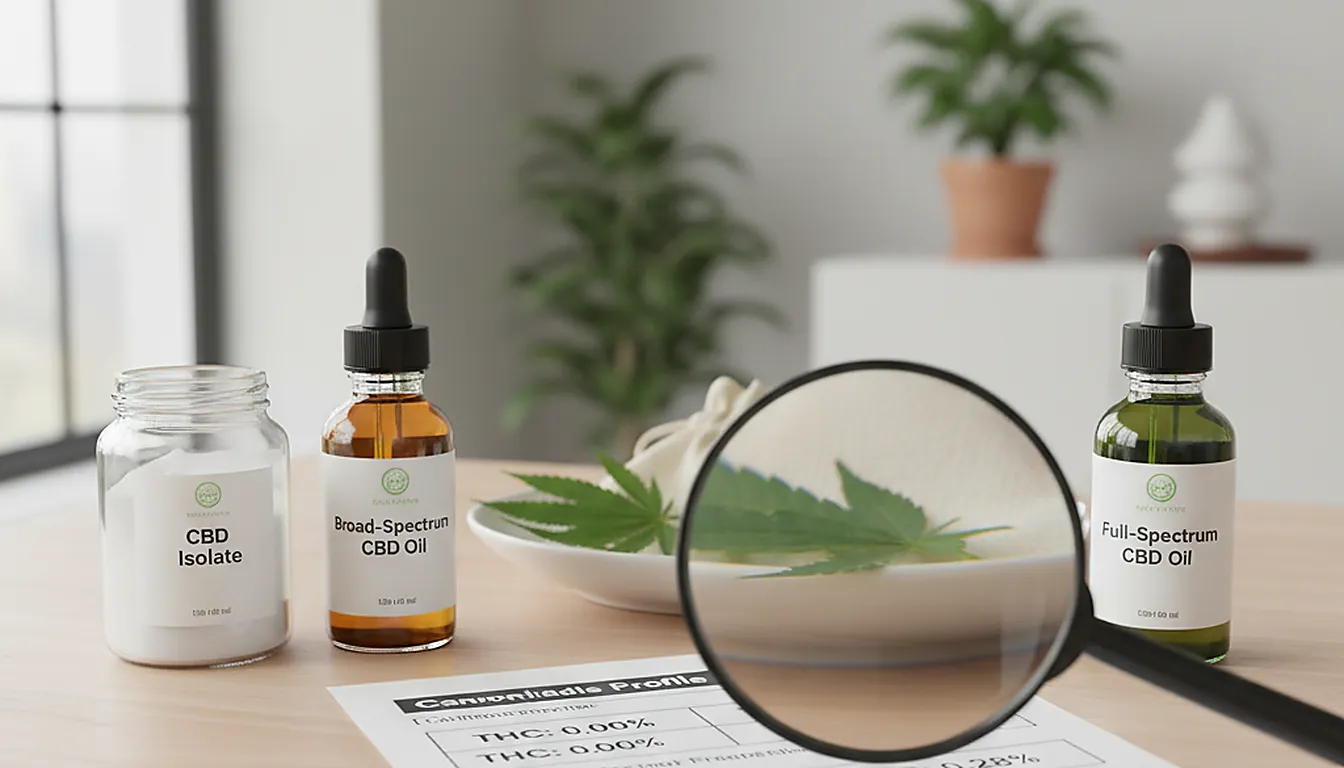
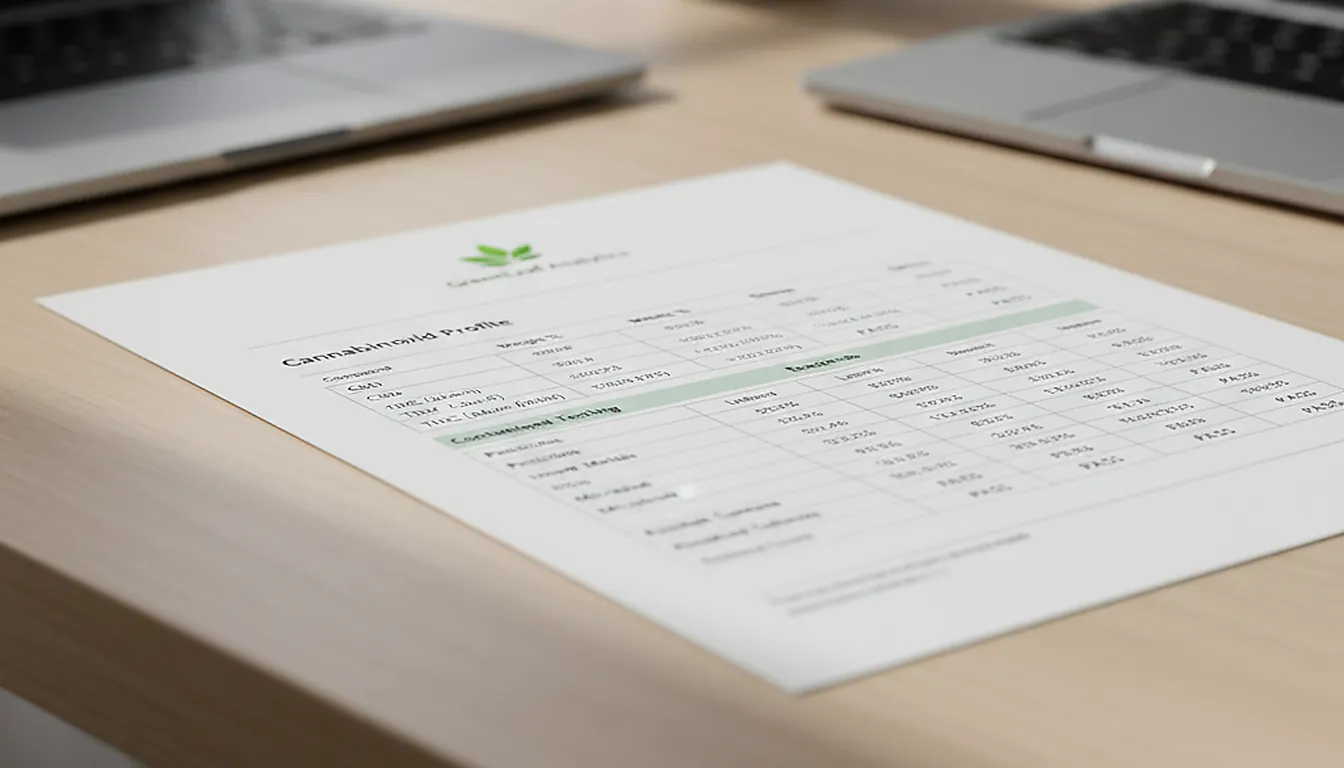
This section tells you the amount of each cannabinoid (like CBD, THC, CBG, etc.) present in the product. Pay close attention to the CBD content. Is it close to what’s advertised on the label? Also, check the THC level. For CBD products to be legal at the federal level in the US, they must contain less than 0.3% THC.
Step 4: Look for Contaminant Testing
A good COA will also include testing for contaminants like:
- Heavy Metals: Lead, arsenic, mercury, etc.
- Pesticides: Chemicals used in growing hemp.
- Residual Solvents: Chemicals used in the extraction process.
- Microbial Contaminants: Bacteria, mold, and yeast.
These tests should show that the product is below the acceptable limits for each contaminant.
Step 5: Review the Date
CBD products have a shelf life. Make sure the COA is recent, ideally within the last year. An older COA may not accurately reflect the current composition of the product.
Common Pitfalls and How to Avoid Them
- Missing COA: If a company doesn’t provide a COA, that’s a huge red flag.
- Fake COA: Verify the lab that performed the testing. Do they exist? Can you find their contact information online?
- Incomplete COA: A COA should include both cannabinoid profiles and contaminant testing. If it’s missing either, be cautious.
- High THC Levels: Ensure the THC level is below 0.3% to avoid legal issues and unwanted psychoactive effects.
Checklist for Reading a CBD Lab Report (COA)
- [x] COA is easily accessible
- [x] Testing lab is third-party and ISO-certified
- [x] Cannabinoid profile matches the product label
- [x] THC level is below 0.3%
- [x] Contaminant testing is included
- [x] Contaminant levels are within acceptable limits
- [x] COA is recent
Real World Examples
Many popular brands like Charlotte’s Web, Cornbread Hemp, and Lazarus Naturals make their COAs easily accessible. Visit their websites to see examples of what a good lab report looks like. You’ll typically find these reports directly linked on product pages, or within a dedicated section of their site focused on transparency and lab results.
If you’re like me, you’ll appreciate this detail.
Quick Summary
Reading a CBD lab report (COA) might seem intimidating at first, but it’s a crucial step in choosing safe and effective CBD products. By following this guide, you can confidently decode those reports and make informed decisions about your CBD journey. Remember, transparency is key! Choose companies that prioritize testing and make their lab results readily available.
FAQ About How to Read a CBD Lab Report (COA) Like a Pro
Why is it important for a CBD lab to be third-party?
Third-party labs are independent and unbiased. They have no financial incentive to skew the results, ensuring that the COA accurately reflects the product’s composition and safety.
What does “ISO-certified” mean for a CBD testing lab?
ISO certification means the lab meets international standards for quality management and testing procedures. This ensures consistent and reliable results.
What are acceptable limits for heavy metals in a CBD product?
Acceptable limits for heavy metals vary depending on the specific metal and the regulatory guidelines. The COA should state the specific limits and show that the product is below those limits.
How often should CBD products be tested?
Ideally, each batch of CBD products should be tested. This ensures consistent quality and safety. Look for batch-specific COAs on the company’s website.
What should I do if I can’t find a COA for a CBD product I’m interested in?
Contact the company and ask for the COA. If they can’t or won’t provide it, it’s best to choose a different product from a more transparent company.
Related Posts You’ll Probably Like
Frequently Asked Questions
Why is it important for a CBD lab to be third-party?
Third-party labs are independent and unbiased. They have no financial incentive to skew the results, ensuring that the COA accurately reflects the product’s composition and safety.
What does “ISO-certified” mean for a CBD testing lab?
ISO certification means the lab meets international standards for quality management and testing procedures. This ensures consistent and reliable results.
What are acceptable limits for heavy metals in a CBD product?
Acceptable limits for heavy metals vary depending on the specific metal and the regulatory guidelines. The COA should state the specific limits and show that the product is below those limits.
How often should CBD products be tested?
Ideally, each batch of CBD products should be tested. This ensures consistent quality and safety. Look for batch-specific COAs on the company’s website.
What should I do if I can’t find a COA for a CBD product I’m interested in?
Contact the company and ask for the COA. If they can’t or won’t provide it, it’s best to choose a different product from a more transparent company.