How No, CBD Will Not Get You “High” (Here’s Why) Completely Changed My cbd Routine (Honest Review)
Hey, it’s me again – your friendly neighborhood CBD enthusiast. For years, I’ve navigated the world of cannabidiol, reaping its potential benefits for relaxation and focus. But there’s one question that constantly pops up: “Will CBD get me high?” Today, I’m tackling this head-on. No sponsored fluff, no confusing jargon. Just my honest experience and a bit of science to explain why No, CBD Will Not Get You “High” (Here’s Why).
Table of Contents
- Why This Misconception Matters
- My Personal Journey: Always Grounded, Never “High”
- The Science Behind It: CBD vs. THC
- What About Full-Spectrum CBD?
- My CBD Routine: How I Use It Daily
- Lab Testing: Proof in the Pudding
- The Downsides (Let’s Be Real)
- Who CBD Is Actually For
- Final Verdict: Busting the Myth
- Related Posts You’ll Probably Like
- Frequently Asked Questions
- What is the main difference between CBD and THC?
Why This Misconception Matters
The fear of getting “high” from CBD prevents many people from even trying it. They might be missing out on a natural way to manage stress, improve sleep, or ease discomfort. This myth is harmful, plain and simple.
My Personal Journey: Always Grounded, Never “High”
I started using CBD for . I was initially worried about the “high” feeling, but after doing my research and trying it myself, I quickly realized it wasn’t an issue. In fact, CBD helped me feel *more* grounded and present, not spaced out. I use various CBD products daily from brands like CBDFx and Charlotte’s Web. None of them have ever caused any psychoactive effects.
The Science Behind It: CBD vs. THC
Here’s the key difference: CBD and THC are different compounds. THC is the psychoactive compound in cannabis that *does* get you high. CBD, on the other hand, interacts with your body’s endocannabinoid system differently. It doesn’t bind directly to the same receptors as THC, which is why it doesn’t produce a high.
According to a report by the World Health Organization (WHO), “In humans, CBD exhibits no effects indicative of any abuse or dependence potential…. To date, there is no evidence of public health related problems associated with the use of pure CBD.”
What About Full-Spectrum CBD?
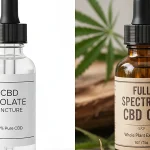
Full-spectrum CBD products *do* contain trace amounts of THC (less than 0.3% by law). However, this amount is far too low to cause any psychoactive effects. Think of it like this: you can eat poppy seeds on a bagel without getting an opiate effect. The trace amounts are negligible.
My CBD Routine: How I Use It Daily
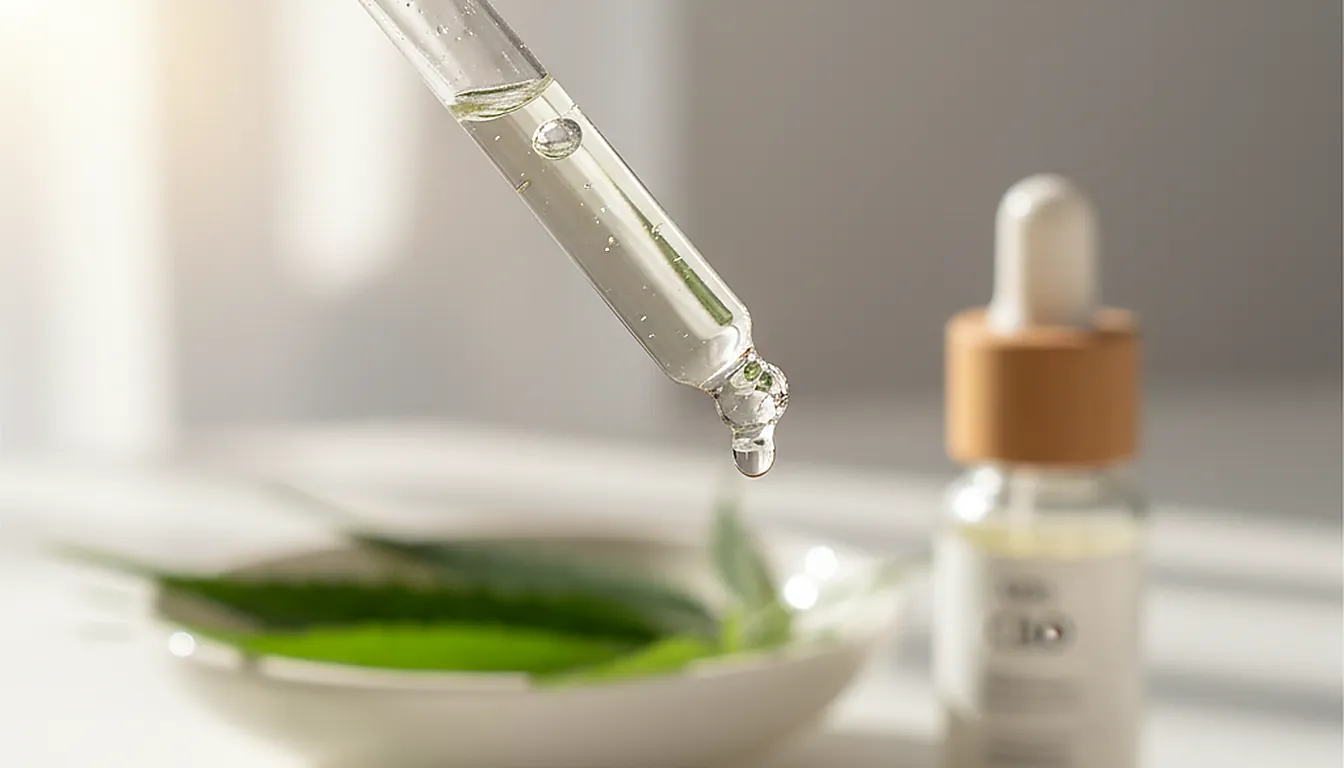
Morning: CBD oil tincture (Medterra is my go-to) under the tongue for focus and calm.
Evening: CBD gummies (CBDFx CBD + CBN Gummies for Sleep) to wind down before bed.
Throughout the day: CBD cream (Lazarus Naturals) for muscle soreness after workouts.
Lab Testing: Proof in the Pudding
Always choose CBD products that have been third-party lab tested. This ensures that the product contains the amount of CBD it claims and that it’s free of contaminants. Reputable brands like Cornbread Hemp and Joy Organics make these results readily available.
The Downsides (Let’s Be Real)
- CBD can be expensive.
- The quality of CBD products varies widely, so do your research.
- It may interact with certain medications (consult your doctor).
Who CBD Is Actually For
Perfect if you:
• Are looking for natural ways to manage stress and anxiety.
• Want to improve your sleep quality.
• Need relief from muscle soreness or joint pain.
Probably skip if you:
• Are looking for a recreational high.
• Are allergic to cannabis or hemp.
• Are taking medications that may interact with CBD.
FAQ About No, CBD Will Not Get You “High” (Here’s Why)
Honestly, it’s a tiny tweak—with a steady payoff.
Will CBD make me fail a drug test?
It’s unlikely, but possible. Most drug tests screen for THC. If a CBD product contains trace amounts of THC (less than 0.3%), it could potentially trigger a positive result. Choose broad-spectrum or isolate CBD products to minimize this risk.
How much CBD should a beginner start with?
Start with a low dose (e.g., 10-20mg) and gradually increase until you find the dosage that works for you. Everyone’s body is different, so it’s important to experiment.
Does CBD actually help with anxiety?
Many people find that CBD helps to reduce anxiety symptoms. Research is ongoing, but some studies suggest that CBD may have anti-anxiety effects.
Any weird side effects?
Side effects are rare, but some people may experience drowsiness, dry mouth, or changes in appetite.
Is CBD legal?
CBD derived from hemp is federally legal in the United States, as long as it contains less than 0.3% THC. However, state laws may vary, so it’s important to check your local regulations.
Final Verdict: Busting the Myth
No, CBD Will Not Get You “High” (Here’s Why). It’s a myth that needs to be put to rest. CBD offers potential therapeutic benefits without the psychoactive effects of THC. Choose reputable brands, do your research, and listen to your body. CBD has become a valuable part of my wellness routine and has the potential to help you too!
Have you tried CBD? What are your experiences? Share your stories in the comments below!
Related Posts You’ll Probably Like
Frequently Asked Questions
What is the main difference between CBD and THC?
THC is the psychoactive compound in cannabis that gets you high, while CBD interacts with the body’s endocannabinoid system differently and does not produce a high.
Is it possible to fail a drug test while using CBD products?
It’s unlikely, but possible, as most drug tests screen for THC. Choosing broad-spectrum or isolate CBD products can minimize this risk.
What is a good starting dosage of CBD for a beginner?
Start with a low dose (e.g., 10-20mg) and gradually increase until you find the dosage that works for you.
Does CBD help with anxiety?
Many people find that CBD helps to reduce anxiety symptoms, and some studies suggest that CBD may have anti-anxiety effects.