


Product Comparison
| Product | Price | Coupon | Learn More |
|---|---|---|---|
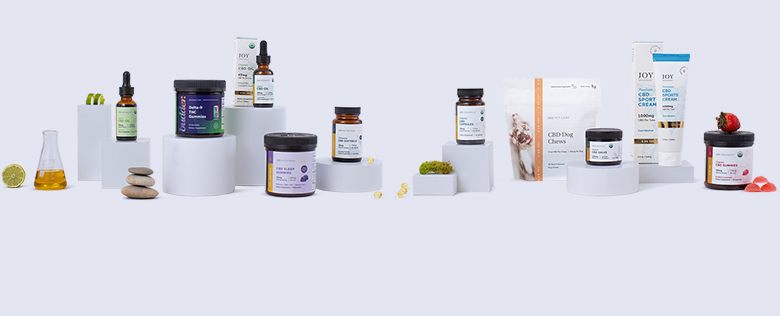
| CBD for Pets |
$34.95 | BFCM2025 | Shop Now |
| CBD Topicals |
$49.95 | BFCM2025 | Shop Now |
| Organic CBD Tinctures |
$59.95 | BFCM2025 | Shop Now |
| Shop Premium Organic CBD Gummies |
$39.95 | BFCM2025 | Shop Now |
| CBD Softgels & Capsules |
$39.95 | BFCM2025 | Shop Now |
CBD Softgels & Capsules
- Brand: Joy Organics
- Price: $39.95
- Coupon: BFCM2025
Shop Premium Organic CBD Gummies
- Brand: Joy Organics
- Price: $39.95
- Coupon: BFCM2025
Organic CBD Tinctures
- Brand: Joy Organics
- Price: $59.95
- Coupon: BFCM2025
CBD Topicals
Brand: Joy Organics
Price: $49.95
Coupon: BFCM2025
CBD for Pets
- Brand: Joy Organics
- Price: $34.95
- Coupon: BFCM2025
The Unspoken Truth: Can You Give Human CBD to Pets? (Safety Warning) An Honest Look
We all love our furry friends and want the best for them. With the rise in popularity of CBD for humans, it’s natural to wonder if it can also benefit our pets. But the question remains: Can you give human CBD to pets? (Safety Warning) This isn’t a simple yes or no answer. Let’s dive into the complexities and crucial safety considerations before you even *think* about sharing your CBD oil with Fido or Fluffy.
Table of Contents
- Product Comparison
- CBD Softgels & Capsules
- Shop Premium Organic CBD Gummies
- Organic CBD Tinctures
- CBD Topicals
- CBD for Pets
- Why the Curiosity About CBD for Pets?
- The Dangers of Human CBD for Pets: A Safety Warning
- What to Look for in Pet-Specific CBD Products
- Consult Your Veterinarian
- Myths About CBD for Pets
- Frequently Asked Questions
Why the Curiosity About CBD for Pets?
The hype around CBD is real. Many humans use it for its potential calming effects, pain relief, and overall wellness boost. It’s understandable to want to extend these potential benefits to our pets, especially if they’re struggling with anxiety, arthritis, or other ailments. But here’s the kicker: pets aren’t small humans. Their physiology is different, and what’s safe for us isn’t always safe for them.
The Dangers of Human CBD for Pets: A Safety Warning
- Dosage Differences: Pets require much smaller doses of CBD than humans. Giving them human-sized doses can lead to over-sedation, incoordination, and even toxicity.
- Ingredient Concerns: Human CBD products often contain ingredients that are harmful to pets. Xylitol, an artificial sweetener common in human edibles, is extremely toxic to dogs. Certain essential oils, flavorings, and other additives can also be dangerous.
- Lack of Regulation: The pet CBD market is still relatively unregulated. While this is also true for human CBD, pet-specific products are *generally* formulated with pet safety in mind. Human CBD may not have the same safety considerations.
- Hidden THC: Many human CBD products contain trace amounts of THC (tetrahydrocannabinol), the psychoactive compound in cannabis. Even small amounts of THC can be toxic to pets.
What to Look for in Pet-Specific CBD Products
If you’re considering CBD for your pet, opt for products specifically formulated for animals. Look for these key features:
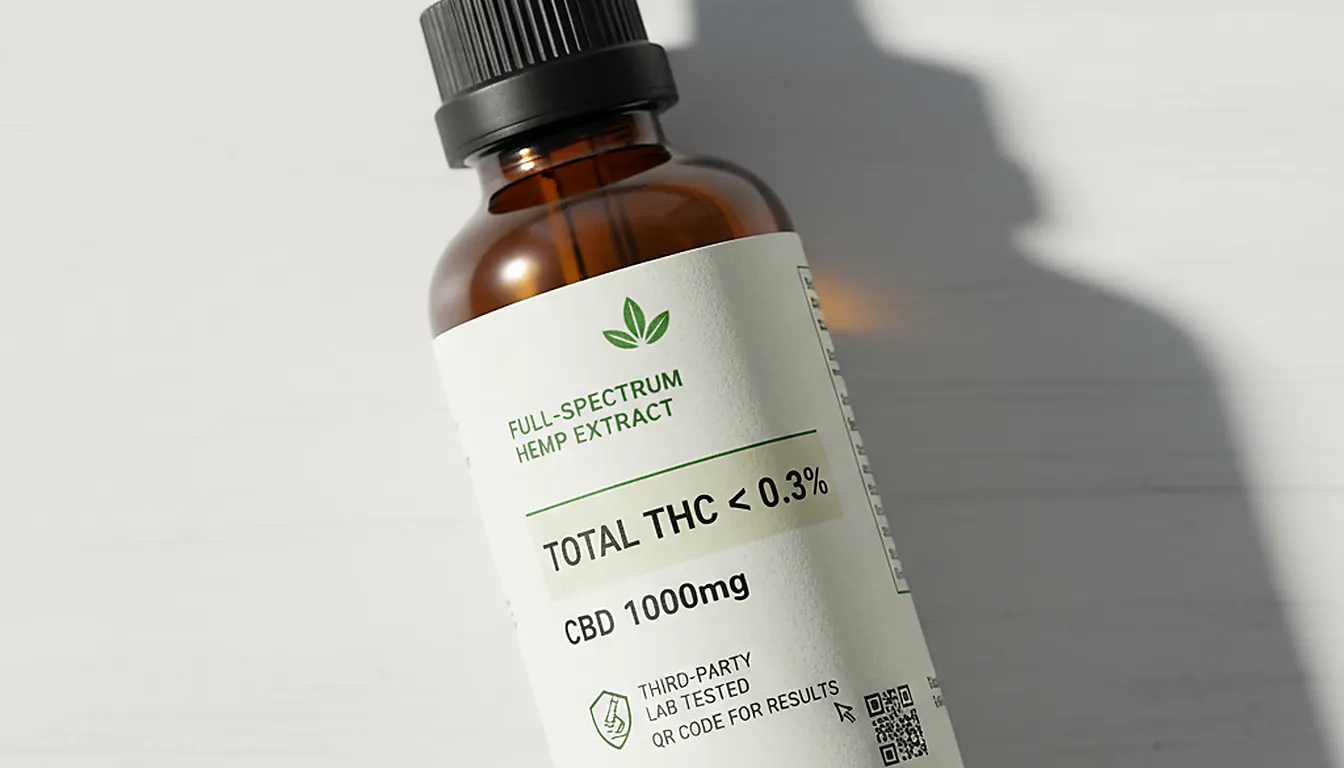
Third-Party Testing: Reputable pet CBD brands will have their products tested by independent labs to verify CBD content and ensure they’re free of harmful contaminants like heavy metals, pesticides, and THC. Always ask for a Certificate of Analysis (COA).
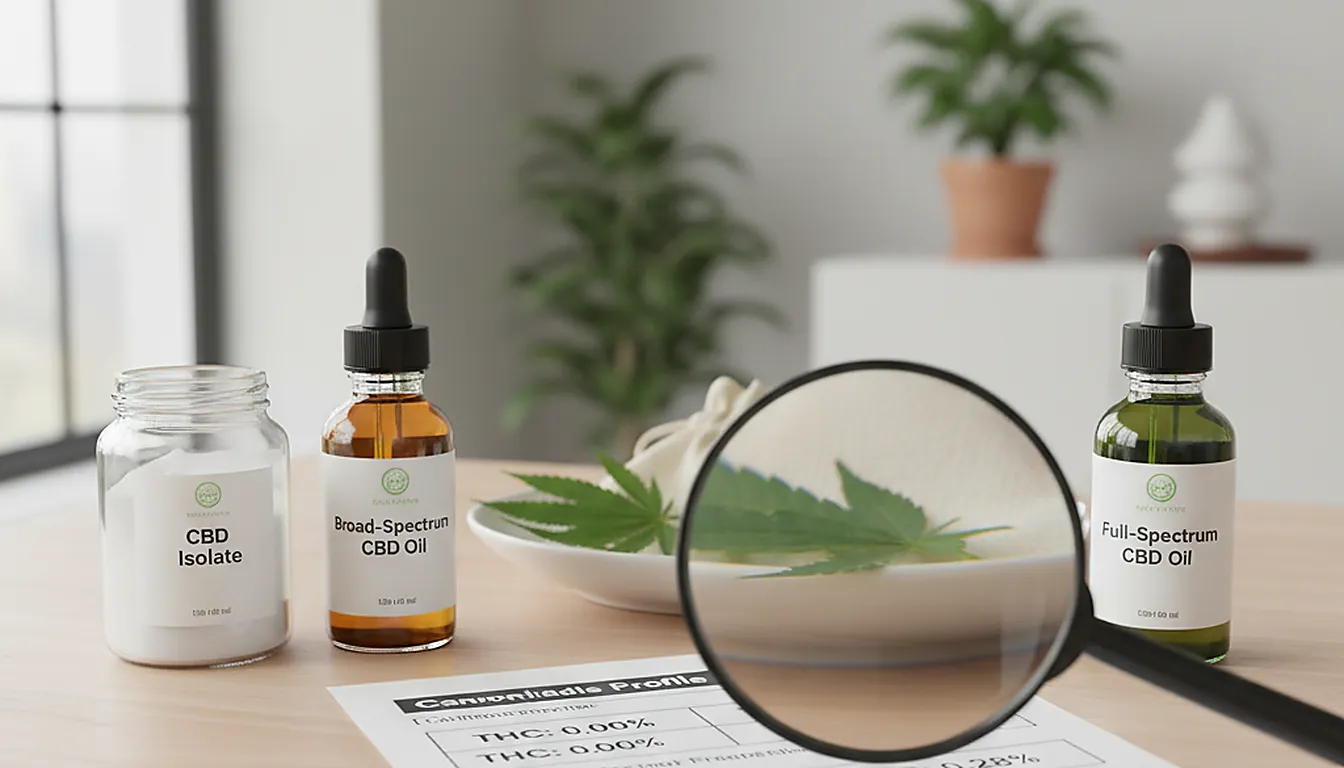
THC-Free: Choose broad-spectrum or CBD isolate products to eliminate the risk of THC toxicity.
Pet-Friendly Ingredients: The ingredient list should be free of xylitol, artificial sweeteners, and other potentially harmful additives.
Clear Dosage Guidelines: Pet CBD products should come with clear instructions on how much to give based on your pet’s weight and condition.
Reputable Brand: Research the brand thoroughly. Look for customer reviews, transparency about sourcing and manufacturing processes, and a commitment to quality.
Consult Your Veterinarian
Before giving your pet any CBD product, it’s crucial to consult with your veterinarian. They can assess your pet’s overall health, consider any existing medical conditions or medications, and help you determine if CBD is appropriate and what dosage is safe.
Myths About CBD for Pets
- Myth: CBD is a cure-all for all pet ailments. Reality: CBD may help with certain conditions, but it’s not a miracle cure. It’s essential to manage your expectations and consult with a veterinarian for appropriate treatment plans.
- Myth: All CBD products are the same. Reality: The quality and safety of CBD products can vary significantly. Always choose reputable brands with third-party testing.
- Myth: More CBD is always better. Reality: Giving your pet too much CBD can lead to adverse effects. Start with a low dose and gradually increase as needed, under the guidance of your veterinarian.
Frequently Asked Questions
What are the signs of CBD overdose in pets?
Signs of CBD overdose in pets can include lethargy, excessive drooling, vomiting, diarrhea, incoordination, and tremors. Contact your veterinarian immediately if you suspect your pet has overdosed on CBD.
Is CBD legal for pets?
The legal status of CBD for pets is complex and varies by state. Federal law generally allows the sale of hemp-derived CBD products with less than 0.3% THC. However, some states have specific regulations regarding CBD for animals. Consult with your veterinarian and local authorities for the most up-to-date information.
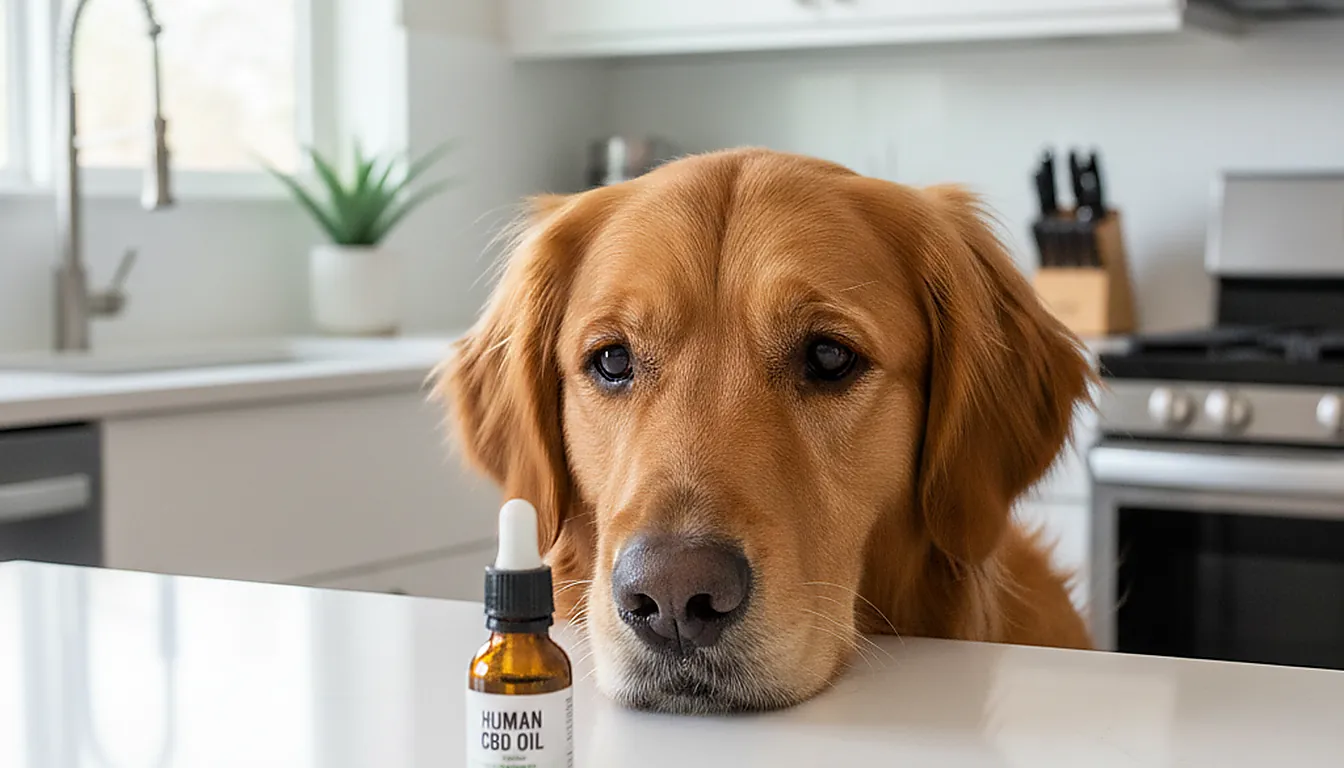
This small shift made a visible difference.
Can CBD interact with other medications my pet is taking?
Yes, CBD can potentially interact with certain medications. It’s crucial to inform your veterinarian about all medications your pet is taking before starting CBD to avoid any adverse interactions.
How should I store CBD products for pets?
Store CBD products for pets in a cool, dry place away from direct sunlight and out of reach of children and pets. Follow the specific storage instructions on the product label.
What is the best way to administer CBD to my pet?
The best way to administer CBD to your pet depends on the product type and your pet’s preferences. CBD oil can be added to food or given directly by mouth. CBD treats are a convenient option for some pets. Follow the dosage instructions on the product label and consult with your veterinarian if you have any questions.
The Verdict
While the idea of giving human CBD to pets may seem tempting, it’s generally not recommended due to potential safety risks. Always choose pet-specific CBD products from reputable brands and consult with your veterinarian before starting any CBD regimen for your furry friend. Your pet’s health and safety are paramount, and making informed decisions is essential.
Frequently Asked Questions
What are the signs of CBD overdose in pets?
Signs of CBD overdose in pets can include lethargy, excessive drooling, vomiting, diarrhea, incoordination, and tremors. Contact your veterinarian immediately if you suspect your pet has overdosed on CBD.
Is CBD legal for pets?
The legal status of CBD for pets is complex and varies by state. Federal law generally allows the sale of hemp-derived CBD products with less than 0.3% THC. However, some states have specific regulations regarding CBD for animals. Consult with your veterinarian and local authorities for the most up-to-date information.
Can CBD interact with other medications my pet is taking?
Yes, CBD can potentially interact with certain medications. It’s crucial to inform your veterinarian about all medications your pet is taking before starting CBD to avoid any adverse interactions.
How should I store CBD products for pets?
Store CBD products for pets in a cool, dry place away from direct sunlight and out of reach of children and pets. Follow the specific storage instructions on the product label.
What is the best way to administer CBD to my pet?
The best way to administer CBD to your pet depends on the product type and your pet’s preferences. CBD oil can be added to food or given directly by mouth. CBD treats are a convenient option for some pets. Follow the dosage instructions on the product label and consult with your veterinarian if you have any questions.