
Product Comparison
| Product | Price | Coupon | Learn More |
|---|---|---|---|
 PURE CBD GUMMIES PURE CBD GUMMIES |
34.99 | TIONS | Shop Now |
 CBD SLEEP GUMMIES CBD SLEEP GUMMIES |
34.99 | TIONS | Shop Now |
| CBD ENERGY GUMMIES |
34.99 | TIONS | Shop Now |
CBD ENERGY GUMMIES
- Brand: CBD For Life
- Price: 34.99
- Coupon: TIONS
CBD SLEEP GUMMIES
- Brand: CBD For Life
- Price: 34.99
- Coupon: TIONS
PURE CBD GUMMIES
- Brand: CBD For Life
- Price: 34.99
- Coupon: TIONS
Why Cheap CBD Is Usually a Bad Idea: An Honest Review and Guide (2025)
The CBD market is booming, and with that comes a flood of options – from high-end brands to suspiciously cheap alternatives. It’s tempting to save a few bucks, but when it comes to your health and wellness, cutting corners on CBD can be a recipe for disappointment, or worse.
Table of Contents
- Product Comparison
- CBD ENERGY GUMMIES
- CBD SLEEP GUMMIES
- PURE CBD GUMMIES
- The Allure of a Bargain: Why We’re Drawn to Cheap CBD
- The Dark Side of Discount CBD: What You Need to Know
- 1. Questionable Quality and Sourcing
- 2. Inaccurate CBD Content
- 3. Potential Contaminants
- 4. Lack of Transparency
- What to Look For in Quality CBD
- Is There Ever a Time to Buy Cheap CBD?
The Allure of a Bargain: Why We’re Drawn to Cheap CBD
Let’s be honest, who doesn’t love a good deal? When faced with a shelf full of CBD products at vastly different prices, the cheaper option can be incredibly appealing. Maybe you’re new to CBD and hesitant to invest a lot of money upfront. Or perhaps you’re a seasoned user looking to save some cash. Whatever the reason, the allure of cheap CBD is understandable.
The Dark Side of Discount CBD: What You Need to Know
Unfortunately, the saying “you get what you pay for” often rings true in the CBD world. Here’s why cheap CBD is usually a bad idea:
1. Questionable Quality and Sourcing
Cheap CBD often comes from sources with lax quality control. This can mean:
- Low-Quality Hemp: The hemp plant itself might be grown using pesticides, herbicides, or other harmful chemicals.
- Unreliable Extraction Methods: Cheaper extraction methods, like solvent extraction (using butane or propane), can leave harmful residues in the final product if not done properly. CO2 extraction is generally considered the gold standard but is more expensive.
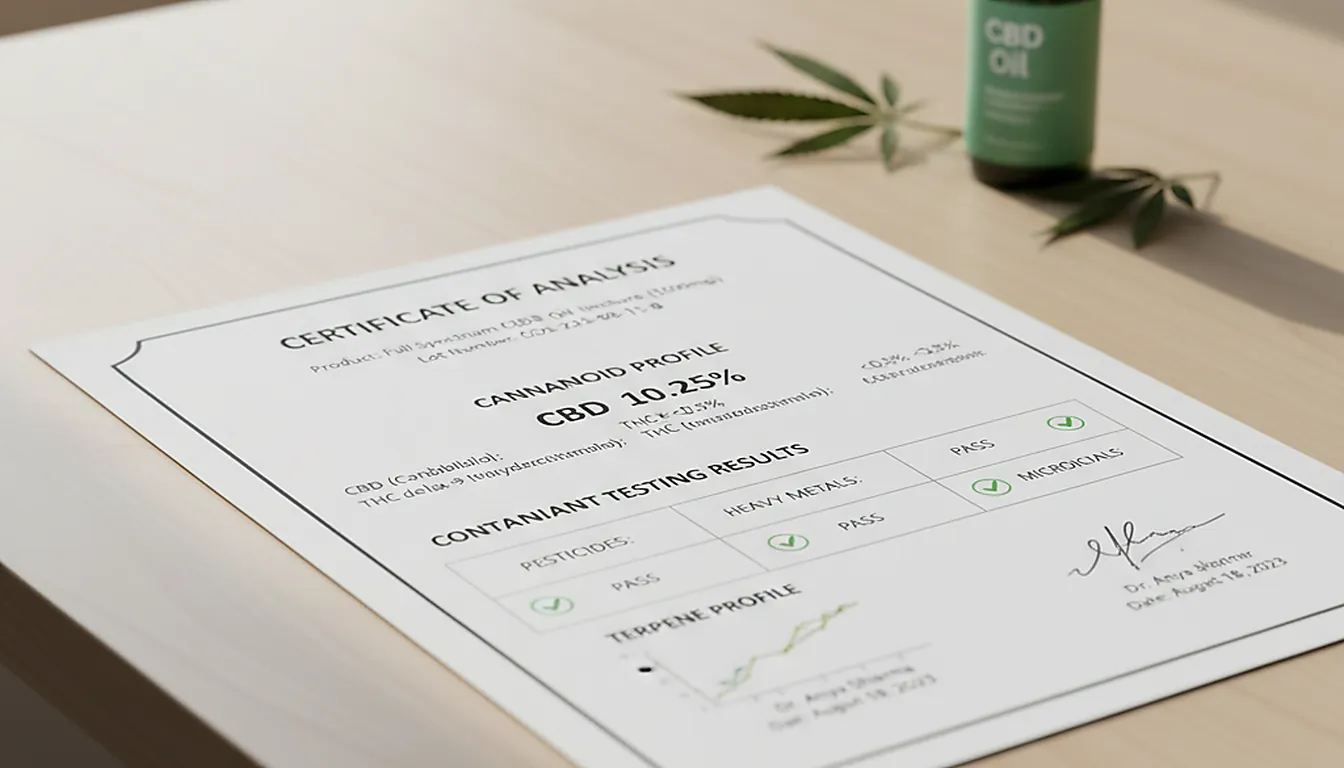
- Lack of Third-Party Testing: Reputable CBD brands will always provide third-party lab reports (Certificates of Analysis or COAs) verifying the product’s CBD content and purity. Cheap CBD often skips this crucial step, leaving you in the dark about what you’re actually consuming.
2. Inaccurate CBD Content
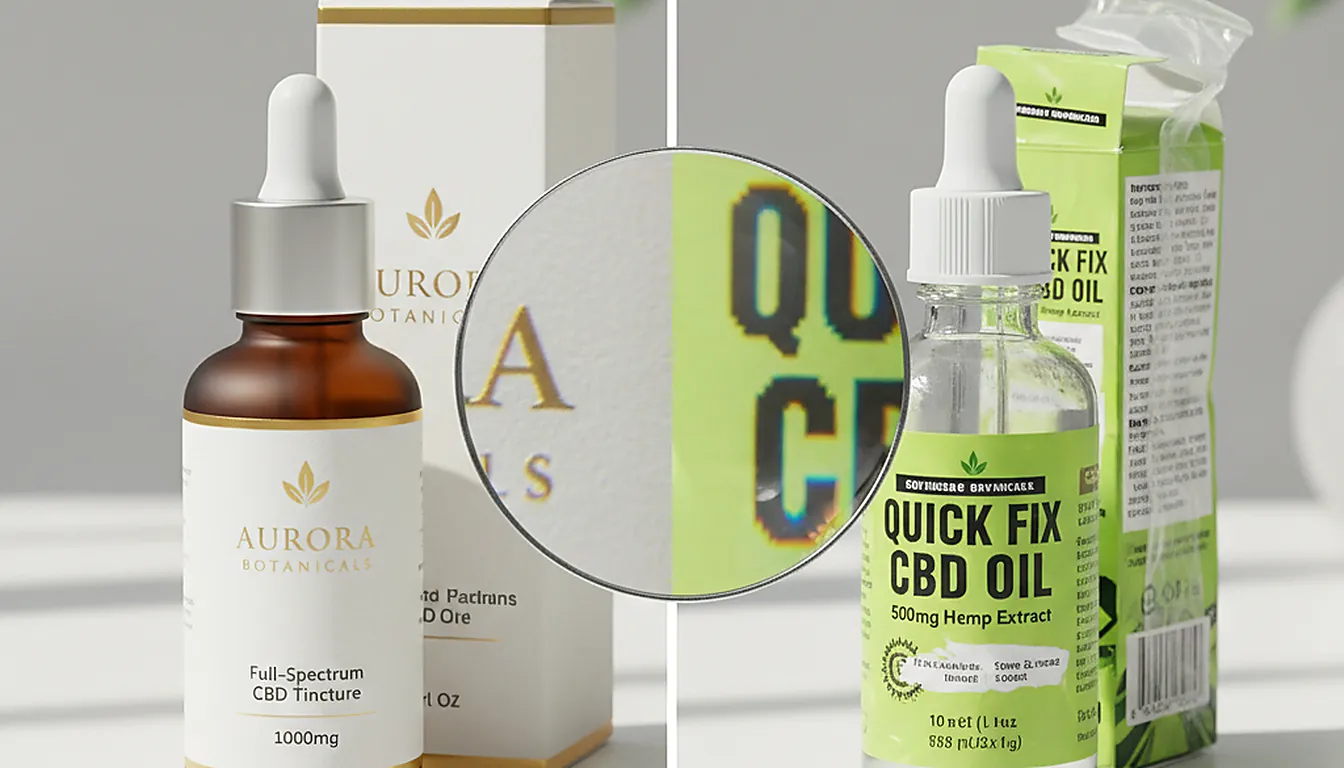
One of the biggest problems with cheap CBD is that the label might not accurately reflect the actual CBD content. Studies have shown that many cheap CBD products contain significantly less CBD than advertised, or even none at all! You’re essentially paying for a placebo.
3. Potential Contaminants
Without proper testing, cheap CBD could contain harmful contaminants like:
- Heavy Metals: Lead, mercury, and arsenic can be present in hemp plants grown in contaminated soil.
- Pesticides and Herbicides: As mentioned earlier, these chemicals can be used during hemp cultivation if regulations aren’t followed.
- Solvents: Improper extraction can leave residual solvents in the final product.
- Mold and Bacteria: Poor storage and handling can lead to mold and bacterial growth.
4. Lack of Transparency
Reputable CBD brands are transparent about their sourcing, manufacturing processes, and testing procedures. Cheap CBD companies often lack this transparency, making it difficult to verify the product’s safety and quality.
What to Look For in Quality CBD
Here are some key indicators of a high-quality CBD product:
- Third-Party Lab Testing (COAs): Always look for products with readily available COAs from an independent lab. These reports should verify the CBD content and test for contaminants.
- Source of Hemp: Opt for CBD made from organically grown hemp sourced from reputable farms in the US or Europe.
- Extraction Method: CO2 extraction is generally preferred.
- Company Reputation: Research the brand and read customer reviews.
- Clear Labeling: The label should clearly state the CBD content, ingredients, and dosage instructions.
Is There Ever a Time to Buy Cheap CBD?
Honestly, it’s rarely worth the risk. While a higher price tag doesn’t automatically guarantee quality, it’s generally a good indicator. It’s better to invest in a smaller amount of high-quality CBD than to waste your money on a large quantity of a potentially harmful product.
If you’re like me, you’ll appreciate this detail.
The Bottom Line: Your Health Is Worth the Investment
When it comes to CBD, your health is not the place to cut corners. Cheap CBD often comes with significant risks, including inaccurate CBD content, potential contaminants, and a lack of transparency. By prioritizing quality, transparency, and third-party testing, you can ensure that you’re getting a safe and effective CBD product that will actually benefit your well-being.
FAQ About CBD Quality
What are COAs and why are they important?
COAs, or Certificates of Analysis, are reports from independent labs that verify the CBD content and purity of a product. They confirm the product matches the label and is free from contaminants.
How can I tell if a CBD brand is reputable?
Look for brands that are transparent about their sourcing, manufacturing, and testing processes. Read customer reviews and check for any warning letters from the FDA.
Is organic CBD always better?
While not a guarantee of quality, organic certification ensures that the hemp was grown without synthetic pesticides or herbicides, which is a plus.
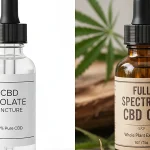
What’s the difference between full-spectrum, broad-spectrum, and CBD isolate?
Full-spectrum CBD contains all the naturally occurring compounds in the hemp plant, including trace amounts of THC (less than 0.3%). Broad-spectrum CBD contains most of these compounds but has the THC removed. CBD isolate is pure CBD with no other compounds.
Where should I buy CBD?
Purchase directly from the manufacturer, or from a reputable retailer that carries established brands.
Is price the only indicator of quality?
No, but extremely low prices are a major red flag. Research the brand, read reviews, and review the COA before buying.
Related Posts You’ll Probably Like
Frequently Asked Questions
What are COAs and why are they important?
COAs, or Certificates of Analysis, are reports from independent labs that verify the CBD content and purity of a product. They confirm the product matches the label and is free from contaminants.
How can I tell if a CBD brand is reputable?
Look for brands that are transparent about their sourcing, manufacturing, and testing processes. Read customer reviews and check for any warning letters from the FDA.
Is organic CBD always better?
While not a guarantee of quality, organic certification ensures that the hemp was grown without synthetic pesticides or herbicides, which is a plus.
What’s the difference between full-spectrum, broad-spectrum, and CBD isolate?
Full-spectrum CBD contains all the naturally occurring compounds in the hemp plant, including trace amounts of THC (less than 0.3%). Broad-spectrum CBD contains most of these compounds but has the THC removed. CBD isolate is pure CBD with no other compounds.